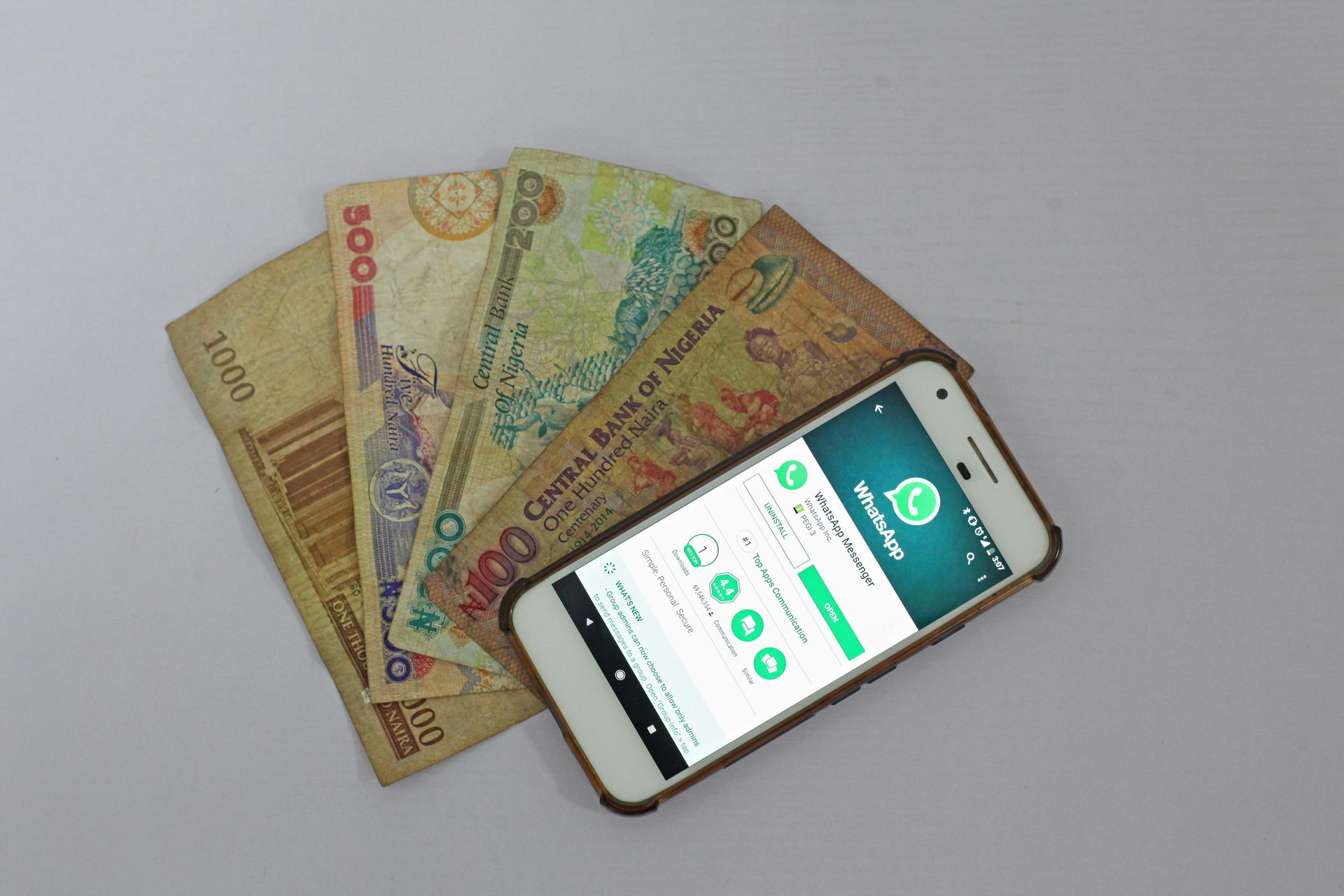
The Remittance App Wars: How LemFi, NALA, and Seven Rivals Are Cutting the Cost of Sending Money Home
A new generation of African-founded remittance apps is processing billions of dollars monthly and slashing fees by up to 70 percent compared to traditional banks, reshaping how diaspora communities in the UK, US, and Can
Grace Kamau in Minneapolis sends $300 to Nairobi every month. In 2023, that transfer cost her $23.40 through her bank — a 7.8 percent bite that added up to $280.80 annually. In 2026, she uses NALA, pays $6, and the money arrives in her mother's M-Pesa wallet in three minutes.
Multiply Grace's savings across millions of diaspora households, and you glimpse the infrastructure shift remaking African remittances. Africans abroad sent $56 billion to Sub-Saharan Africa in 2024, money that feeds families, pays school fees, and builds businesses across the continent. For decades, Western Union, MoneyGram, and traditional banks extracted 8–12 percent in fees and hidden FX spreads. A new cohort of African-founded apps — LemFi, NALA, Sendwave, Afriex, MonieWorld, YouSend, and Eversend — has built a counter-infrastructure that moves money faster, cheaper, and with full pricing transparency.
The World Bank reports that sending $200 to Sub-Saharan Africa still costs an average of 8.46 percent, the highest of any region globally. But for digital transfers through fintech apps, costs have dropped to around 5 percent, and the best apps push below 2 percent on high-volume corridors.
LemFi: $1 billion monthly and zero fees on key routes
LemFi, the Nigerian fintech co-founded by Ridwan Olalere and Rian Cochran, now handles more than $1 billion in monthly payment volume, according to disclosures made during its $53 million Series B announcement in January 2025. The company reported processing over $2 billion in total transactions in 2023. The Series B was the largest publicly announced fintech raise out of Nigeria in the first half of 2025, signaling that investors still see room in the remittance market even in a cautious funding cycle.
LemFi's model is direct: zero transfer fees on many corridors, with the FX margin compressed to 1.5–2.5 percent above the mid-market rate. The app targets Nigerian, Ghanaian, and Kenyan diaspora communities in the UK, US, and Canada. Settlement to local bank accounts and mobile wallets completes in minutes, not days. The company operates simultaneously across North America, Europe, Africa, Asia, and Latin America, with Nigeria remaining its largest receiving market.
NALA expands beyond remittances with Rafiki B2B platform
Benjamin Fernandes started NALA in Tanzania, built trust in East Africa, then expanded into Kenya, Uganda, Nigeria, and Ghana. The company now operates in 11 African countries and recently expanded into the Philippines and Pakistan. NALA positions its pricing at 50–70 percent below traditional bank transfer fees. Transfers complete within minutes to mobile money or bank accounts, with exact exchange rates and fees displayed upfront.
Beyond consumer remittances, NALA is building Rafiki, a business-to-business payment platform that functions as infrastructure for other businesses. Early users include TransferGo, a UK-based fintech that uses Rafiki for Africa payouts. Investor backing from DST Global Partners, which backed WhatsApp and Spotify, signals that sophisticated investors see clear growth potential in African payment infrastructure, not just consumer apps.
NALA has raised $50.2 million in private funding, according to Tracxn's Kenya startup data. The company's pivot into B2B infrastructure reflects a broader trend: the convergence of diaspora apps with payment rails that other fintechs can use.
Sendwave, MonieWorld, YouSend, and the expanding field
Sendwave, part of the US-based fintech group Zepz, has become a dominant force in the African remittance space, particularly for diaspora communities seeking fast, affordable transfers to Kenya, Ghana, Nigeria, Uganda, and Tanzania. The platform has benefited from regulatory environments in Nigeria and Kenya that increasingly favor licensed digital financial services providers. Analysts project Africa's formal remittance inflows will exceed $70 billion by 2026, and Sendwave's diaspora-centric model positions it as one of the most influential players.
MonieWorld is the international remittance platform of Moniepoint, the Nigerian fintech founded by Tosin Eniolorunda and Felix Ike. Led by CEO Ravi Jakhodia, it targets Nigerian diaspora users in the UK sending money to Nigerian bank accounts and digital wallets.
YouSend, co-founded by Adeoye Ojo, formally launched in the UK and Canada in June 2026 after processing over $1 million in transfers during its pilot phase. The app focuses on transparent pricing and wallet-to-wallet speed for users sending money to Nigeria and Ghana.
Afriex uses stablecoins to power cross-border transfers while keeping the user experience simple. The company raised $10 million in Series A in 2022, led by Sequoia Capital China and Dragonfly Capital. Blockchain rails enable faster settlement and lower FX costs, though regulatory uncertainty in Nigeria remains a constraint.
What this means for diaspora families
The real difference sits in what recipients can do with the money when it arrives. If your mother in Kisumu lives on M-Pesa, an app that only pays bank accounts solves the wrong problem. NALA, Sendwave, LemFi, and Eversend all pay mobile money wallets with just a phone number, in about a minute.
The cost of a transfer is the fee plus the margin hidden in the exchange rate, and the margin is usually the bigger number. Users are learning to compare what the recipient actually gets, not just what the app advertises on its homepage.
Kenya received a record $5.04 billion in remittance inflows in 2025, up 2 percent year-on-year, with the US, UK, and UAE as top corridors. Nigeria received nearly half of Sub-Saharan Africa's $54 billion in annual remittance inflows. For families on both ends of those corridors, the app wars have already delivered measurable savings. The next phase is interoperability: whether these platforms connect to each other and to domestic payment rails like Kenya's PesaLink and Nigeria's instant payment systems, or whether each remains a walled garden.
What comes next
Three things will define the next 18 months. First, whether Nigeria's Central Bank permits regulated stablecoin settlement for business payments, which would unlock explosive growth on Nigeria-Kenya and Nigeria-Ghana corridors. Second, whether Kenya, Uganda, and Tanzania see meaningful transaction volumes through PAPSS, the Pan-African Payment and Settlement System, or whether it remains a headline announcement without commercial traction. Third, whether the convergence of consumer apps with B2B payment infrastructure — NALA's Rafiki is the clearest example — creates a new layer of African-owned payment rails that reduce reliance on SWIFT and correspondent banking.
For now, the diaspora is voting with their phones. Apps that deliver speed, transparency, and mobile-money payouts are gaining share. Apps that hide fees in exchange-rate spreads or delay payouts are losing users to competitors one frustrated transfer at a time.