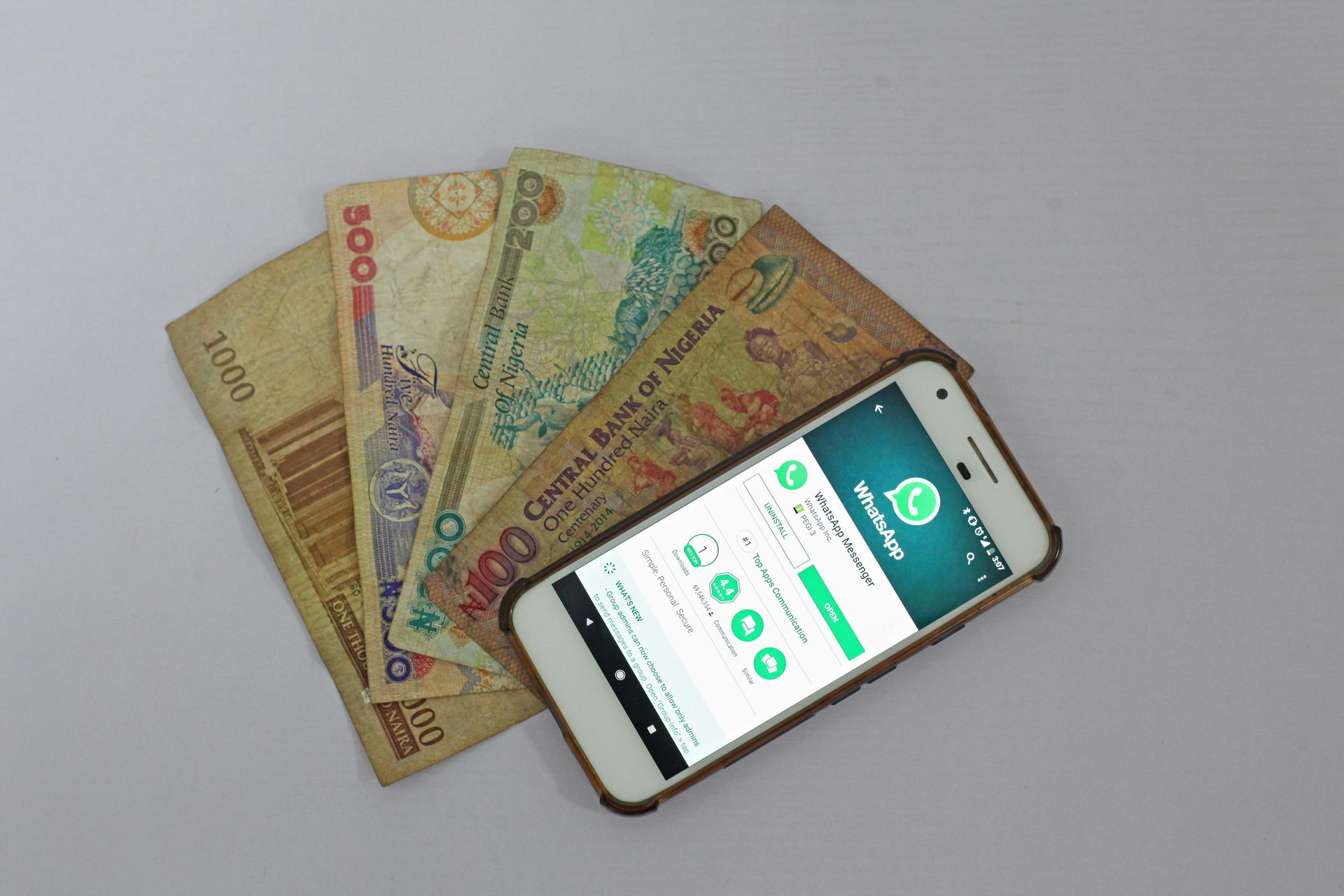
The Price of Staying Connected: How Kenya's Finance Bill Taxes the Phones and M-Pesa That Bind the Diaspora to Home
As MPs retreat to finalise the Finance Bill 2026, a 25% phone tax and fresh VAT on mobile money threaten the digital threads that link Kenyans abroad to families back home.
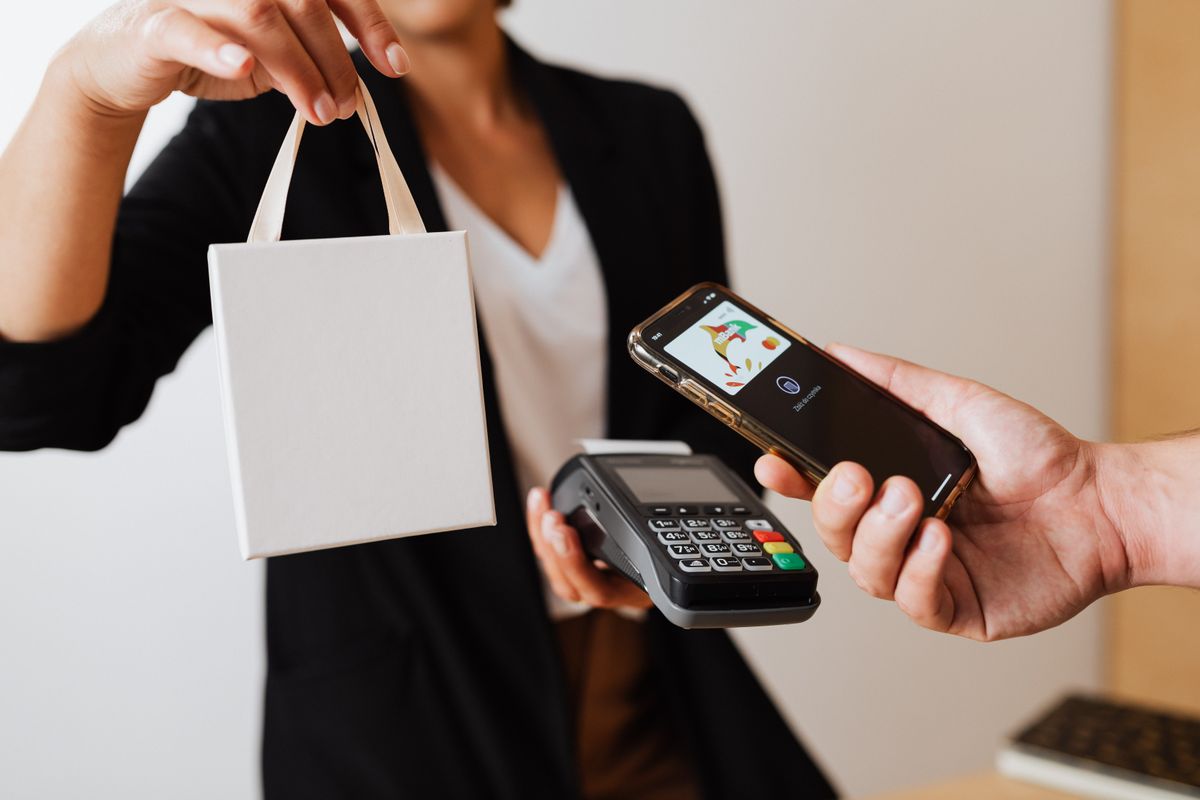
On a Sunday evening in Lowell, Massachusetts, Mercy Wanjiru opens the green M-Pesa screen the way other people open a family photo album. A few taps move money from her American wages into her mother's phone in Murang'a — school fees for a niece, a contribution to a funeral, a little extra because the maize harvest was thin. The transfer costs her a fee she has long since stopped reading. It is the price, she says, of being a daughter from six thousand miles away.
That fee is about to come up for debate in a committee room in Nairobi, and the outcome will be felt in living rooms like hers across four continents. As Kenya's lawmakers retreat to write the final report on the Finance Bill 2026, two proposals sit at the centre of the argument: a sweeping new tax on the mobile phones Kenyans carry, and an extension of value-added tax to the very mobile-money transfers that carry the diaspora's love home in shillings.
A bill enters its decisive phase
The Finance Bill 2026 was published in late April and is scheduled to take effect on 1 July, the start of Kenya's fiscal year. After weeks of public hearings and submissions from industry, the National Assembly's Departmental Committee on Finance and National Planning, chaired by Molo MP Kuria Kimani, has concluded its stakeholder engagements and withdrawn to draft the report it will table before the House. That report, expected in the coming days, will recommend which proposals survive, which are amended, and which are dropped before MPs vote.
For a diaspora that watches Kenyan politics from a distance but pays for it directly, the committee stage is where the real decisions are made. It is here that the broad ambitions of a Treasury budget meet the narrow arithmetic of what a household can actually afford. And this year, two of the most contested clauses touch the everyday technology that holds transnational families together.
The 25 percent that lands at activation
The most talked-about measure is a proposed 25 percent excise duty on mobile phones. Under the bill, the charge would be calculated as a quarter of the excisable value and, unusually, would fall due at the moment a phone is activated rather than at the point of import or sale. The drafting amends the Excise Duty Act so that the liability of an importer or licensed manufacturer crystallises when the handset first comes to life on a network.
Treasury Cabinet Secretary John Mbadi has defended the figure as a simplification rather than a fresh raid on consumers. By his account, the various levies already stacked on a phone — the import declaration fee, the railway development levy, VAT and customs duty — add up to roughly 55 percent of value, and the new structure folds them into a single 25 percent excise. "When you combine all the taxes together," he told Kenyans, the headline number actually falls.
Critics are unconvinced that the maths will reach the shop floor. Analysts warn that a 25 percent activation tax could raise retail prices in one of Africa's most connected economies and slow the adoption of smartphones among the very people — students, hustlers, first-time users — for whom a handset is the on-ramp to the digital economy. For the diaspora, the clause has a particular sting: many send phones home to parents and children, or buy devices on trips back, and an activation-based charge follows the handset wherever it is switched on.
When the lifeline itself is taxed
If the phone tax is the louder fight, the quieter one may matter more to the diaspora. Clause 31 of the bill proposes extending VAT, at 16 percent, to the transaction fees charged by payment service providers such as M-Pesa and Airtel Money. That levy would sit on top of the existing 15 percent excise duty already applied to mobile-money charges.
Telecommunications firms, appearing before the finance committee, pressed lawmakers to delete the clause, arguing that payments delivered over software platforms should keep the same VAT exemption that traditional banking channels enjoy. Safaricom told the committee that a simulation of the combined measures showed transaction fees rising by roughly 18 percent. One widely cited analysis put the cumulative effect more starkly, estimating that the effective tax burden carried by Kenya's mobile-money users — more than fifty million of them — could climb from about 15 percent toward 33 percent once both layers are counted.
For Kenyans abroad, mobile money is not a convenience but the channel itself. A large share of the funds the diaspora wires home eventually lands in an M-Pesa wallet, often after passing through a remittance app that settles directly into the recipient's phone. Tax the fee at every step, and the cost of sending small, frequent sums — the rhythm of real family support — rises fastest for those who can least absorb it.
A pattern the diaspora has seen before
There is history here, and it is not reassuring. When Kenya raised levies on mobile money in past budget cycles, studies found that transfers to lower-income households fell, as senders consolidated or delayed payments to dodge the charges. The people squeezed were rarely the wealthy; they were the rural relatives who depend on a few thousand shillings arriving on time.
The timing compounds the pressure. Diaspora remittances crossed a record five billion dollars last year, a slight rise on the previous year and, by most measures, the single most reliable source of foreign exchange flowing into Kenya — larger and steadier than tea, tourism or coffee. Yet that lifeline is already being taxed at both ends. Since the start of this year, the United States, the largest single source of money sent to Kenya, has applied a one percent excise on funds sent abroad. A new domestic VAT on mobile-money fees would mean the same shilling is shaved on departure and again on arrival.
What the diaspora is watching for
None of this is settled. The committee can still recommend striking or softening either clause, and MPs have, in recent years, retreated from unpopular tax measures under public pressure before a final vote. The phone tax has already been described as a reincarnation of a levy dropped in 2024, and the mobile-money clause faces organised opposition from an industry that frames it as a threat to Kenya's standing as the continent's fintech pioneer.
For Mercy Wanjiru in Lowell, the politics are abstract but the consequence is not. If the fees rise, she will not stop sending money — the obligations of family do not bend to a budget line. She will simply send a little less, a little less often, and feel the distance grow by a few shillings each time. That is the human ledger behind the Finance Bill 2026: a measure written in the language of excise duties and VAT clauses, read most carefully by the people who keep Kenya connected from the outside in.