From Remittances to Robotics: How a Virginia Campus Became the Meeting Point for Kenya's AI Ambitions
When Kenyan technologists gather near Washington this month, the agenda is no longer money transfers but venture capital, machine learning and who builds Kenya's digital future.
For two decades, the story of Kenya's diaspora and technology was told in the language of money. A nurse in Maryland or an engineer in Dallas earned dollars, and a slice of those dollars travelled home each month by phone and app, propping up families and, in aggregate, the shilling itself. Later this month, a gathering on a university campus in Arlington, Virginia, will try to change the subject. The currency it wants to move across the Atlantic is not cash but code.
From 24 to 26 June, Marymount University will host the Kenya–USA Tech Forum and its Diaspora Innovation and AI Conference, a three-day attempt to connect Kenyan-American technologists with the country's fast-growing digital economy. The pitch is deliberately ambitious: that the most valuable thing the diaspora can now export back to Kenya is not remittances but expertise, networks and the kind of risk capital that turns a prototype into a company.
A different kind of homecoming
The diaspora has always sent more than money, but the channels for sending skill have been informal and easily lost. A machine-learning specialist at a Silicon Valley firm might mentor a cousin's startup over weekend calls; a cloud architect in Texas might quietly advise a Nairobi fintech. What the Arlington gathering proposes is to formalise that scattered generosity into something structured, with a clear theme of cross-border technology transfer at its centre.
Organisers describe a programme aimed at diaspora engineers, machine-learning specialists and cloud-computing experts, paired with innovators based in Kenya. The emphasis falls on intellectual capital and technical depth rather than the familiar appeals for charitable giving. It is a reframing of the diaspora's role, from benefactor to builder, and from sender of funds to source of the harder-to-replace ingredients of a technology ecosystem.
The agenda behind the acronyms
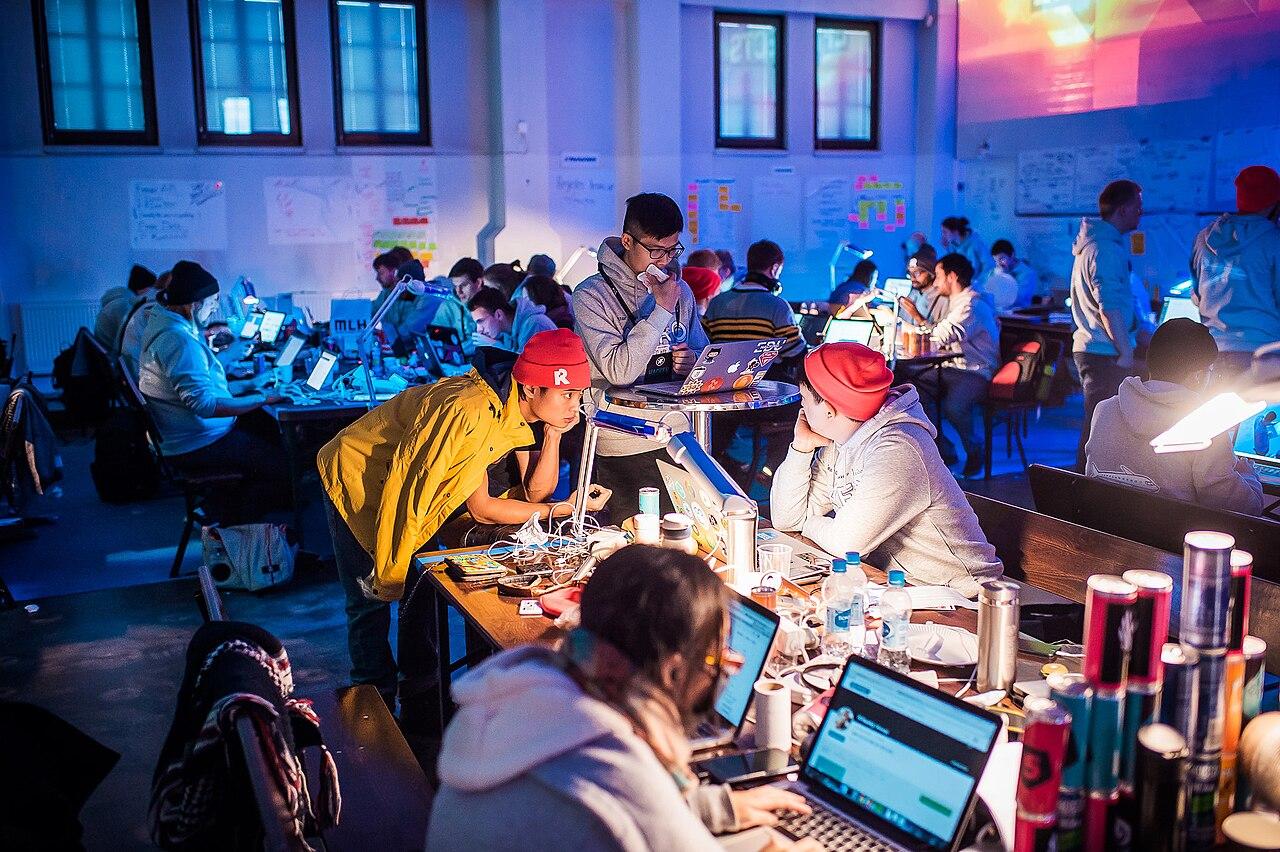
The conference programme reads like a map of where African technology conversations have moved. Keynote addresses and panel discussions sit alongside fireside chats, a hackathon and curated networking sessions, the now-standard furniture of innovation events. But the guest list hints at the real ambition: diaspora professionals, artificial-intelligence and STEM experts, entrepreneurs, startup investors, policymakers, researchers and students, gathered in one room.
That mix matters because Kenya's technology promise has often stalled in the gap between talent and capital. The country produces capable engineers and a steady stream of startups, yet many founders struggle to find investors who understand both the local market and the global standards their products must meet. A diaspora that straddles both worlds is, in theory, perfectly placed to close that gap, vouching for founders to American investors and translating Nairobi's realities for funders who have never visited.
Why now, and why Washington
The timing is not accidental. Artificial intelligence has scrambled the global technology hierarchy, and governments everywhere are scrambling to position themselves. Kenya, long branded the Silicon Savannah for its mobile-money pedigree, faces a choice between being a consumer of imported AI tools and a place where some of those tools are designed and trained. The diaspora conversation is increasingly about which of those futures the country will get.
Holding the event near the American capital is its own statement. Washington is where immigration policy, development funding and big-technology lobbying intersect, and where a Kenyan-American professional class has built real institutional weight. By convening there rather than in Nairobi, the organisers signal that the diaspora intends to engage from a position of strength, as partners with leverage rather than supplicants seeking favours.
The promise and its limits
It would be easy to oversell a single conference. Networking events generate optimism and business cards in roughly equal measure, and the distance between a panel discussion and a funded company is long. Kenya's structural challenges, from unreliable power in parts of the country to a regulatory environment that startups often find unpredictable, will not be solved by three days in Virginia. Diaspora enthusiasm has, in the past, run ahead of follow-through. Past pledges to channel diaspora capital into Kenyan ventures have sometimes faded once the applause died down, and participants will arrive in Arlington aware that goodwill is far cheaper than committed funding, and far easier to give.
There is also the delicate question of brain circulation versus brain drain. Encouraging the most skilled Kenyan-Americans to invest their time and capital in Kenya is healthy; encouraging Kenya's own scarce engineers to leave for the host countries that fund these conversations is not. The most useful version of this gathering is one that builds two-way bridges, sending opportunity home rather than simply drawing more talent away from it.
A wallet, reimagined
Still, the shift the conference represents is worth taking seriously. For years, the diaspora's economic identity was fixed by a single number: the billions in remittances counted each year by the central bank. That number remains vital, projected to keep climbing in 2026. But it has also flattened a far richer reality, in which Kenyans abroad are engineers, founders, investors and researchers, not merely senders of money.
If the Arlington meeting achieves even part of its aim, it will help retire the idea that the diaspora's contribution can be measured at the cashier's window. The Kenyan abroad who once wired money home may now wire something more durable: a line of credit to a founder, a stint mentoring a team, a seat on a young company's board. Whether this month's gathering becomes a turning point or merely a pleasant weekend will be measured not in June, but in the startups that trace their first real break to a conversation that began on a campus outside Washington.


