The Tax on the Wire Home: How Kenya's Mobile-Money VAT Reaches the Diaspora Who Send Through M-Pesa
A single clause in the Finance Bill 2026 would push the effective tax on M-Pesa transfers toward 33 percent, quietly raising the cost of every shilling a Kenyan abroad sends home.
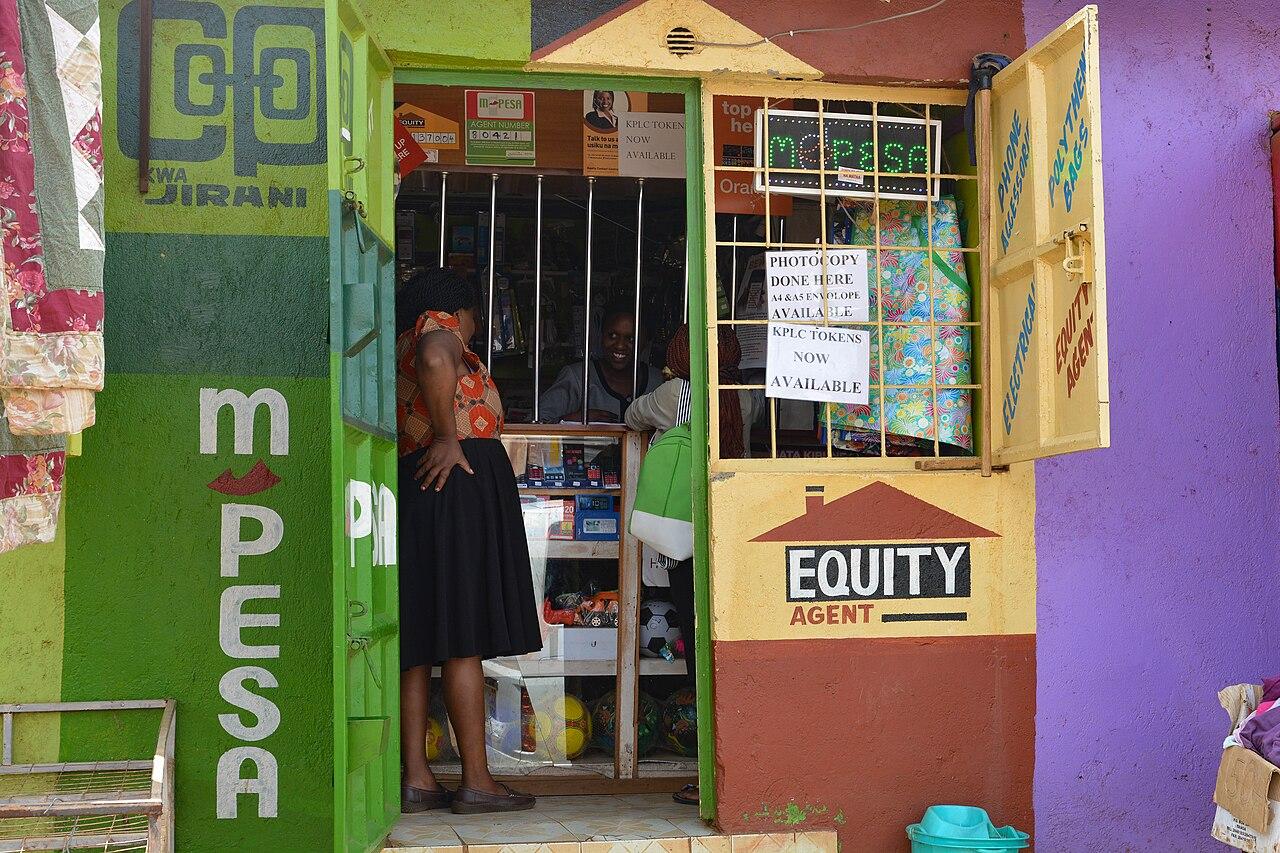
Somewhere in the Gulf this week, a Kenyan worker finishes a shift, opens M-Pesa on a cracked phone screen, and sends a few thousand shillings to a mother in Nyeri or a brother sitting his exams in Kakamega. The act takes nine seconds. It is the quietest, most ordinary thing in the diaspora's week — and it is the thing a clause buried in Kenya's new tax law is about to make more expensive.
The Finance Bill 2026, in Parliament since early May and due to take effect on July 1, carries a proposal that has set Kenya's fintech sector on edge. Clause 31(b)(i) would extend value-added tax to the fees charged by payment service providers — the M-Pesas and Airtel Moneys that move money for tens of millions of people. For a service the diaspora treats as a lifeline, the question is no longer whether sending money home is fast. It is how much of each transfer the taxman now keeps.
What Clause 31(b)(i) Actually Does
Today, an M-Pesa transfer attracts a 15 percent excise duty but is exempt from VAT. The bill would remove that exemption and apply VAT at 16 percent on top of the existing excise — pushing the effective tax burden on a transaction, by Safaricom's own arithmetic, from 15 percent to roughly 33.4 percent.
The numbers are small per transfer and large in aggregate. Safaricom told MPs that a customer sending KES 5,000 today pays a base service fee of about KES 49.57, for a total near KES 5,057. Under the new clause, the same transfer would cost KES 66.12 — an extra KES 16.55 in taxes layered onto a single send. That is an 18 percent jump in the cost of the transaction itself. The proposed VAT would apply not only to person-to-person transfers but to agent withdrawal charges, where higher transaction bands could see fees climb by double digits in absolute terms.
It matters because of scale. Kenya counts more than 51 million registered mobile money users, and M-Pesa alone moved KES 41.7 trillion in its last financial year. A few extra shillings on each of billions of transactions is not a rounding error. It is a national line item.
Why the Diaspora Feels This First
For Kenyans abroad, this is not an abstract domestic tax debate. Remittances are Kenya's single largest source of foreign exchange — more than tea, more than tourism — and a substantial share of that money arrives through mobile money and the fintech rails that plug into it. When a daughter in Manchester tops up her father's M-Pesa, or a nurse in the Gulf settles a hospital bill in Nairobi from her phone, the transfer often lands as mobile money on the Kenyan end.
That is precisely the channel the bill touches. The diaspora does not vote on the Finance Bill and rarely features in the public-participation hearings, yet it underwrites the very flows the tax would sit on. A levy framed as a domestic consumption measure quietly reaches across oceans to the people sending money in.
History gives reason for concern. Economists who have studied Kenya's earlier rounds of mobile money taxation found that when the cost of transacting rises, the heaviest losses fall on lower-income households — exactly the families that depend on small, frequent transfers from a relative abroad rather than large bank wires. Raise the friction, and some of that money either shrinks, moves to cash, or stops flowing through the formal system altogether.
The Pushback in Parliament
Safaricom and other telcos have not gone quietly. Appearing before the National Assembly's Finance Committee, industry representatives called for Clause 31(b)(i) to be deleted, arguing that payment services delivered over software platforms should keep the same VAT exemption that traditional bank channels enjoy. Taxing a mobile transfer but not an equivalent bank transaction, they argued, punishes the digital inclusion Kenya spent two decades building.
The Treasury and the National Assembly have pushed back on some of the more alarming claims circulating online, clarifying that the VAT is intended to apply to provider service fees rather than to the full value of the money being moved. That distinction is real — no one is proposing to tax the KES 5,000 itself. But critics counter that the effect on a sender is the same either way: it costs more to move money than it did the day before, and the people most sensitive to that cost are the ones with the least to spare.
The committee's chair has said every view submitted during public participation will be weighed in the final report. Whether that translates into the clause being struck, softened, or kept is the open question of the next three weeks.
A Lesson Kenya Already Learned
Kenya has been here before. Mobile money grew into a global case study precisely because it was cheap, fast, and reachable from a basic handset — the reason M-Pesa now moves more than a billion dollars a day across Africa and became the model others copied. But its dominance is no longer absolute; Safaricom's share of the mobile money market has slipped from a peak near 97 percent to the high 80s as rivals and new rails compete.
Into that softening landscape, a higher tax on transacting is a gamble. Make the formal channel costlier and you risk nudging users toward cash, toward informal hawala-style networks, or toward whichever competitor absorbs the cost — none of which serve the government's stated goal of widening the tax base. For the diaspora, the worry is narrower and more personal: that the simple act of providing for family becomes one more thing the system skims.
What Happens Before July 1
The Finance Bill is now in the stretch where it is won or lost — committee report, debate, and a vote, all compressed into the weeks before the July 1 commencement date. For Kenyans watching from Atlanta, London, Doha, or Dubai, the practical advice is unglamorous: follow the committee report when it lands, because that is where Clause 31(b)(i) will either survive or disappear.
None of this changes the nine-second ritual at the heart of it. The diaspora will keep sending money home; that is not in doubt. What is in doubt is how much of each send reaches the person it was meant for — and whether a tax written for Nairobi's revenue targets ends up taxing, by a few shillings at a time, the distance between a Kenyan family and the relative working to hold it together.


