The Crowded Cathedral: Why the 2026 World Cup's Real Health Risk Isn't the One Africa Was Banned For
As travel bans punish African passengers over Ebola, public-health experts say the diseases most likely to move through World Cup crowds in North America are measles, flu and dengue — already at home in the host cities.
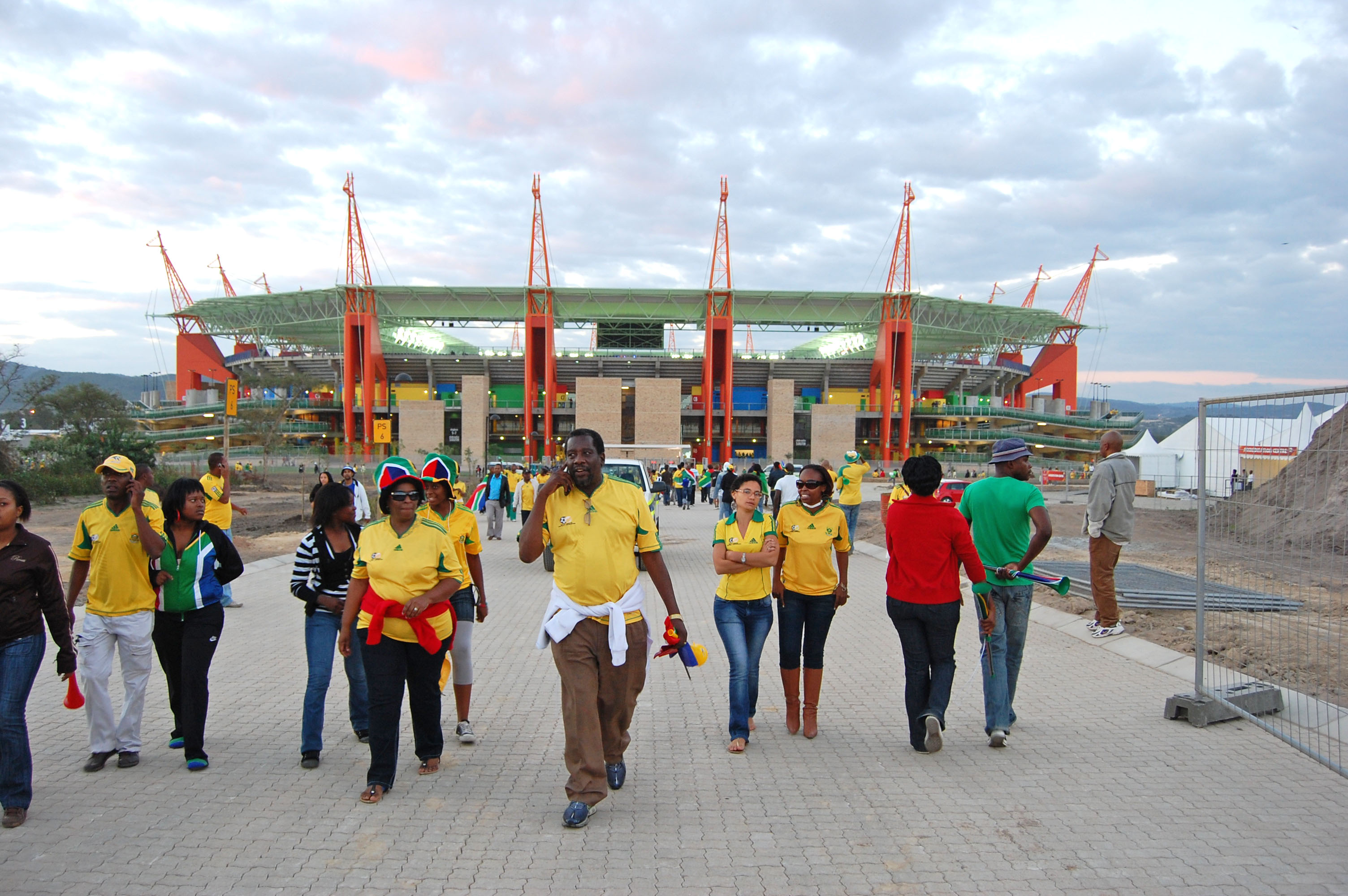
In a townhouse outside Dallas, a family has had the dates circled since the draw. A father who left Nyeri two decades ago, his American-born children, and four relatives flying in from Nairobi for a group-stage match: tickets bought, jerseys ordered, a cooler of nyama already promised for the tailgate. It is the kind of reunion the diaspora plans years in advance, the World Cup arriving for the first time on the continent where so many Kenyans now build their lives. What none of them is thinking about, as they refresh the weather forecast for the host city, is which viruses will be sitting in the seats around them.
Public-health researchers have spent the past week trying to change that. Writing in The Conversation, and echoed across outlets from CNBC to Kenya's Daily Nation, infectious-disease experts have laid out a blunt assessment of the 2026 tournament: spread across sixteen cities in the United States, Canada and Mexico over five weeks, with millions of fans funneling through airports, stadiums, hotels, bars and transit systems, it is, in epidemiological terms, close to a perfect machine for moving germs. The striking part of their warning is not the diseases they fear most. It is the ones they do not.
A continent banned for the wrong disease
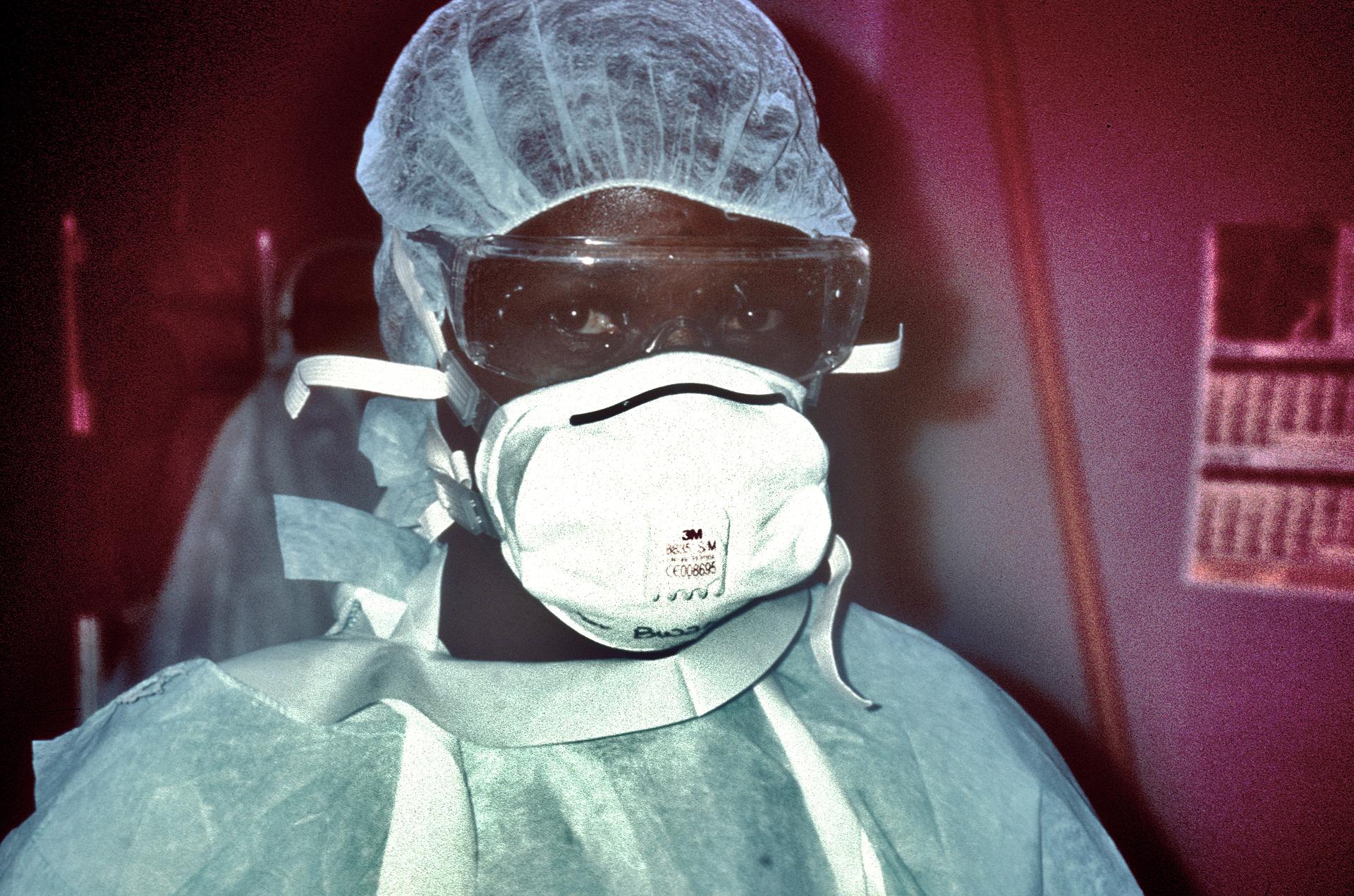
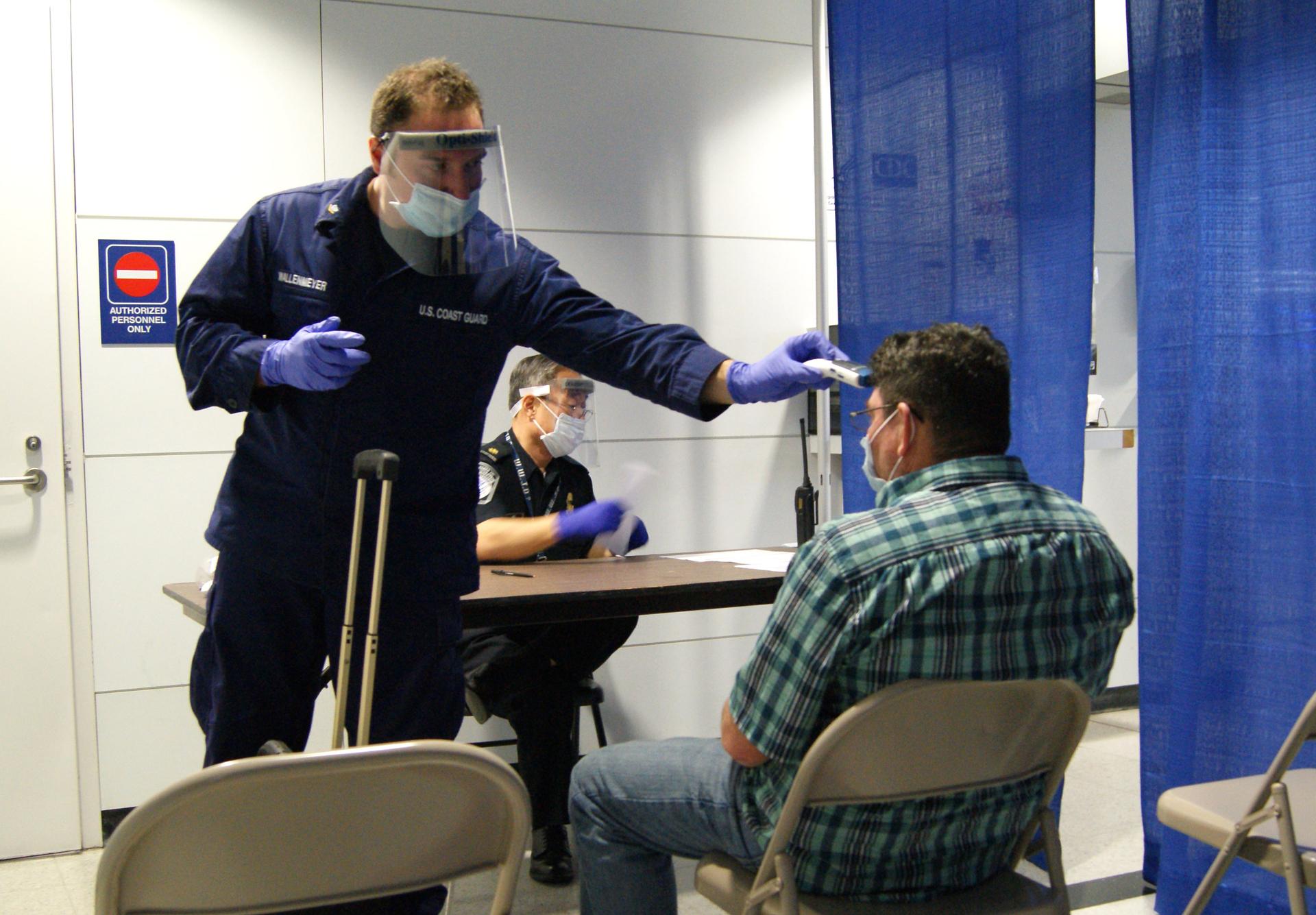
For weeks, the news reaching Kenyan diaspora inboxes has been about Ebola. An outbreak in the Democratic Republic of Congo and Uganda, declared a global health emergency by the World Health Organization in May, has prompted a cascade of travel restrictions, with the United States, Mexico and Canada all screening or barring recent travellers from affected countries, and other governments going further. For the family in Dallas, the practical effect has been anxiety at the boarding gate and longer questions at the desk simply for holding a Kenyan passport.
Yet the experts watching the World Cup are nearly unanimous that an Ebola case reaching a stadium is very unlikely. The virus is hard to catch, spreads only through direct contact with the bodily fluids of someone already visibly ill, and does not move quietly through a crowd of strangers. The diseases that do thrive in packed venues are far more ordinary, and far more likely to already be living in the host city than to arrive on a flight from Africa. It is an uncomfortable inversion for diaspora travellers who have spent the season treated as a risk to import, when the evidence points the other way.
Measles: the contagion the host country already has
At the top of the experts' list is measles, one of the most contagious diseases known, capable of lingering in the air of a room for up to two hours after an infected person has left. The reason has nothing to do with visitors. The United States has confirmed more than 2,000 measles cases in 2026 alone, close to the entire total for the previous year, in a surge driven by falling childhood immunization rates and growing vaccine hesitancy. A single infected traveller passing through Denver's airport in 2025 was enough to seed an outbreak of at least ten cases.
That detail reframes the whole conversation for the diaspora. A Kenyan child arriving from Nairobi is, in many cases, more reliably vaccinated against measles than some of the American children they will sit beside, because routine immunization coverage at home has not seen the same organized erosion. The advice the experts give is unglamorous and universal: confirm that everyone in the travelling party, hosts included, is up to date on the measles, mumps and rubella vaccine well before the first whistle.
The mosquito cities and the summer calendar
The second cluster of risk is written into the calendar. The tournament runs through the northern summer, which in southern host cities like Houston and Miami means peak mosquito season. Dengue, a painful mosquito-borne illness once treated as a purely tropical concern, set a record in the United States in 2024 with nearly 3,800 cases, a jump of more than 350 percent over the average of the previous fourteen years. Experts also name Oropouche, another mosquito-borne virus that tore across Latin America in the largest epidemic ever recorded, as one to watch.
For diaspora families hosting relatives, this is where local knowledge matters more than any border policy. Repellent, long sleeves at dusk, and emptying standing water around the home are the same defences a grandmother in Mombasa would recognise, now relevant in a Texas suburb. The viruses that worry doctors most at this World Cup are not exotic arrivals; they are conditions the host nations are already managing, amplified by heat, travel and a hundred thousand bodies in a bowl of concrete.
The respiratory season that never quite ends
Then there is the unremarkable trio that fills clinics every year: influenza, COVID-19 and the common cold. Respiratory viruses spread efficiently wherever people inhale the same air for hours, and a stadium roaring through stoppage time is exactly that. The 2025-2026 flu season reached a thirty-year high, and COVID-19 still drives hundreds of thousands of hospitalizations annually. Summer offers no real shield, the experts note; these viruses travel home in the lungs of fans who then scatter back across continents within days. Sexually transmitted infections, too, tend to rise around large gatherings, a quieter footnote in the same briefings.
None of this is a reason for the family outside Dallas to cancel. It is a reason to prepare the way they would for any crowded season: vaccines current, repellent packed, hand hygiene unglamorously maintained, and a clear sense of which symptoms warrant a clinic rather than a wait.
The quieter lesson the diaspora already knows
There is a deeper irony for Kenyans abroad in all of this. Many of the nurses, physicians and lab technicians who will absorb the inevitable surge of feverish fans in emergency rooms across the host cities are themselves part of the African diaspora, the same workforce that keeps American and British wards running through every ordinary winter. The community being eyed with suspicion at the border is, in many of these hospitals, the community holding the thermometer.
Disease, the epidemiologists keep pointing out, follows crowds and contact, not nationalities or passports. The 2026 World Cup will be a celebration of exactly the thing that makes diseases spread, humanity gathered, joyfully, in enormous numbers. The honest public-health message is not to fear the stranger from far away, but to take the boring precautions that protect everyone in the row. For the family with the circled dates, that is oddly reassuring. The risk was never them. It was simply the crowd, and crowds can be planned for.