The Twenty-One Day Shadow: How a Worsening Ebola Outbreak Is Quietly Closing Borders to Kenya's Travellers
As Israel, the United States and the Gulf tighten entry rules over a spreading Ebola epidemic, Kenyans abroad and the families they visit are caught in a 21-day net.
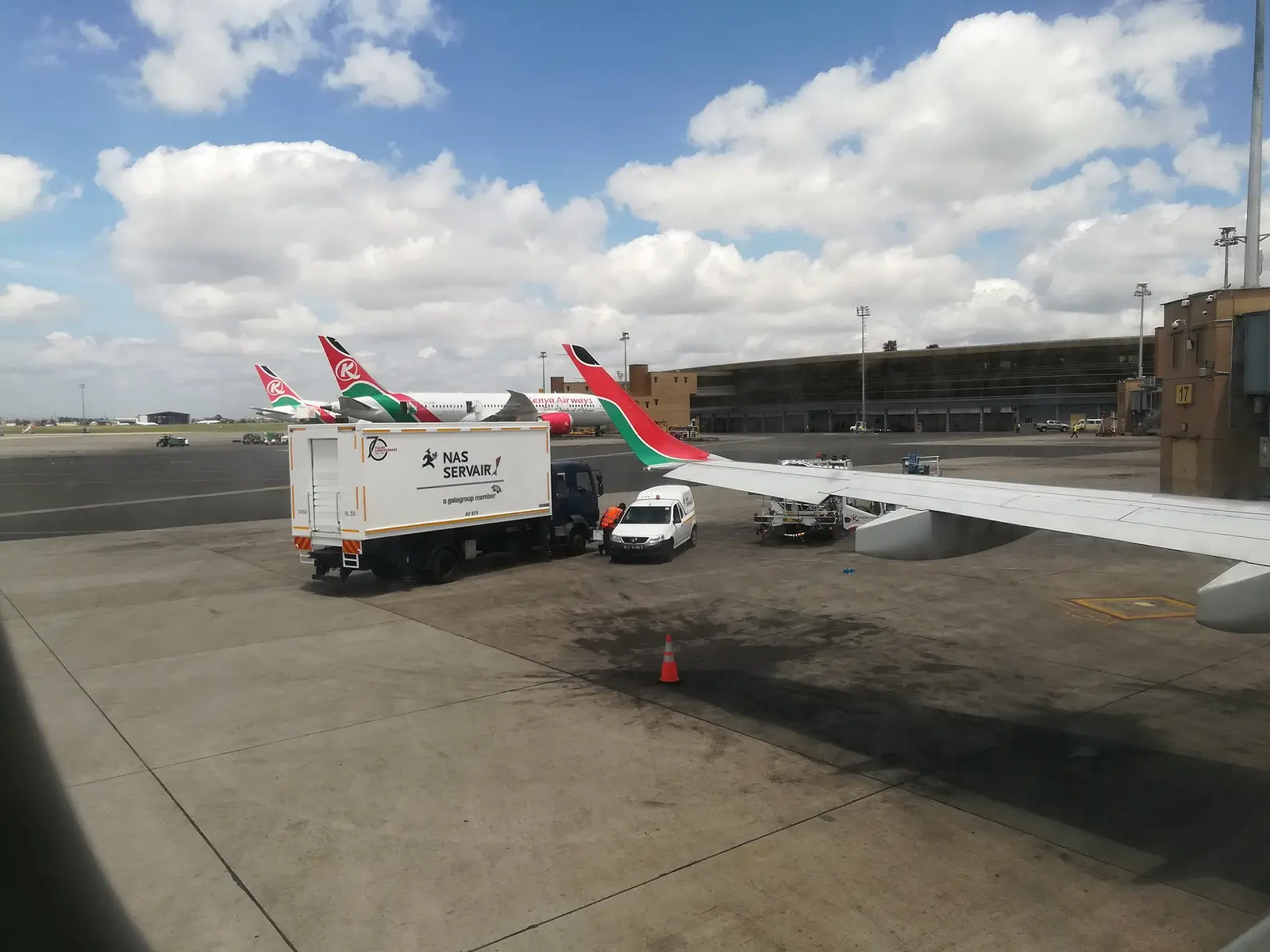
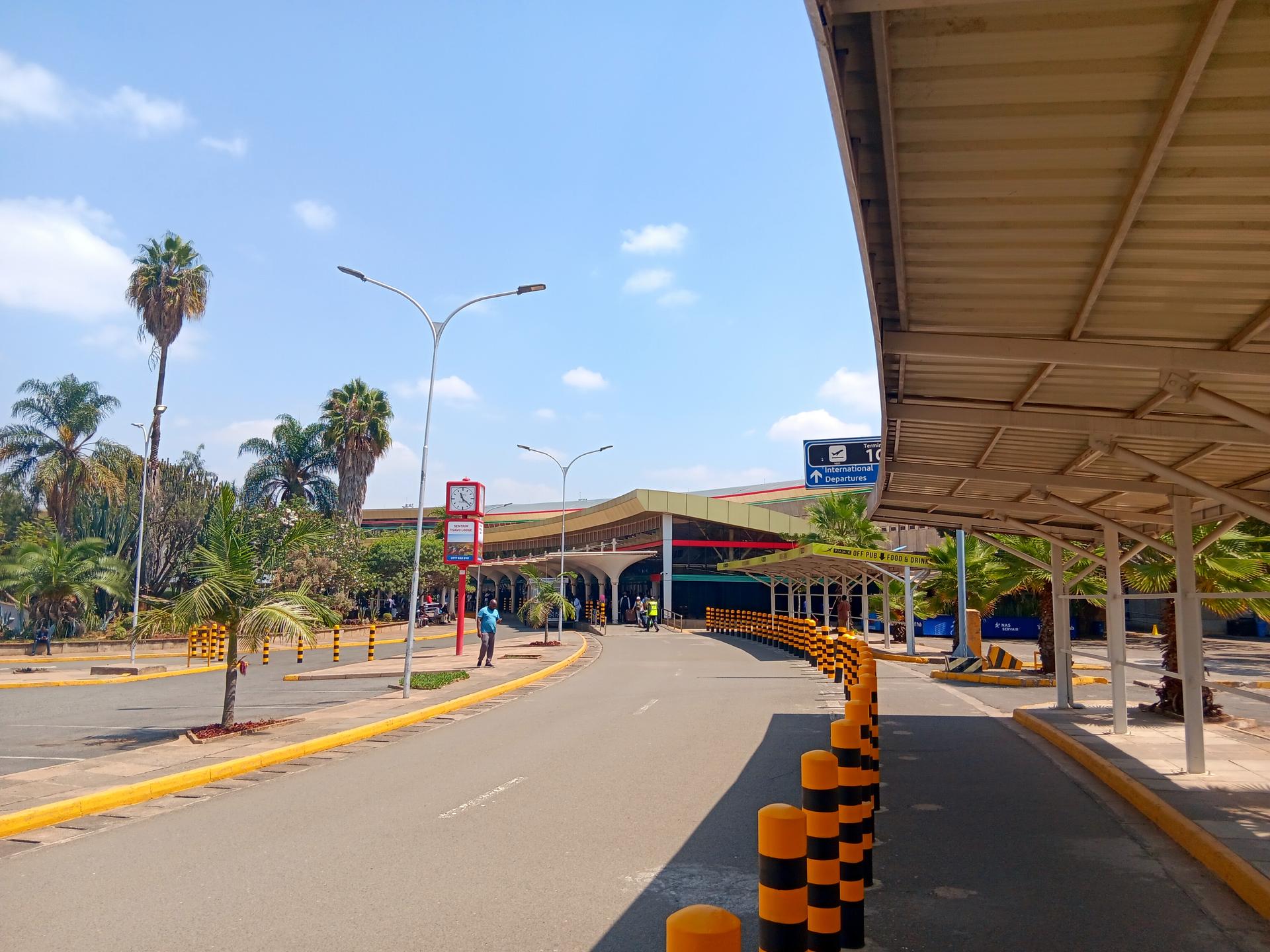
The departures hall at Jomo Kenyatta International Airport's Terminal 1A is, on most mornings, a place of ordinary motion: trolleys, goodbyes, the slow shuffle toward the check-in desks that feed Nairobi's long-haul flights to Europe, the Gulf and North America. This week, that motion has acquired a new pause. Before a boarding pass prints for certain destinations, an airline agent now has an extra question to resolve — not where a passenger is going, but where they have been in the last twenty-one days.
That twenty-one-day window, the incubation period doctors associate with Ebola, has become the invisible architecture of a tightening set of travel rules now reaching deep into the lives of Kenyans who move between home and the diaspora. A spreading 2026 Ebola epidemic in Central and East Africa has prompted a cascade of border measures from Israel, the United States and the Gulf — and Kenya, though not the centre of the outbreak, has been swept into the perimeter.
A Ban Measured in Days, Not Miles
On 10 June, Israel's Border Control Department issued a directive barring nationals of five African countries — Kenya, Uganda, Rwanda, South Sudan and the Democratic Republic of the Congo — from boarding flights to the country. The order, circulated to airlines operating Israel-bound routes, goes further than nationality alone: it also covers foreign travellers of any passport who have visited one of the five states within twenty-one days of their planned arrival.
Carriers were instructed to screen passengers before departure and to refuse boarding to anyone caught by the restriction. Israeli citizens and permanent residents are exempt, though returning nationals face health screening on arrival. "Your strict compliance with these directives and your cooperation are highly appreciated," officials told airlines in the notice. No end date was given; the policy, authorities said, would be reviewed as the situation develops.
For a Kenyan professional in Tel Aviv, a student holding a summer ticket home, or a caregiver in the diaspora hoping to reach a family funeral, the practical effect is the same: a plan that was routine a month ago now collides with a wall that did not exist.
The Dulles Funnel
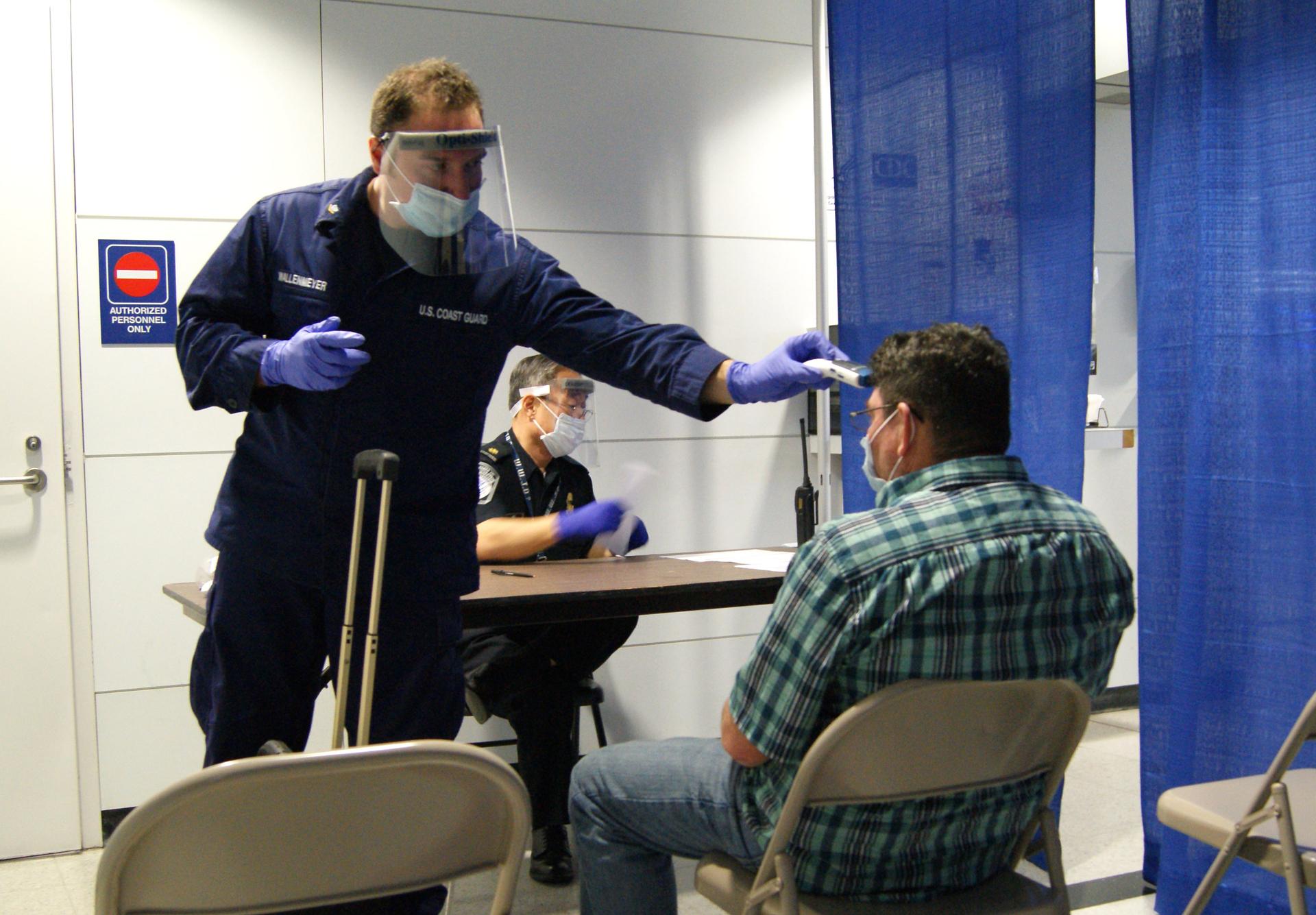
The Israeli measure did not appear in isolation. It follows comparable steps by the United States, where federal authorities have routed travellers with recent presence in the hardest-hit countries through a single point of entry. Under public-health arrival rules now in force, US citizens and lawful permanent residents who have been in the Democratic Republic of the Congo, Uganda or South Sudan within twenty-one days of arrival must enter the country only through Washington Dulles International Airport, where enhanced Ebola screening has been established.
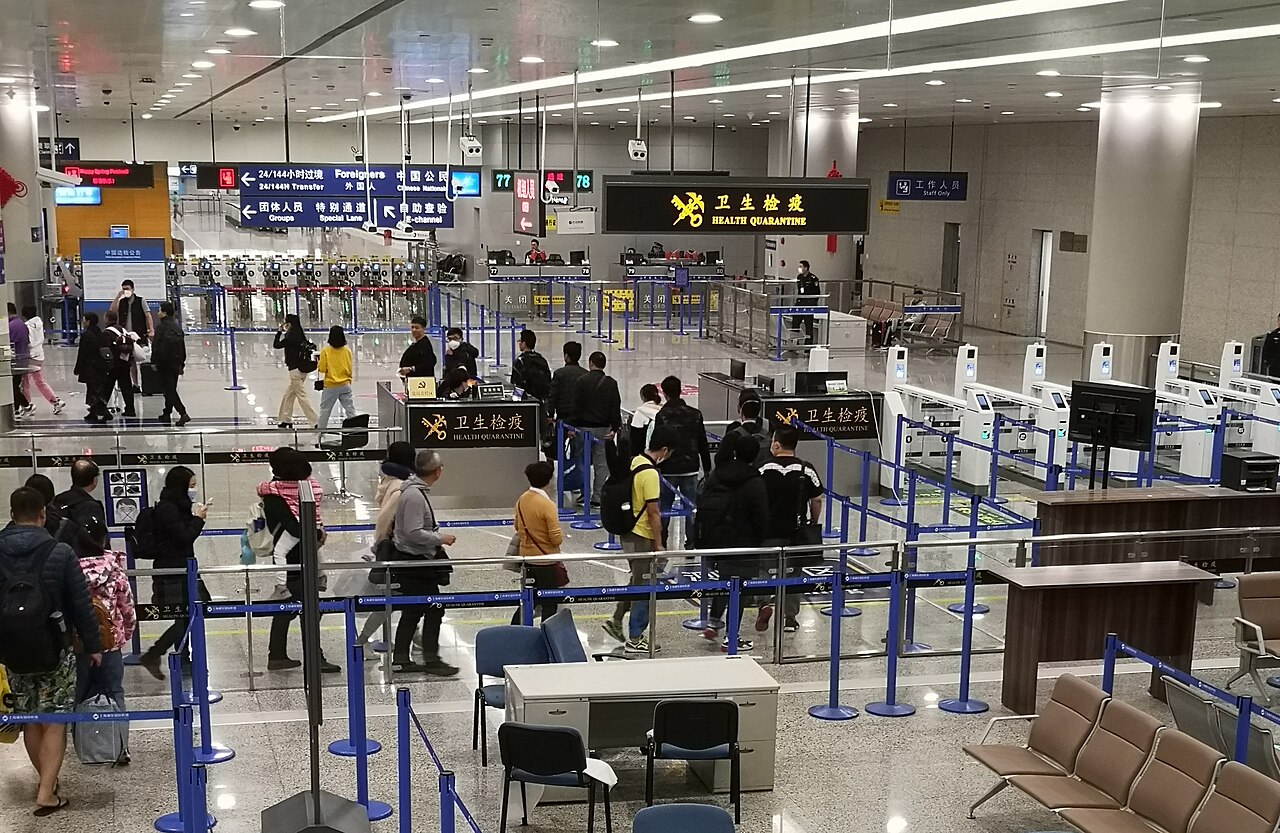
The United Arab Emirates, a major transit hub for Kenyan travellers heading west, has imposed restrictions of its own. Taken together, the measures rebuild a familiar pattern from earlier outbreaks: a layering of bans, funnels and screening checkpoints that rarely stop movement outright but reshape it — adding cost, delay and uncertainty at every connection.
The mechanics matter for Kenyans specifically because so much diaspora travel runs through exactly these corridors. A flight from Nairobi to a North American city often touches the Gulf or a European hub; a visit to relatives in Israel, the US or the Emirates now carries the risk that a recent trip home could trigger a denied boarding or a diverted route.
A Region on the Watch List
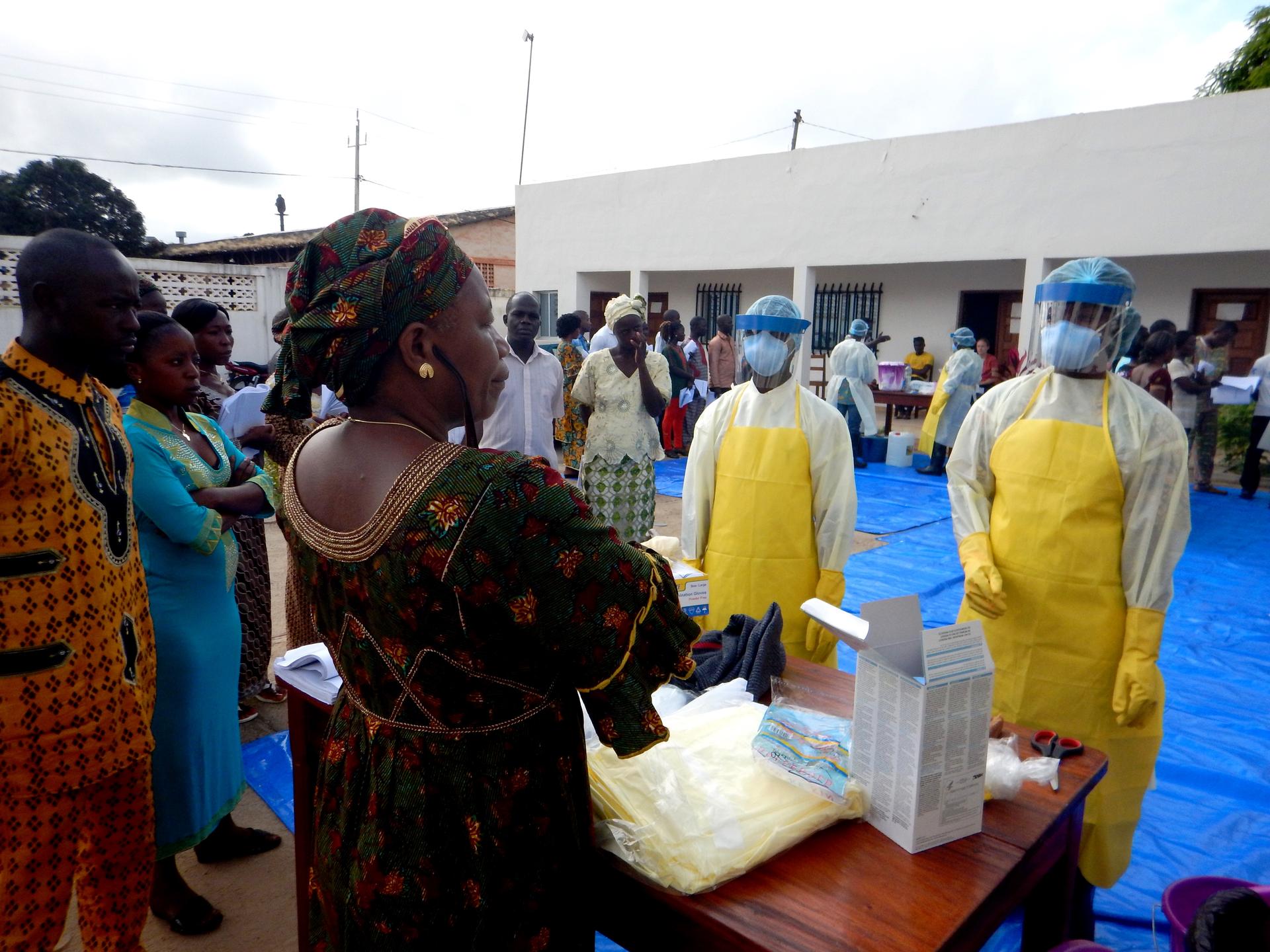
Kenya is not where the epidemic is burning hottest. The outbreak's centre lies in the Central African region, where health workers and scientists have been racing to test newer treatments against a virus that has been gaining ground. But Kenya's position as East Africa's busiest aviation hub places it squarely inside the radius of caution.
The continental health body, Africa CDC, has flagged Kenya among a group of additional countries it considers at elevated risk of importation, even though Kenyan authorities have so far reported no confirmed case; earlier suspected cases were investigated and returned negative results. That distinction — at risk, but not infected — is precisely the grey zone that blanket, nationality-based travel bans tend to flatten. To a screening officer abroad, a Kenyan passport now signals a region rather than a verified exposure.
The friction has already surfaced at home in other forms. Earlier in the outbreak, a proposal linked to a US-supported quarantine facility on Kenyan soil drew protest and a court challenge, underscoring how sensitive the politics of containment become when they intersect with sovereignty and foreign partners.
A Diaspora That Lives Between Two Homes
The Kenyan diaspora is not an abstraction in this story; it is the population most exposed to it. Hundreds of thousands of Kenyans live and work in the US, the UK, the Gulf and beyond, and their lives are stitched to Nairobi by frequent travel — births, weddings, burials, school runs, business deals. When borders narrow, those threads pull taut.
The timing sharpens the squeeze. The 2026 men's World Cup, co-hosted by the United States, Canada and Mexico, has drawn an unusual surge of African travellers westward this June, and consular officials across the continent have already warned about visa scams and irregular-migration schemes riding on the tournament's coattails. A health-driven layer of entry restrictions now sits on top of an immigration environment that was already anxious.
There is an economic edge, too. Remittances — the money diaspora workers send home — depend on a workforce that can move, renew documents and, when needed, return. Every new screening regime that complicates re-entry to a host country raises the quiet cost of being Kenyan abroad: the worry that a trip to bury a parent could jeopardise a job, a visa, or a place in a queue that took years to reach.
The Longer Shadow
What makes the current moment unsettling is not any single ban but the speed at which they have stacked. In the space of days, a traveller's risk profile has come to depend less on their own health than on their itinerary's overlap with a twenty-one-day clock and a shifting map of restricted states.
Public-health experts have long argued that broad travel bans are blunt instruments — easy to announce, hard to calibrate, and prone to penalising entire nationalities for an outbreak concentrated elsewhere. For now, the measures from Israel, Washington and the Gulf remain under review, their duration tied to a virus whose trajectory no one can yet predict.
For the Kenyan family checking a departures board this week — in Nairobi, in Tel Aviv, in a transit lounge somewhere over the Gulf — the message is simpler and more immediate. The world has not closed. But for the first time in a long while, the door home, and the door back, both come with conditions.