The Fifty Beds at Laikipia: How a Friday Court Order on a US Ebola Quarantine Pulled Kenya's Medical Diaspora Into a Constitutional Argument
A High Court ruling froze a US-built 50-bed quarantine unit on the day it was set to open, leaving Kenyan doctors, lawyers and diaspora nurses to argue what biosecurity owes its own people.

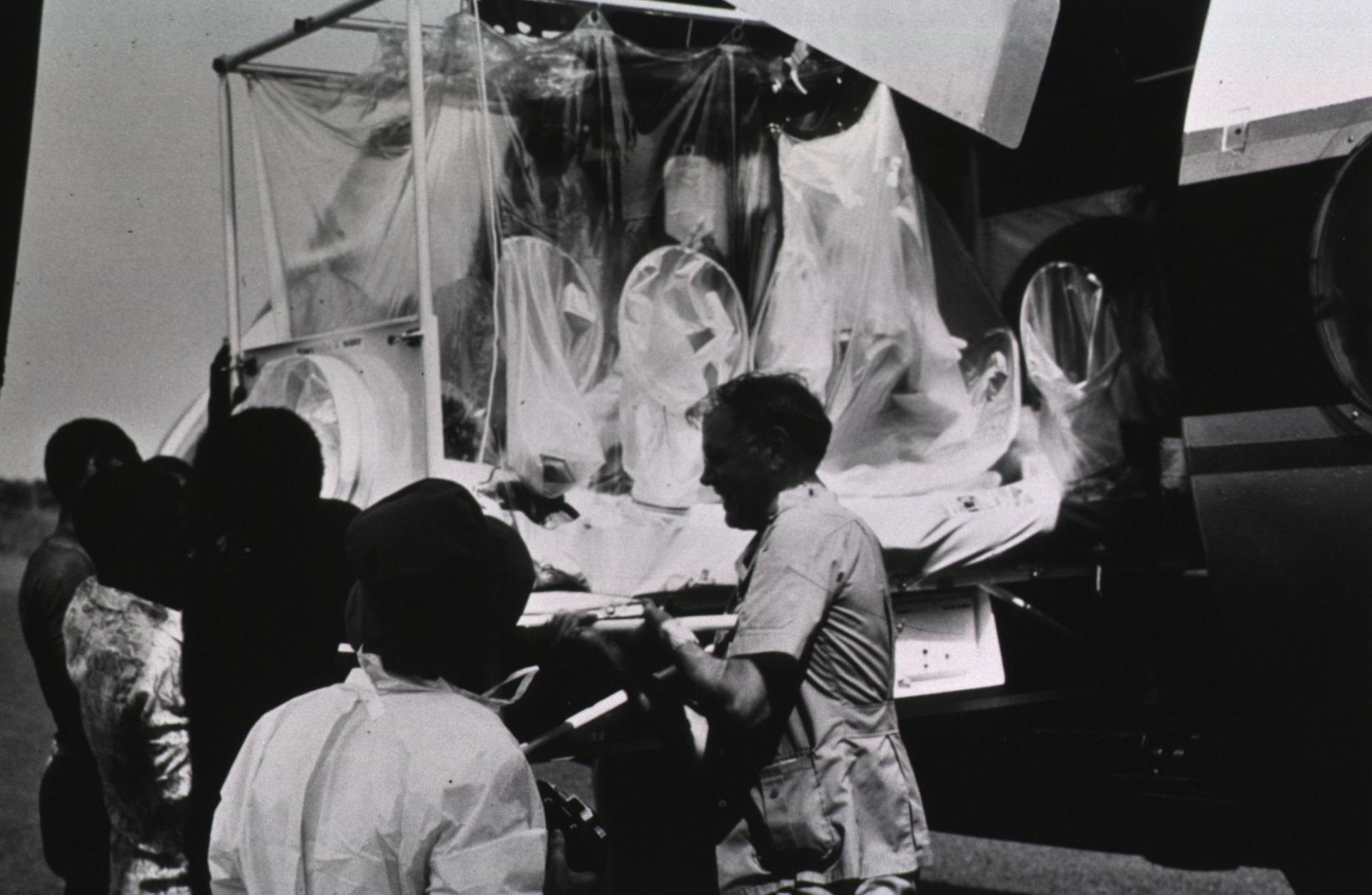
Friday morning at Laikipia Air Base began with the kind of bureaucratic quiet that does not last. American medical staff were preparing, US officials told reporters, to switch on a 50-bed isolation unit they had built into the corner of the base, about 200 kilometres north of Nairobi. By the end of the working day, a judge of the Kenyan High Court had ordered them to stop.
In hospital staff rooms and Discord groups from Houston to Aberdeen, Kenyan nurses and clinicians were already passing the link before the morning bulletin in Nairobi was over. For a diaspora that has watched outbreaks reshape borders before, the question that kept landing in messages was the same: when an American president decides his country owes its citizens a holding pen on Kenyan soil, what does Kenya owe its own people?
The Order That Arrived on Opening Day
High Court Judge Patricia Nyaundi signed her interim ruling on Friday, the same day the field hospital at Laikipia Air Base was set to begin operations. Her order barred the government from establishing or operating any Ebola-related facility under agreements with the United States or any other foreign government, and from admitting anyone exposed to or infected with the virus into the country, until the legal challenge before her is heard in full. The case has been listed to return to court on 2 June.
The petitioner was the Katiba Institute, a Kenyan rights group that has spent the last decade litigating the boundaries of the 2010 Constitution. In its filing, the institute argued that the arrangement had been negotiated in secret, that no public participation had occurred, that Parliament had been bypassed, and that the agreement risked importing a virus that Kenya does not currently have. The petition described the move as raising "grave constitutional concerns regarding the rights to life, health, fair administrative action, public participation, and parliamentary oversight." The Law Society of Kenya, in a separate intervention, warned that Kenya lacked the "high-containment infrastructure required to safely manage such a facility."
What Washington Wanted, and What Nairobi Quietly Agreed To
The American interest in a Kenyan facility arose from a fast-moving outbreak across the border. The Democratic Republic of the Congo declared the outbreak of the Bundibugyo strain on 15 May. By the end of last week, the Congolese government had logged more than 1,000 suspected cases and at least 220 deaths, with Uganda confirming seven cases and one death. The World Health Organization believes the actual case count is higher, and warns that the virus appears to have circulated undetected for weeks. WHO Director-General Tedros Adhanom Ghebreyesus described the situation in Ituri province, which accounts for more than 90 percent of confirmed cases, as a "catastrophic collision of disease and conflict."
Faced with the prospect of US nationals working in eastern Congo being exposed, the Trump administration moved to set up a third-country isolation arrangement rather than fly potentially exposed Americans home. Secretary of State Marco Rubio said Washington would commit 13.5 million dollars toward Kenya's Ebola preparedness. US officials later confirmed that a 50-bed unit at Laikipia, staffed by American medical personnel, would handle quarantine and treatment for US citizens arriving from the DRC. The Kenyan government, while publicly acknowledging discussions with Washington on preparedness, said little about the facility itself before the petition landed in court.
A Strike Threat From the Doctors' Union, and a Word: 'Dumping Ground'
The reaction inside Kenya's medical fraternity was sharp before the court ever ruled. On Thursday, the Kenya Medical Practitioners, Pharmacists and Dentists Union issued a 48-hour strike notice in anticipation of the facility going live. The union's secretary-general, Davji Atellah, said in a statement that members were "utterly disgusted by the government's apparent willingness to trade national biosecurity and the lives of its citizens for foreign aid." The union argued that the United States appeared unwilling to receive Ebola-exposed nationals on its own soil and that Kenya should not, in its language, become a "dumping ground."
That phrasing travelled fast. In American hospital systems where Kenyan nurses and respiratory therapists make up a quiet but durable share of the workforce, the strike alert was forwarded between shifts. So was reporting that one US physician, asked about the third-country arrangement, called the policy "a moral abdication of what this country owes its own." Earlier in May, a doctor in DRC who tested positive for Ebola was sent to Germany for care; an American missionary was taken to the Czech Republic. The Laikipia plan would have changed that pattern, moving the third country from inside the European Union to the East African coast.
A Diaspora That Reads the Outbreak From Two Sides
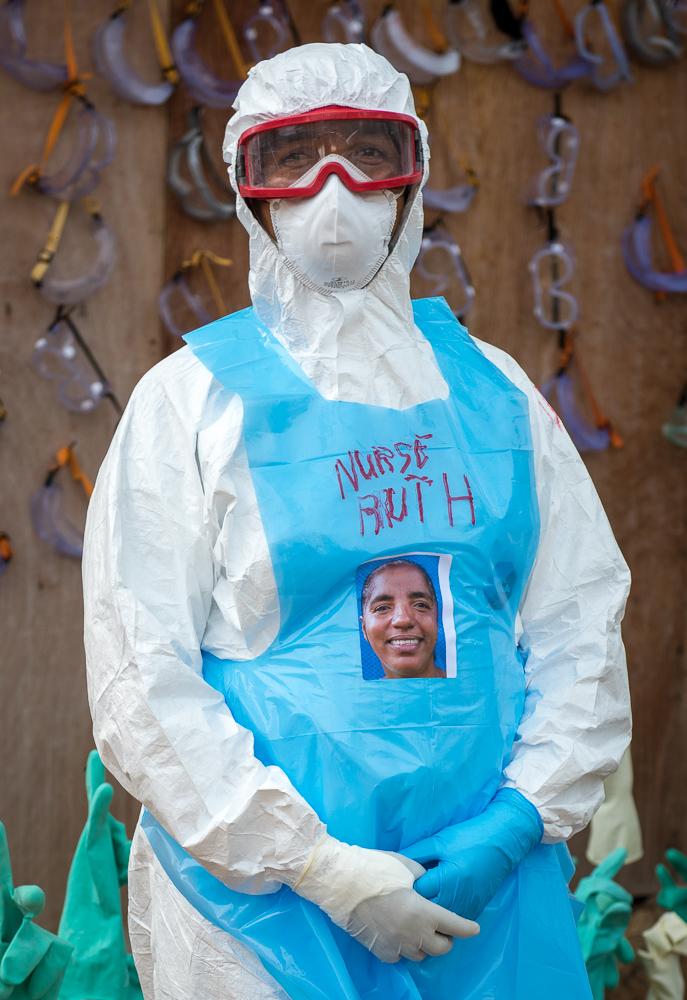
For Kenyans abroad, the Laikipia argument lands in two places at once. There is the immediate professional stake: thousands of Kenyan nurses, clinical officers and lab technicians work in American, British and Gulf health systems where Ebola preparedness has become a recurring training cycle since 2014. Several diaspora WhatsApp groups spent Friday afternoon sharing the Al Jazeera and CNN versions of the court story, alongside the Daily Nation's account, with relatives in Nairobi and Kisumu asking what it meant for travel home.
There is also the political stake. Kenya's relationship with Washington has been a recurring news beat for the diaspora, from visa policy to defence cooperation to the recent USCIS guidance changes that have rattled green-card holders. A field hospital quietly raised on Kenyan soil for the exclusive use of American citizens, agreed to without parliamentary debate, struck a nerve that earlier deals did not. Several diaspora commentators online framed the Friday ruling less as a blockage of Ebola care and more as a constitutional pushback, a reminder that procedural rights and public participation remain enforceable, even when the counter-party is the United States.
What June 2 Could Decide
When Judge Nyaundi's court reconvenes on 2 June, the file before her will sit at the intersection of public-health law, constitutional procedure and foreign policy. The Katiba Institute's argument turns on transparency and public participation. The government's defence, when it is filed, is likely to lean on the urgency of regional preparedness and on its broader Ebola response, which includes ongoing screening at borders and airports. The Law Society's submission about containment capacity will sit alongside the union's warning about doctor safety.
Outside the courtroom, the outbreak does not pause. The Bundibugyo strain has no approved vaccine or specific treatment. Italian Prime Minister Giorgia Meloni this week urged EU leaders to tighten border vigilance. Members of Parliament from Mt Kenya have continued to press the executive in Nairobi for answers. And in Houston, Birmingham, Calgary and Doha, Kenyan health workers will keep refreshing the feed, watching to see whether the 50 beds at Laikipia ever take a patient, and on whose terms.