The Nanyuki Question: Why Kenya's Diaspora Is Watching the US Ebola Centre Standoff From Atlanta, London and Dubai
A KSh 322 billion health pact with Washington has placed a quarantine facility on Mount Kenya's flank — and put diaspora travel plans, family visits and trust in the deal under real strain.

On Friday evening in a townhouse in Lawrenceville, Georgia, a nurse from Nyeri opened a family WhatsApp group on her phone and scrolled past the usual chorus of greetings, prayer requests and Utumishi Girls condolences. Then she stopped. Her cousin in Nanyuki had sent a single voice note: the headlines back home were talking about Ebola, an American hospital being built somewhere on the road to Timau, and a court case asking whether the government had quietly agreed to host patients flown in from the United States. Her mother is in Naro Moru. Her ticket home for August is booked. By midnight in Georgia, she was on the phone to a friend in Manchester asking the same question Kenyans across the diaspora have been asking all weekend: what exactly has Kenya signed?
The short answer, as of Friday May 29, is that no one outside the State House negotiating room can answer that with full certainty. The longer answer is messier, and it is reshaping how Kenyans abroad think about the Ruto government's deepening alignment with Washington, about their own travel home, and about a place — Nanyuki — that until a week ago most of them knew only as a transit point on the way to a school visit or a safari weekend.
A KSh 322 billion deal, and a quiet site selection
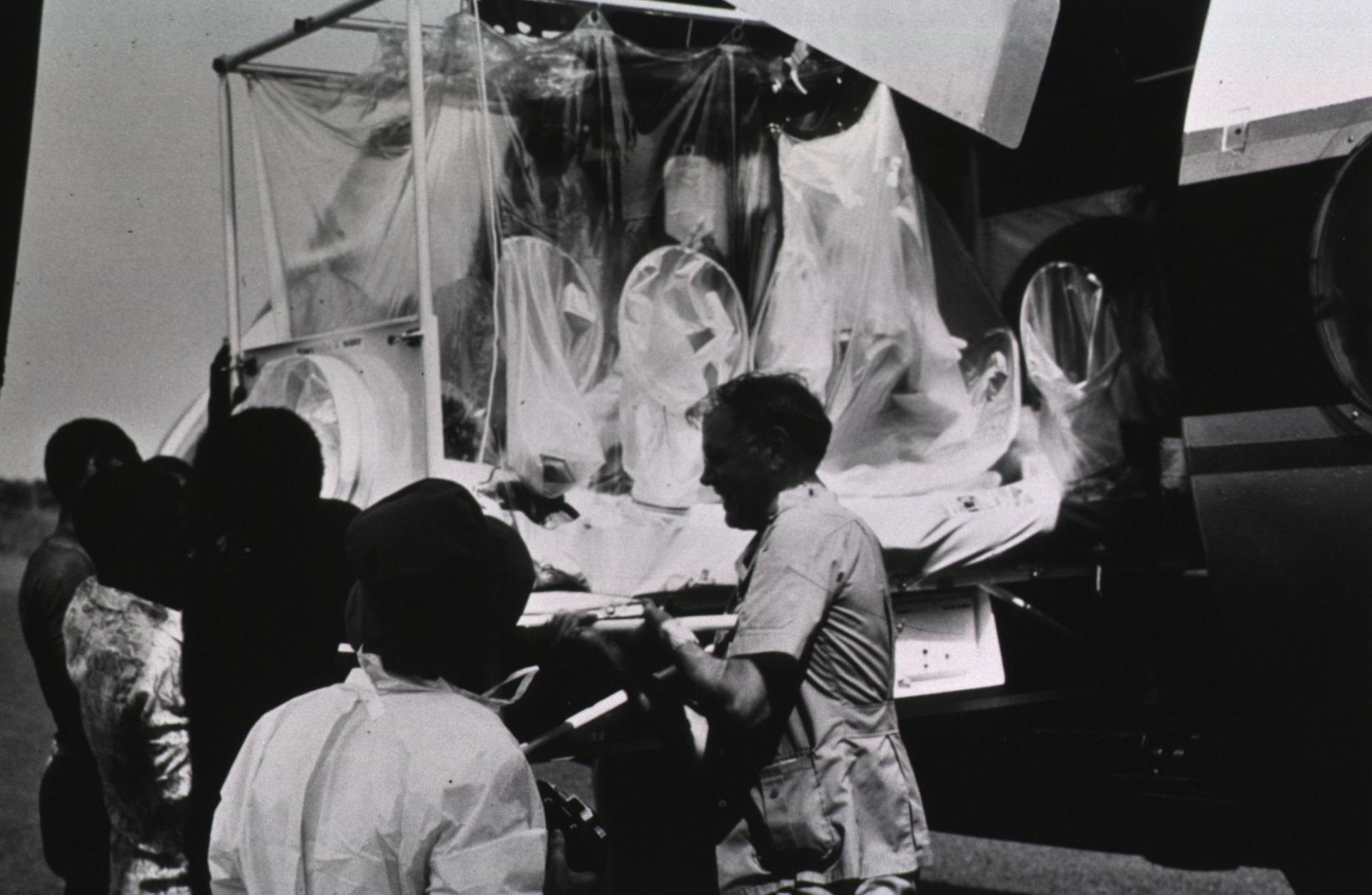
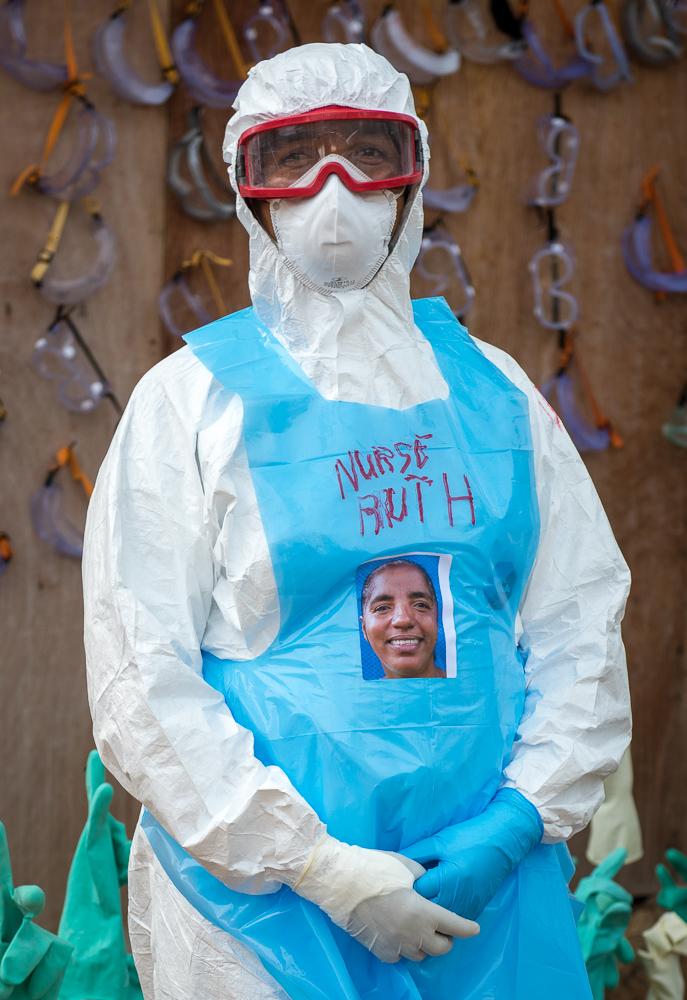
The Nanyuki facility is part of a five-year health partnership between Kenya and the United States that local press has valued at roughly KSh 322 billion. The agreement was framed by both governments as a joint investment in disease surveillance, laboratory upgrades and emergency response, all timed against the worsening Ebola outbreak in the Democratic Republic of Congo's Ituri province. The World Health Organization's director-general visited Ituri this week, underscoring how fast the regional risk is changing.
What turned the deal into a domestic firestorm was not the money but the geography. Prime Cabinet Secretary Musalia Mudavadi confirmed on Friday that Nanyuki is one of about sixteen infectious-disease preparedness centres Kenya intends to establish nationwide. "We are being prepared. We are being proactive," he said, dismissing the idea that the facilities exist solely to receive foreign nationals. He insisted that the government would not "be so stupid to just bring a disease, carry it and sprinkle it among our people," and framed Kenya as a regional anchor for international outbreak response.
For Kenyans abroad reading the statement, the framing was the problem. A five-year, multi-billion-shilling health pact had quietly been signed; a specific site had been chosen on the slopes of Mount Kenya; and only after community leaders, lawyers and journalists began asking questions did the government walk the public through what the agreement actually contains.
Laikipia pushes back
The local political reaction has been sharp. Laikipia Governor Joshua Wakahora Irungu publicly rejected the proposed siting of the quarantine and treatment facility in his county, arguing that health may be a devolved function on paper but that the county government had not been meaningfully consulted on a decision of this scale. Members of Parliament from Laikipia have echoed him, citing the lack of transparency, the absence of clear selection criteria, and unanswered safety questions for the towns of Nanyuki, Timau and Nyahururu that ring the proposed site.
For Kenyans in the diaspora with roots in Mount Kenya region — and there are many, particularly in Boston, Dallas, Birmingham, Toronto and the Gulf — the local rejection landed harder than any national-level press conference. WhatsApp groups that normally trade school fees updates and harambee receipts spent Thursday and Friday relaying screenshots of the governor's "sisi tumekataa" remarks and arguing about whether the facility would actually go ahead.
A petition, and a constitutional question
While politicians traded statements, the Katiba Institute moved the fight into court. The constitutional advocacy group filed an urgent petition on May 28 asking the High Court to block the establishment, operationalisation or approval of any Ebola quarantine facility in Kenya under any arrangement with the United States or another foreign government, pending full public disclosure of the terms. The institute also wants the Cabinet Secretary for Health ordered to produce, within twenty-four hours, a contingency plan covering surveillance, prevention and outbreak response.
"At its core, the case is about preserving constitutional accountability, protecting public health, and ensuring that no government may place expediency above the lives and safety of the people of Kenya," Executive Director Nora Mbagathi said in a statement filed with the petition. Reports out of Nairobi suggest the High Court has now temporarily suspended the project pending review — a development being watched closely by diaspora lawyers tracking how the case may set precedent for future bilateral health agreements.
Why this lands so heavily on diaspora households
Two things make Nanyuki a diaspora story rather than a purely domestic one. The first is travel. The June–August window is when Kenyan families abroad fly home for weddings, graduations and burials, and when grandchildren raised in Dallas or Doha meet their grandparents for the first time. Any suggestion that exposed patients could be flown into Kenya — even into a dedicated facility hundreds of kilometres from Nairobi — recalibrates how households think about risk, insurance and the wisdom of bringing small children on the trip. Several Kenyan community leaders in the United Kingdom said on Friday that members were already asking whether to delay summer travel until the court case is resolved.
The second is identity. Kenyans abroad are particularly attentive to how their country is positioned in deals with global powers, because those deals shape the immigration rules, scholarship pipelines and visa terms that govern their own lives. A health pact with Washington that arrives in the same week that the US Embassy in Nairobi announces a Monday office closure, and against a backdrop of tightening US green-card policy for African nationals, reads to many in the diaspora as part of a single, larger story about the shifting bargain between Nairobi and Washington — and they do not yet know what they have been signed up for.
What to watch in the next 72 hours
Three things will shape how this story moves through the weekend and into the coming week. The first is whether the High Court issues conservatory orders that formally pause the Nanyuki construction; if it does, the project effectively stalls until a full hearing. The second is whether the Ministry of Health publishes the agreement in full, as the petition demands, or whether it continues to release the terms through ministerial soundbites. The third is whether Kenyan-American medical professional bodies in the United States — the Kenya Medical Association's diaspora chapters and the Kenya Nurses and Healthcare Workers in the USA networks — weigh in publicly. So far they have been notably quiet, even as their members carry the question into clinics and church basements from Lowell to Lawrenceville.
For now, the nurse in Georgia is not cancelling her August ticket. She has, however, started a new note on her phone — a running list of the questions she wants answered before she lands in Nairobi and drives north past Nyeri toward home. The Nanyuki Question is not yet a binary one. But for the first time in this year of immigration upheaval, a story breaking inside Kenya is shaping how the diaspora feels about going back.