The Deadline at the Pretoria Door: Kenya's Rescue From South Africa Enters Its Final, Anxious Week
A July 7 registration cutoff has arrived and a last flight leaves Johannesburg on the 9th. For the 266 already home, the hard part — rebuilding — is only beginning.

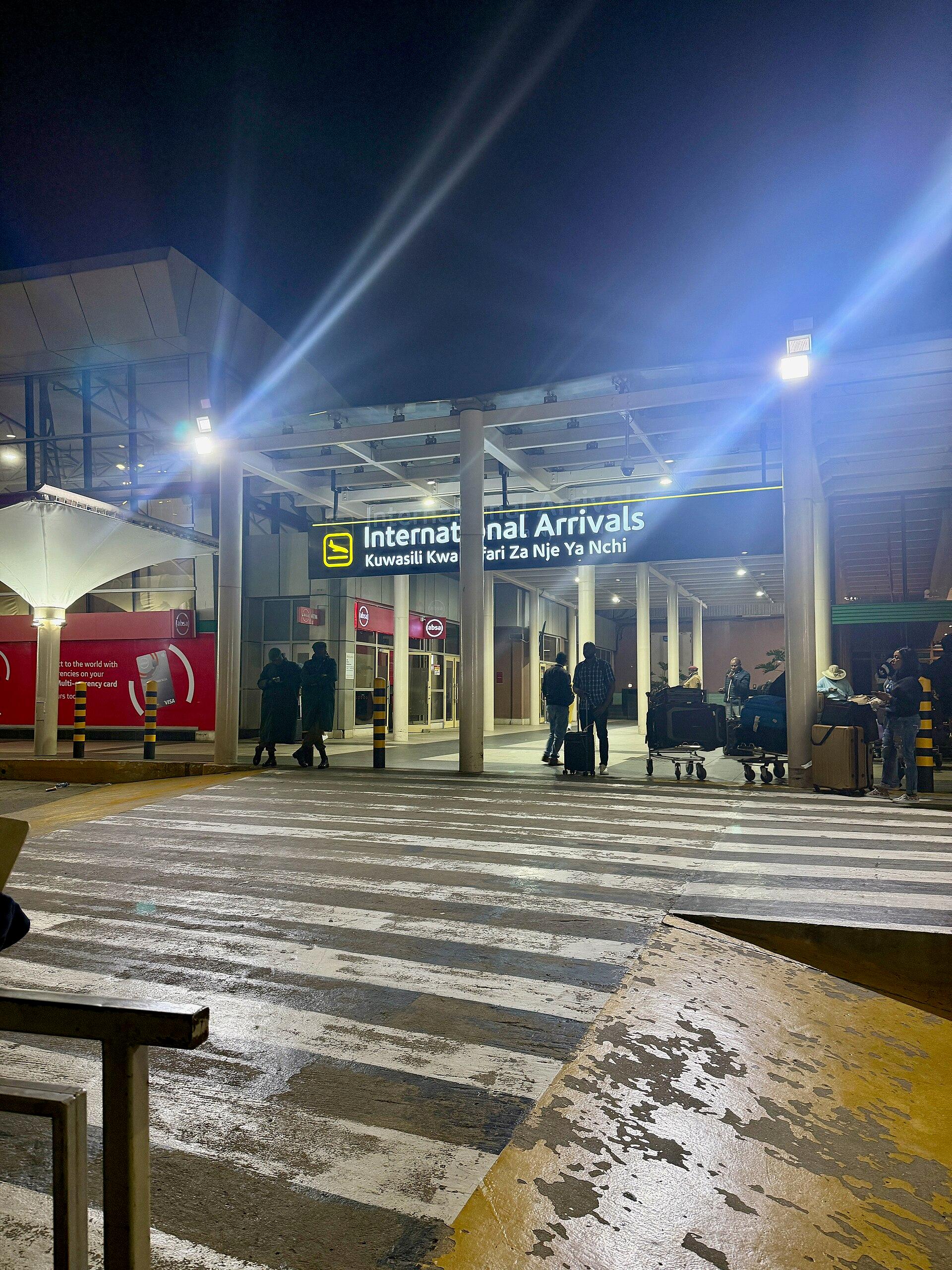
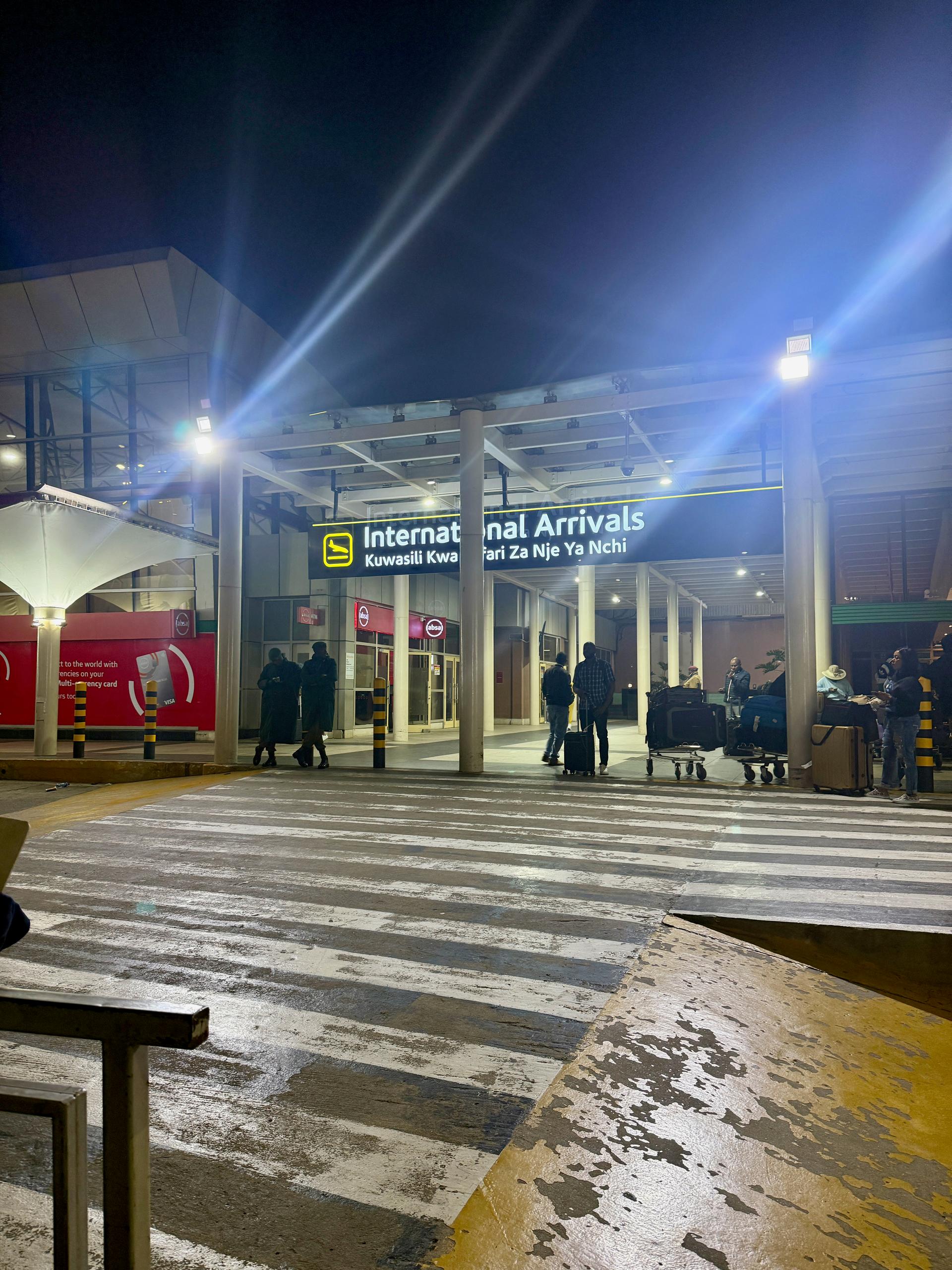
Anthony Waweru spent close to two weeks in hiding before he accepted that leaving was the only way to stay safe. A bus driver who had built a working life in South Africa, he watched his home set alight and then waited, moving quietly between the houses of people he trusted, until a seat opened on a flight to Nairobi. When he finally walked into the arrivals hall at Jomo Kenyatta International Airport, he was one of hundreds of Kenyans coming home not with savings or souvenirs but with the particular exhaustion of people who have been driven out of a place they once called their own. He has said he will not go back; he no longer feels safe there.
By the first week of July, the Kenyan government had turned that private fear into a formal operation. What started as scattered pleas for help from Kenyans in Johannesburg and nearby towns has become one of the more visible state-coordinated evacuations of citizens in recent years — and this week it is entering its final, tense phase. A registration deadline fell on Monday, July 7, and the last repatriation flight is scheduled to leave Johannesburg on July 9. After that, as far as the state is concerned, the airlift is done.
The machinery of going home
The evacuation runs along a chain that most of those using it had never expected to need. It begins with Kedasa, the Kenya Diaspora in South Africa association, which represents roughly 12,000 members and now functions as the first point of contact for anyone wanting out. Kedasa forwards cases to the Kenyan High Commission in Pretoria and to the State Department for Diaspora Affairs, which check names and arrange papers for people who, in the chaos, may have lost documents or never held the right ones.
From there, evacuees are moved to Pretoria, where they are given accommodation, meals and help assembling travel documents before boarding Kenya Airways flights north. The journey does not end at the aircraft door. On arrival at JKIA, returnees are taken through debriefing sessions and offered counselling — an acknowledgement, rare in these operations, that the damage people carry home is not only financial. Kedasa's leadership has credited High Commissioner Jane Ndurumo and Principal Secretary Roseline Njogu with steering the process, and noted that Kenyans were kept out of refugee camps while they waited.
A deadline, and a last flight
The numbers have moved quickly, which is part of why the story has been hard to pin down. The Daily Nation reported that 151 people had been flown home by July 2, arriving in staggered batches over June 30 and July 1, with 240 Kenyans registered for assistance at the High Commission in Pretoria. By the following weekend, Mwakilishi reported, the figure of those already in Nairobi had risen to 266, with a single final flight still to come. The Standard and Capital FM have both reported the exercise closing on July 9, with registration shutting on July 7.
Those dates matter. Anyone who does not register before the window closes is, in effect, on their own — reliant on commercial fares, personal savings or the goodwill of relatives to make the same journey the state is about to stop subsidising. For families still weighing whether the situation might calm, the deadline forces a decision that many would rather not make in a hurry.
The cost carried in hand luggage
For those who have come back, the arithmetic of what they left is brutal. Ruth Wambui, a businesswoman who returned with her two children, told reporters she had abandoned her business after her home was destroyed by fire; she had hoped things would improve before she was forced to choose. Her account is common among the returnees: years of accumulated work — shops, vehicles, tenancies, customer lists — surrendered in days, with no realistic prospect of compensation.
This is the part of an evacuation that the airlift itself cannot fix. A flight can remove a person from danger. It cannot restore a stock of goods that burned, or a route of regular customers, or the sense that a decade spent abroad amounted to something more than a lesson in how quickly a life can be undone. Several returnees have said they now need help simply to resettle in Kenya, a country some of them left long enough ago that coming back is its own kind of migration.
The question of who counts
Roughly 27,000 Kenyans live and work in South Africa, and the violence since late June has not been careful about paperwork. Mike Mwita, another returnee, has said that those carrying out attacks did not distinguish between people with legal immigration status and those without — a warning that the danger was national rather than bureaucratic. That reality shaped an unusual concession in the operation: according to Kedasa's secretary-general, William Thageya, Kenyans without valid immigration documents but with no criminal record were allowed to leave South Africa without being detained or taken to court. The embassy also helped cover the cost of moving people from outlying areas to the evacuation centres.
The arrangement quietly answers a question that hangs over every diaspora crisis — whether a government will stand behind citizens whose status abroad is irregular. In this case, at least, the answer has been to bring them home first and settle the technicalities later.
What the diaspora reads into it
For Kenyans watching from the United States, the Gulf and Europe, an evacuation from South Africa is not a distant African story; it is a stress test of the machinery they might one day depend on. The same week that Pretoria was arranging flights, Prime Cabinet Secretary Musalia Mudavadi was pledging stronger safeguards for Kenyans working in Saudi Arabia, and an employment court was ordering the government to do more to protect citizens in the Middle East. Read together, they describe a state slowly, unevenly building the habit of intervening on behalf of its people abroad.
Whether that habit holds after the last flight leaves Johannesburg is the open question. The returnees interviewed at JKIA were grateful to be safe, but several were clear-eyed about the limits of gratitude: safety is the floor, not the ceiling. As the final aircraft prepares to lift off on July 9, the operation's success will be measured not only by how many it carried out, but by whether the people it brought home find anything solid to land on.