Home, With Nothing in the Suitcase: Kenya Begins Airlifting Its People Out of South Africa's Xenophobic Storm
The first evacuees have landed at JKIA carrying what remains of years of work abroad, as Nairobi races to bring home more than 200 Kenyans who asked to leave.
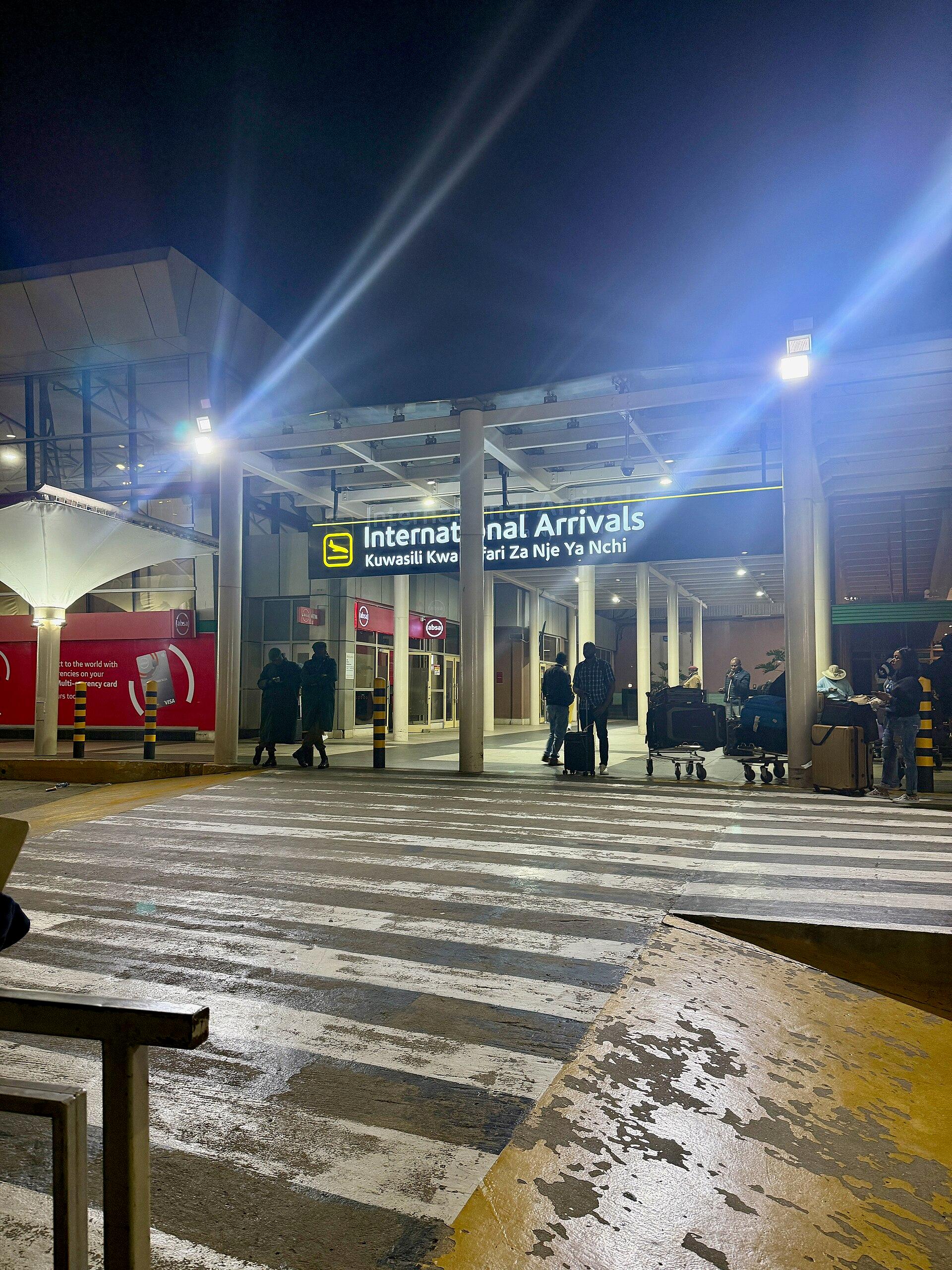
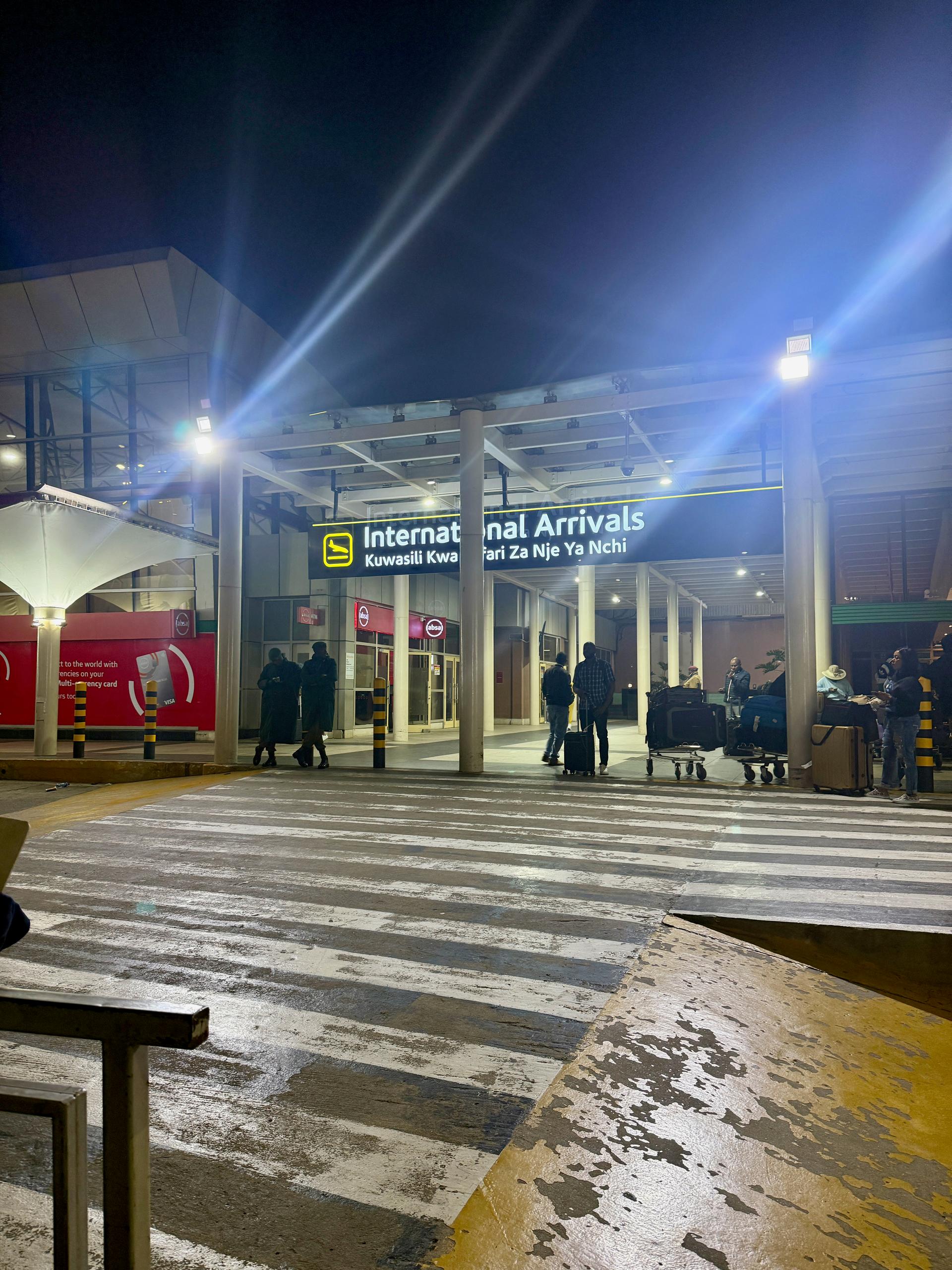
The arrivals hall at Jomo Kenyatta International Airport is built for reunions. On most mornings, the crowd behind the barrier holds flowers and handwritten signs, waiting for relatives coming home from work contracts in the Gulf or studies in Europe. This week, the hall received a different kind of homecoming: Kenyans stepping off flights from Johannesburg with hastily packed bags, some with little more than the clothes they travelled in, ending years of life in South Africa in a matter of days.
Among them was Ruth Wambui, who had spent more than a decade building a career in South Africa's beauty industry. She told reporters at the airport that groups had gone door to door through neighbourhoods where foreign families lived, ordering them out of their own homes. She described watching businesses that migrants had spent years building reduced to wreckage in days. Her account, carried by the diaspora news outlet Mwakilishi, matched those of other returnees who spoke of looted shops, lost jobs and neighbours-turned-strangers demanding that foreigners leave.
The Deadline That Emptied Neighbourhoods
The airlift is the direct consequence of an ultimatum. Anti-immigrant groups in South Africa had set June 30 as the date by which foreign nationals were told to leave the country, and the weeks leading up to it saw escalating intimidation and violence against African migrants in several provinces. Homes were invaded. Shops owned by foreigners were looted or burned. Kenyans interviewed on arrival in Nairobi said the hostility was not limited to any single nationality: they had watched attacks on Malawians and on migrants from other neighbouring countries as well.
South Africa has lived through cycles of xenophobic violence before, notably in 2008 and 2015, when dozens of people were killed and tens of thousands displaced. What is different this time, returnees say, is the organised character of the pressure: a publicised deadline, coordinated evictions and a level of economic targeting that made staying feel impossible even for those who had lived legally in the country for years.
An Airlift, Flight by Flight
Kenya's response has been an evacuation programme coordinated by the State Department for Diaspora Affairs. Principal Secretary Roseline Njogu confirmed that a first group of 26 Kenyans had arrived home safely, and said a further 63 were expected on subsequent flights. Kenyan media tracking the operation reported that later arrivals brought the total to more than 80 evacuees within the first days, with additional groups landing at JKIA in the evenings as seats could be secured.
The returnees were met at the airport by government officials and offered consular assistance and psychosocial support, an acknowledgement that many are arriving not just displaced but traumatised. Officials have said the operation will continue for as long as Kenyans in South Africa ask to come home.
A Hundred People in a High Commission
The numbers behind the operation suggest it is far from over. More than 200 Kenyan nationals have formally requested evacuation assistance, according to the Ministry of Foreign and Diaspora Affairs. Roughly 100 of them are currently sheltering at the Kenyan High Commission in Pretoria, where diplomatic staff have turned the mission into temporary accommodation while they coordinate with South African authorities to guarantee safe passage to the airport.
Njogu publicly thanked High Commission staff and the multi-agency evacuation team, and the government has directed Kenyans still in South Africa to remain in contact with the mission, follow the guidance of local authorities and use the 24-hour Diaspora Response Centre if they need urgent help. For a diaspora community that has often complained of thin consular support in moments of crisis, the speed and visibility of this operation marks a notable shift — one that diaspora advocates will remember the next time a crisis erupts somewhere else.
What They Left Behind
Evacuation lists count people, not livelihoods. Behind each name on the manifest is a hair salon, a hardware stall, a transport business or a job that no longer exists. Returnees described leaving behind property they could not sell, stock they could not move and debts they may never recover. For many, South Africa was not a stopover but a life: children in school, businesses registered, years of savings sunk into premises that are now shuttered or destroyed.
That economic dimension matters back home too. Kenyans in South Africa are part of the wider diaspora economy that sends billions of shillings home every year. Families in Nakuru or Kisii who relied on a relative's Johannesburg salon have lost that income overnight — at the same moment the relative arrives home needing support rather than sending it. The reversal is sudden, and for some households it will be brutal.
Coming Home to What?
The harder questions begin after the arrivals hall empties. Kenya's government has moved quickly on flights; what remains unclear is what reintegration support, if any, will follow for people who return with nothing. Past repatriations — from Gulf labour disputes to the South Sudan evacuations — have shown that the flight home is the easy part. Restarting a livelihood in an economy already squeezed by the cost of living is the long tail of this story.
There is also a regional reckoning ahead. The scale of this year's anti-migrant campaign has drawn attention across the continent, with several governments organising evacuation flights at the same time. For the African Union and for Nairobi's own diplomats, the question is whether the continent's commitments to free movement and migrant protection mean anything when a publicised deadline can empty whole neighbourhoods of foreigners. For the Kenyans who walked through JKIA's arrival doors this week, that debate comes too late. They are home, safe, and starting again from the beginning.