The Flight Home From Fear: Inside Kenya's Race to Bring Its Citizens Out of a Hostile South Africa
The first 26 returnees touched down at Jomo Kenyatta International on Monday. Hundreds more wait inside the High Commission in Pretoria as anti-migrant unrest spreads.
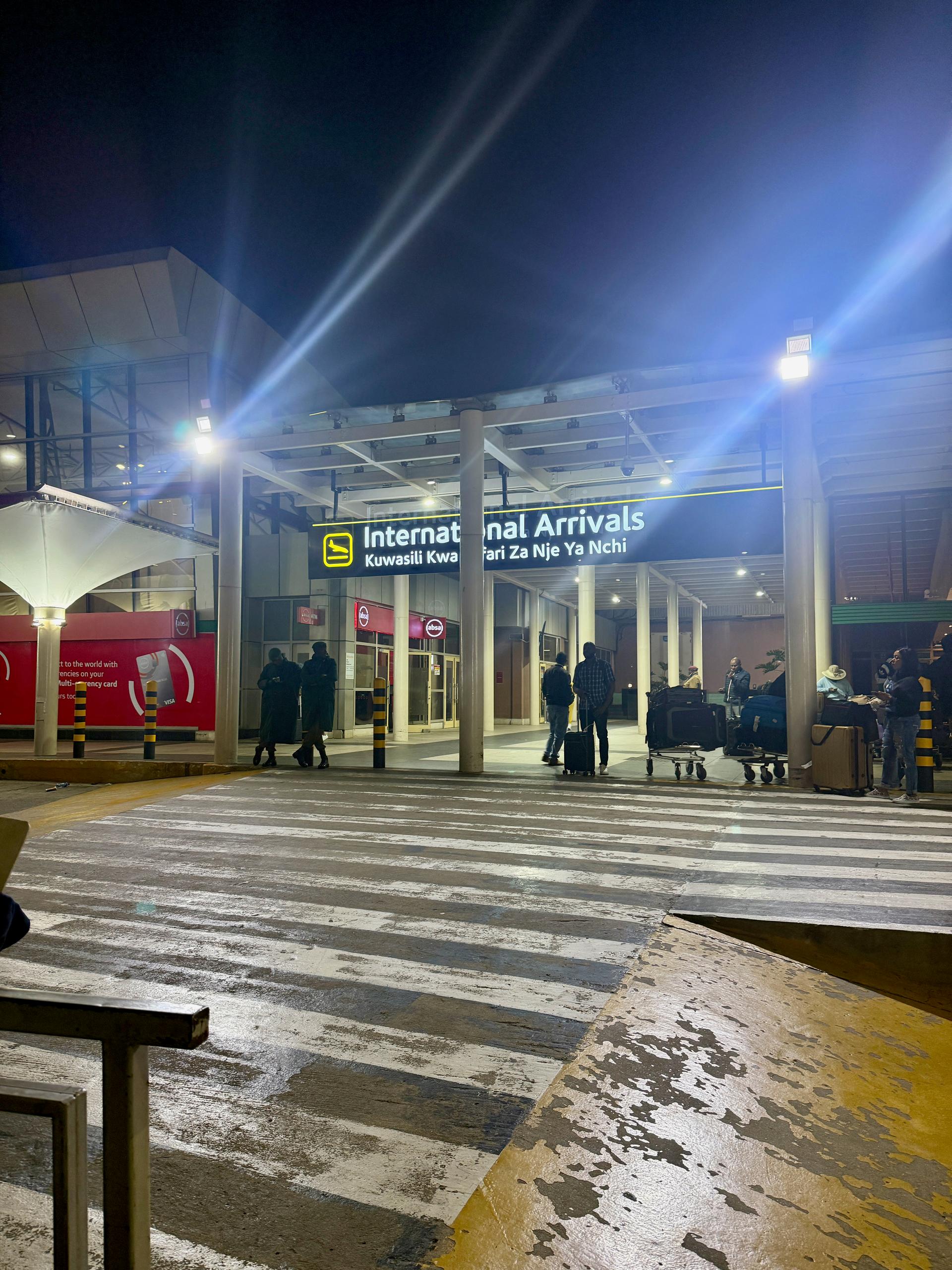
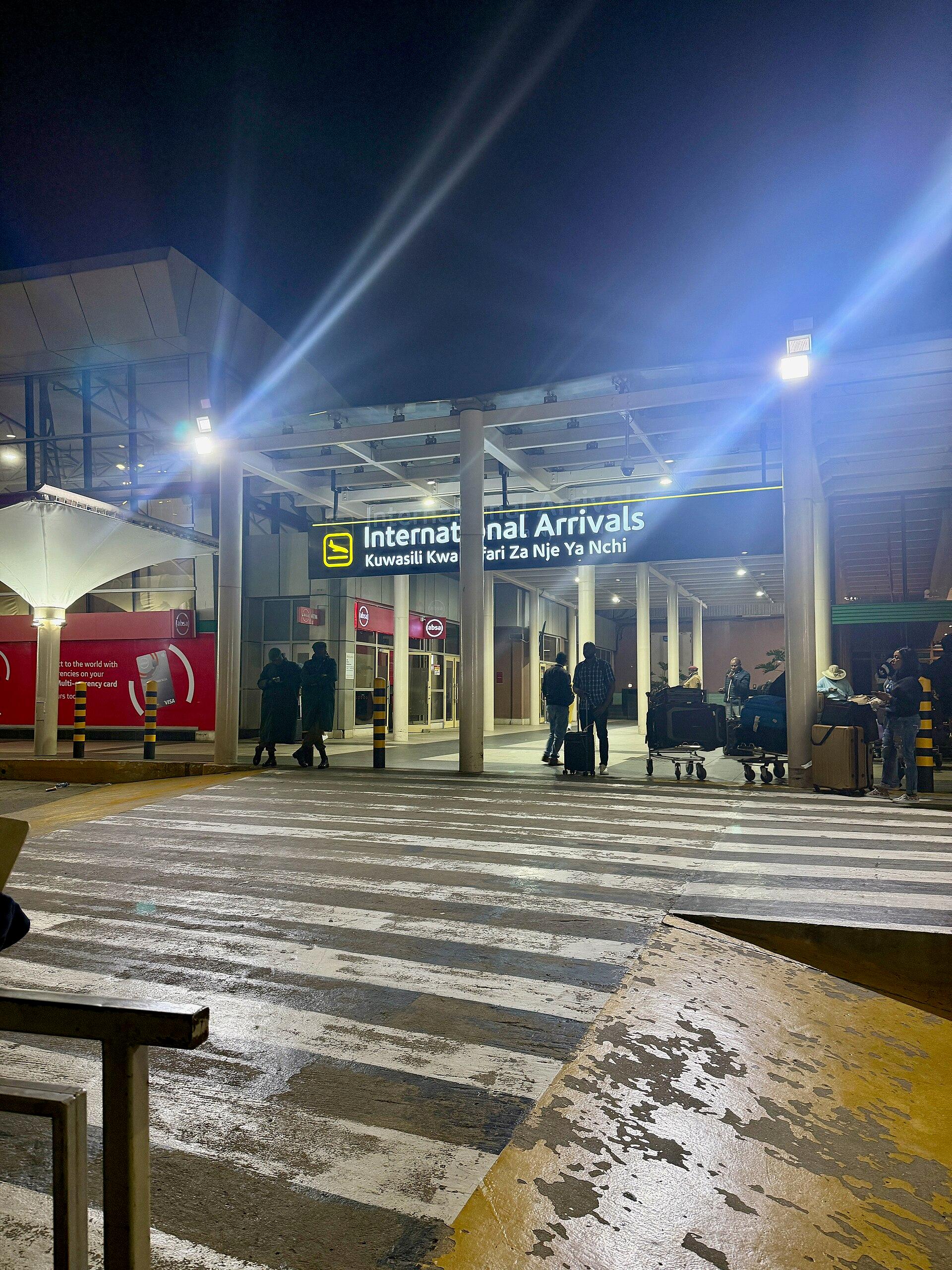
When the doors slid open in the international arrivals hall at Jomo Kenyatta International Airport on Monday, the first twenty-six of them walked through carrying very little. Some had left behind apartments, market stalls and half-finished lives in Johannesburg and Pretoria. Officials from the State Department for Diaspora Affairs were waiting to meet them, not with the usual brochures handed to returning travellers, but with consular paperwork and counsellors trained to sit with people who have just fled somewhere that stopped feeling safe.
This was not a holiday charter or a deportation flight. It was the opening move of an emergency repatriation that Nairobi had hoped it would never have to run, and which by Monday evening it could no longer avoid. More than sixty additional Kenyans were expected to land later the same day, and further flights had already been scheduled for those still asking to come home.
The Arrivals Hall That Became a Refuge
The returnees were given what the government called psychosocial support, a clinical phrase for a simple need: people arriving from a country where crowds had turned against the foreign-born do not always step off the plane composed. The State Department said its teams received the group at the airport and helped them begin the work of resettling, a process that for many will mean starting again in a country they left precisely because it could not offer them enough.
The numbers tell their own quiet story. Capital FM reported that by this week roughly eighty-nine Kenyans had been evacuated, while more than two hundred others were sheltering inside the Kenyan High Commission in Pretoria, waiting for seats on flights that the mission was scrambling to arrange. A compound built for visas and passport renewals had become, in effect, a place of refuge.
A Protest Movement Turns on the Foreign-Born
The crisis did not arrive without warning. For weeks, anti-immigrant organising in South Africa had been building toward nationwide demonstrations, with June 30 marked as a flashpoint for protests targeting African nationals. The rhetoric framing those marches blamed migrants for unemployment, crowded clinics and crime, an old and combustible argument in a country where roughly a third of the workforce cannot find a job.
For Kenyans living in South Africa, the shift was felt in ordinary places first: a colder reception at a shop counter, warnings passed around community WhatsApp groups, advice to keep documents close. By the time the government in Nairobi moved, the danger had outrun reassurance. The decision to evacuate is, in diplomatic terms, an admission that ordinary protection has failed, and that the safest thing a state can do for its citizens abroad is to bring them out.
How the Airlift Came Together
According to the State Department for Diaspora Affairs, the operation is being run by a multi-agency team with a single stated goal: to bring home every Kenyan in South Africa who wishes to leave. Officials said the flights would continue until all those who have registered for evacuation are accounted for, a commitment that turns a one-day rescue into an open-ended logistical campaign.
That campaign rests on machinery Kenya has spent years building for its diaspora. The High Commission in Pretoria became the assembly point. A 24-hour Response and Call Centre, set up to field exactly this kind of emergency, became the number people dialled when they were frightened. The State Department for Diaspora Affairs, a relatively young institution carved out to manage the affairs of the roughly four million Kenyans living abroad, found itself running an evacuation in real time rather than the cultural festivals and remittance forums that usually fill its calendar.
The Advice for Those Still Waiting
For the Kenyans who have not yet boarded a flight, the government issued guidance that reads like a survival checklist. Stay indoors during demonstrations. Avoid areas affected by protests and large public gatherings. Carry valid identification at all times. Follow the instructions of South African authorities, and steer clear of confrontations with hostile groups.
Officials also urged citizens to be careful about what they believe. In a crisis stoked partly online, the State Department asked Kenyans to rely on verified information from the High Commission in Pretoria, established media organisations and recognised diaspora leaders, rather than the rumours that spread fastest when fear is high. In an emergency, citizens were told to contact the South African Police Service, the High Commission, or the Response and Call Centre directly. It is the kind of advisory that assumes the worst while hoping the worst does not come.
A Regional Exodus
Kenya is not acting alone, and its citizens are not the only ones leaving. The same wave of hostility has pushed several African governments into motion. Nigeria has evacuated hundreds of its nationals, with one batch of more than two hundred and fifty arriving back in Lagos. Ghana has run its own returns and moved to secure jobs for citizens coming home. Malawi, Zimbabwe and Mozambique have warned their people against non-essential travel to South Africa, and reports have described Malawians and Nigerians fleeing neighbourhoods amid xenophobic threats.
It is a continental embarrassment for a country that once styled itself the conscience of African liberation, and whose constitution and courts remain among the most progressive on the continent. South Africa drew migrants from across the region precisely because it was the place where work, study and a fuller life seemed possible. The evacuations now ferrying Kenyans, Nigerians and Ghanaians home are a measure of how far that promise has frayed.
What Home Means Now
For the families who walked through arrivals at Jomo Kenyatta this week, the relief of safety carries a harder question underneath it. Many had migrated south for opportunities that Kenya, with its own youth unemployment and cost-of-living strain, struggled to provide. Coming home solves the immediate danger; it does not solve the economics that sent them away.
That is the uncomfortable inheritance of this airlift. A government can charter planes and staff a call centre, and Kenya, to its credit, has done both quickly. What it cannot do overnight is build the kind of economy that makes leaving a choice rather than a necessity, or guarantee that the next country offering work will not, one day, turn on those who answered the call. For now, the flights keep coming, the arrivals hall keeps its counsellors on hand, and a few dozen more Kenyans at a time trade an uncertain abroad for an uncertain home.