The Deadline at the Door: How a June 30 Ultimatum in South Africa Has Kenyans Counting the Cost of Staying
As anti-migrant groups demand foreigners leave by month's end, the 27,000 Kenyans in South Africa weigh whether home has become the safer country.
In Pietermaritzburg, the first bus pulled away from an abandoned municipal building on Mayor's Walk on the morning of June 23, carrying women and children who had folded their bedding on the pavement after fleeing their homes. They were Malawians, not Kenyans, but every African migrant in South Africa watched that departure with the same question forming: whose turn is next? The bus was a small, ordinary thing — diesel, dust, a driver checking a list — and yet it has become one of the defining images of a country edging toward a self-imposed deadline that no law recognises but everyone fears.
That deadline is June 30. Loosely organised anti-migrant groups have demanded that undocumented foreigners leave South Africa by the end of the month, and although the ultimatum carries no legal weight, the threat behind it has already emptied streets, shuttered shops and filled temporary shelters. For the roughly 27,000 Kenyans who live, work and study in South Africa, the next week is a calculation few imagined they would ever have to make: stay in the country that pays their rent, or run for the one they left.
A City Holding Its Breath
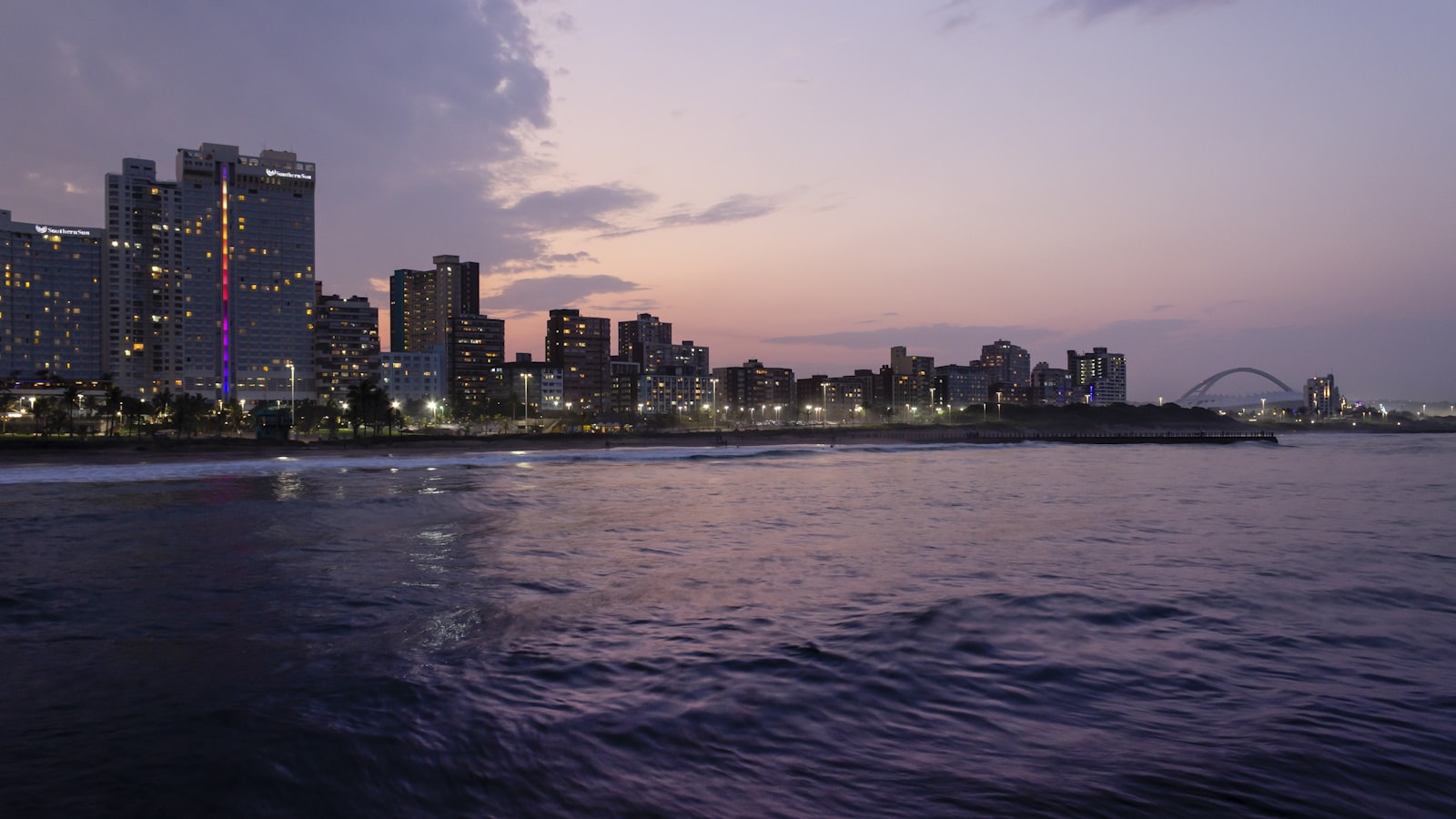
Durban has become the epicentre. Over recent weeks, mobs targeting foreigner-owned shops and homes have warned migrants to leave, and the African Diaspora Forum, a Johannesburg-based migrant-rights body, says the situation is hardening into something worse. "We are already witnessing what appears to be a developing humanitarian crisis in Durban, where reports indicate that some Malawians have been killed, while many others have fled threats and attacks, and are now sleeping in the open," the forum's spokesperson, Bongani Mkwananzi, told The Citizen. More than 9,000 foreign nationals have already been moved out of a single repatriation site at the Durban Drive-In.
The fear is not abstract. A Nigerian shopkeeper in the city told the paper he would not leave but would lock his doors on June 30 and sit inside with his family. "To be honest, we are living in fear, but we believe the government will be able to control the situation," he said. A Congolese trader said simply that he would not open at all. A Malawian woman renting a house near Midrand said that after many years in the country, she was experiencing such dread for the first time, and that if the violence reached her street, she would call her embassy and go.
The Kenyans Who Are Watching
Kenya's community has so far avoided the worst of the attacks, but it has not avoided the anxiety. In a memorandum presented to the Kenyan High Commission in Pretoria, the lobby group Kenyan Diaspora in South Africa, known as KEDASA, said at least 50 Kenyans had asked to be helped home, citing fear for their safety, lost jobs and deepening vulnerability, the Daily Nation reported. The group's secretary-general, William Thegeya, said the requests had come from Kenyans scattered across the Eastern Cape, Western Cape, KwaZulu-Natal, Gauteng, Mpumalanga, the North West and Northern Cape — almost every province where Kenyans have settled.
Their asks are modest and practical: an emergency framework for voluntary return, help with travel documents for those whose papers have expired or been lost, and safe passage home. Many, KEDASA said, simply cannot afford the airfare. The High Commission, which in early May urged Kenyans to stay vigilant, carry identification at all times and avoid areas where demonstrations might erupt, has reportedly agreed to assist those who register — though the next steps remain unclear.
A Deadline With No Legal Force
What makes the June 30 ultimatum so unsettling is precisely that it belongs to no statute. South Africa has every sovereign right to police its borders, and even migrant advocates concede as much. But the deadline was set not by the state but by citizen-led campaigns that have increasingly blurred the line between protest and vigilantism. Al Jazeera reported that small but organised groups had issued the ultimatum — a demand with no legal basis — even as parties such as the Patriotic Alliance, ActionSA and the Umkhonto we Sizwe party of former president Jacob Zuma have folded anti-migrant language into their platforms ahead of local elections on November 4.
The economics underneath are familiar. South Africa's unemployment sits above 30 percent, and foreigners are a convenient explanation for jobs that do not exist and services that have frayed. The country has been here before: anti-migrant riots killed 62 people in 2008 and at least a dozen in 2019. Each time, the violence subsided; each time, the underlying grievance did not.
The State's Uneven Answer
Officially, the government is preparing. The acting police minister, Firoz Cachalia, said the police service had "elevated its operational readiness across all provinces," and the defence minister, Angie Motshekga, said the military would secure strategic sites such as airports and stand ready to back up the police. But the African Diaspora Forum argues that the show of force is not matched by clarity. Mixed messaging from public figures — calls for calm laced with statements that seem to endorse a mass departure of foreigners — risks "emboldening individuals who may believe they have a mandate to take the law into their own hands," Mkwananzi warned.
For Kenyans, that ambiguity is the hardest part. They are not the primary target of the marches, and many have lived peaceably among South Africans for a decade or more. Yet the logic of a mob does not check passports, and a community that is broadly documented can still be swept up in a panic aimed at those who are not.
What Home Would Have to Offer
Repatriation is rarely a clean homecoming. The Kenyans now weighing a return left for reasons that have not disappeared — scarce work, thin opportunity, the same pressures that push hundreds of thousands into the diaspora each year. To come back is to re-enter that economy, often with less than they arrived in South Africa carrying. It is why KEDASA's request is framed around the word "voluntary," and why the number who have formally asked for help — 50, for now — is far smaller than the 27,000 who could.
For the next week, most will do what the shopkeepers of Durban plan to do: lock the door, stay close to family, keep a phone charged and the embassy's number saved. The bus that left Pietermaritzburg on Monday was full of Malawians. Whether Kenyans will need their own remains, for now, an open and uneasy question — one that Nairobi, watching from a safe distance, may soon have to answer.