The Stadium Where Home Runs Fast: How a Stockholm Diamond League Night Reaches Kenya's Nordic Diaspora
As Emmanuel Wanyonyi, Faith Cherotich and a field of Kenyan stars race the BAUHAUS-Galan tonight, the Kenyans who built lives across the Nordics find a piece of home under the Swedish summer sky.
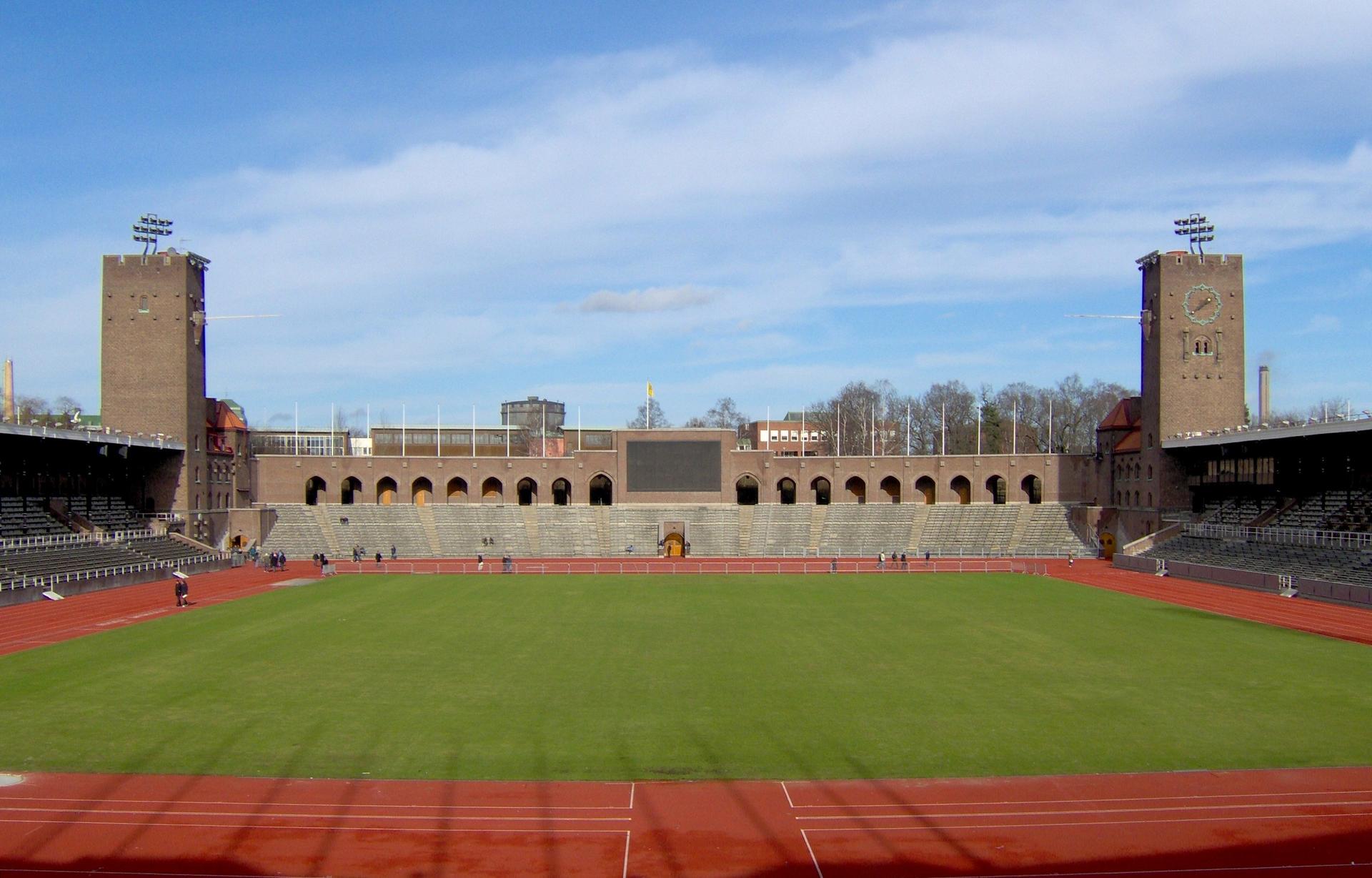
Tonight, as the long Nordic evening refuses to darken, the floodlights will rise over a stadium that has stood in Stockholm's Ostermalm district since 1912. The BAUHAUS-Galan — the meeting older Swedes still call the DN Galan — is the fifth stop of the 2026 Wanda Diamond League, and the red-brick towers of the Stockholm Olympic Stadium will frame some of the fastest people on earth. For the Kenyan families scattered across Sweden, Norway, Denmark and Finland, the night offers something quieter than a sporting spectacle: a few hours when home comes to them, wearing a vest in red, white, green and black.
A Kenyan night in a Swedish stadium
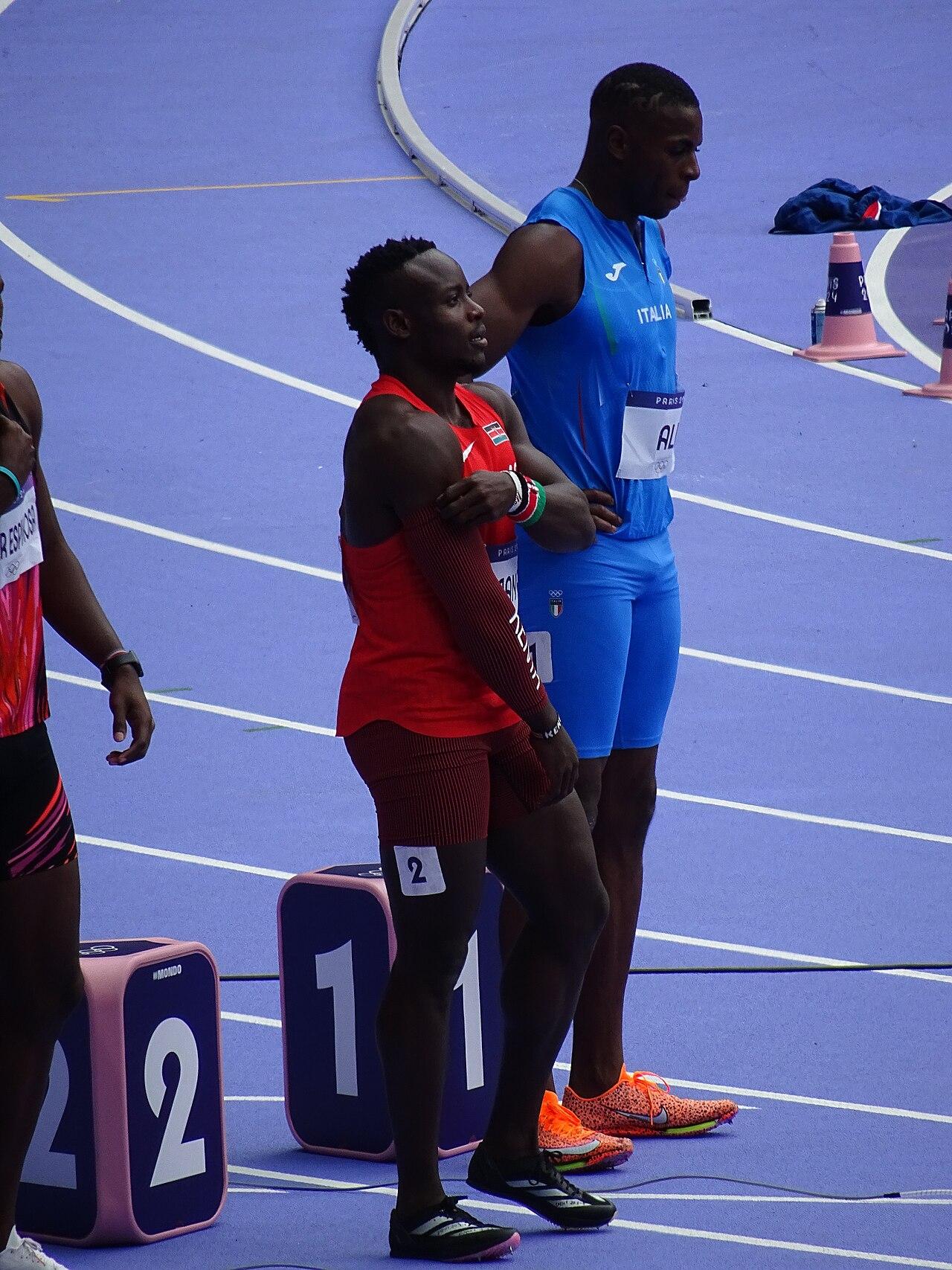
The start lists read like a roll call of Kenyan ambition. Emmanuel Wanyonyi, the reigning Olympic and world 800m champion, headlines the two-lap race against the American teenage sensation Cooper Lutkenhaus, Canada's Marco Arop and Algeria's Djamel Sedjati. In the women's 3000m steeplechase, Faith Cherotich — who climbed to the top of the world podium in Tokyo last year — lines up among the favourites. Nelly Chepchirchir, a world 1500m finalist, is on the entry list in the metric mile, the event Kenya has owned for generations.
By Kenyan time the action builds through the evening: the women's steeplechase is scheduled for around 6:17pm, Wanyonyi's 800m near 6:36pm, and the men's 1500m closes the night close to 7:51pm. Those are the hours when, eight time zones folded into three, the races will play live on screens from Kayole to Kisumu and, just as surely, in apartments in Rinkeby, Tensta and the quieter suburbs of Gothenburg and Oslo.
The stadium that keeps the records
Stockholm's stadium carries a particular claim on athletics history. More world records have fallen on its track than at any other venue on earth — eighty-three by one widely cited count. Kenyans have written their share of those lines. The meeting, held every year since 1967 and part of the Diamond League since 2011, has long been a waypoint on the European summer circuit, the place where East African distance runners sharpen their early-season form before the championship months arrive.
The arena itself is a relic that refuses to retire. Designed by the architect Torben Grut and opened for the 1912 Olympic Games, it is one of the smallest athletics stadiums ever used at a Summer Olympics, and its intimacy is the point: spectators sit close enough to hear the runners breathe. For a diaspora that measures the year partly by the racing calendar — who is fit, who is peaking, who has slipped — the Stockholm date is a fixture as reliable as the solstice that keeps tonight's sky pale until almost midnight.
The Nordic Kenyans in the stands
The crowd beneath the floodlights will not be entirely Swedish. Over the past two decades a steady Kenyan community has put down roots across the Nordic countries — nurses and care workers, students, engineers, small traders, and the families who followed them north. They are a smaller, less-talked-about branch of the diaspora than the larger communities in the United States or the United Kingdom, but they are growing, and they are organised.
That much will be visible in three weeks. On 27 June, Kenyans from Sweden, Denmark, Norway, Finland and Iceland will converge on Stockholm for the annual Kenya Cultural Day, a gathering that has grown into one of the community's biggest dates of the year — a day of food, music, language and the business of staying Kenyan in a place where summer behaves strangely and winter tests the resolve of anyone raised near the equator. A Diamond League night in their adopted city, with their compatriots on the track, is a natural rehearsal for that homecoming-in-miniature: a reason to wave the flag in public, to explain a steeplechase to a Swedish colleague, to feel the distance to Nairobi shrink for a couple of hours.
More than a race
It is tempting to treat a Tuesday-night track meeting as light relief, and tonight will have its share of pure entertainment. The loudest cheers will be Swedish, reserved for the home favourite Mondo Duplantis, the Olympic pole vault champion and serial world-record breaker who arrives fresh from a win in China to face Sam Kendricks and his boyhood idol Renaud Lavillenie. The men's 3000m steeplechase promises its own drama, with world champion Geordie Beamish, Olympic champion Soufiane El Bakkali and the world-record holder Lamecha Girma renewing a rivalry that lit up last year's championships.
But for Kenyan viewers the stakes run deeper than the standings. Distance running is one of the few arenas in which a small East African nation is unambiguously the best in the world, and that pre-eminence has long been a source of collective pride that travels well. Many of the athletes on the track were raised in households sustained, at least in part, by money sent home from relatives abroad — the same remittance economy that underpins so much of diaspora life. When Wanyonyi drives off the final bend, the people watching in a Stockholm living room are not only fans. They are, in a sense, stakeholders.
What to watch for tonight
The 800m is the marquee Kenyan event. Wanyonyi has spent the season fending off a generational shift in the two-lap race, and Stockholm offers a measuring stick against the strongest field he has met all year. In the steeplechase, Cherotich must answer the perennial question of the post-title season — whether a world champion can carry the weight of the crown through the long Diamond League grind. And in the 1500m, Kenya's depth will be on display as the country tries to reassert itself in an event that has slipped, at times, from its grasp.
None of it is guaranteed. The European circuit is unforgiving, and early-summer form can flatter or deceive. A bad night in Stockholm, as Kenyan fans were reminded in Rome only days ago, is part of the bargain. But that uncertainty is exactly what will draw the Nordic Kenyans to their screens and, for some, to the stadium gates: the chance to watch, in real time, the outcome no one yet knows.
When the last race is run and the pale sky finally begins to dim, the diaspora in Stockholm will file out into a Swedish summer night that looks nothing like home. For a few hours, though, under lights that have witnessed more than a century of running, it will have felt a little like it.