Ten Teams, One Continent: How Africa's Record World Cup Reaches a Diaspora Spread Across America and the Gulf
For the first time, ten African nations will walk out at a World Cup. For millions in the diaspora, the tournament that opens this week is a mirror held up to home.
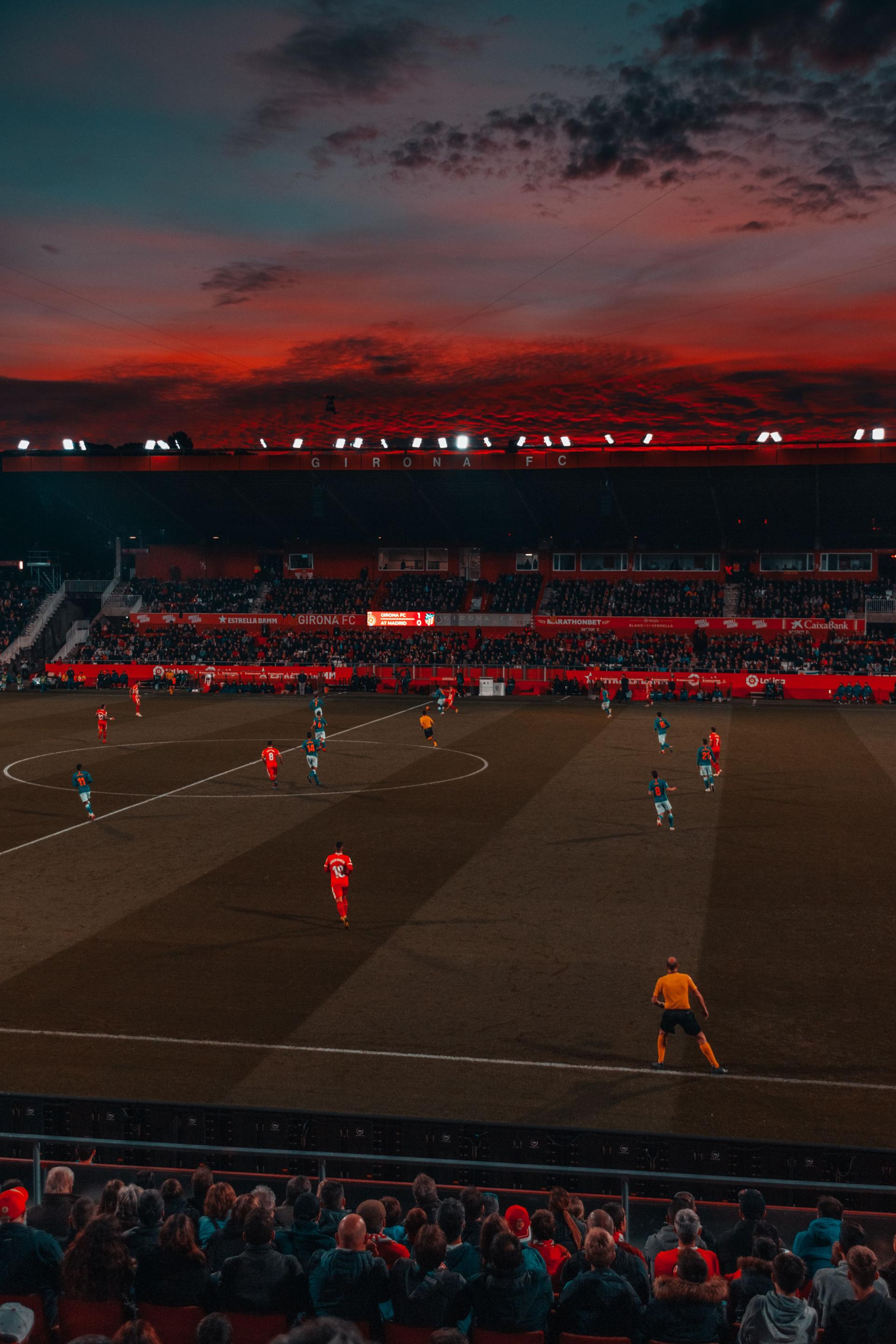
In a sports bar on the edge of Atlanta, a city that will host World Cup matches this summer, the television screens have already started counting down. A few tables of Senegalese and Ghanaian regulars have taken to arriving early, claiming the corner near the biggest screen, debating group-stage permutations over plates of jollof and fried plantain. None of their flags is the Kenyan flag — Kenya did not qualify — yet the Kenyan engineer who joins them most Friday nights says he will be in that corner anyway. For him, as for a great many Africans living far from the continent, the tournament that kicks off on June 11 is less about a single national team than about a number that has never appeared on a World Cup wall chart before.
That number is ten.
A Number That Has Never Happened Before
When the expanded, 48-team FIFA World Cup opens across the United States, Canada and Mexico, Africa will be represented by a record ten teams. It is the largest African contingent in the history of the tournament, and it is the direct product of FIFA's decision to grow the World Cup from 32 nations to 48, a change that lifted the continent's guaranteed allocation from five places to nine, with a tenth earned through an intercontinental play-off.
The qualified sides read like a survey of African football's established powers and its rising outsiders: Senegal, Morocco, Egypt, Ghana, Algeria, Tunisia and Côte d'Ivoire — names familiar from past tournaments — alongside South Africa's return and, most strikingly, Cape Verde, the small Atlantic island nation reaching its first World Cup. The Democratic Republic of Congo completed the ten, securing the final berth through the intercontinental play-off route after a narrow extra-time win, returning the Leopards to the global stage for the first time since 1974.
For supporters who grew up watching only a handful of African flags at each World Cup, the jump is emotional as much as statistical. It widens the odds that, somewhere in the bracket, a team a fan can claim as their own will still be playing deep into July.
The Long Road to Ten
The expansion did not arrive without argument. Critics of the 48-team format have warned that a larger field risks diluting the tournament and rewarding quantity over quality. African football administrators have answered that the continent, which sends dozens of nations through a gruelling multi-year qualification process, has long been under-represented relative to its footballing population.
What is not in dispute is what the extra places meant on the ground. Qualification campaigns that once ended in heartbreak for nations a single point short now ended in celebration. Cape Verde, with a population smaller than many African cities, turned a footballing fairy tale into fact. At the same time, traditional giants Nigeria and Cameroon both missed out, a reminder that history alone no longer guarantees a seat at the table.
For the diaspora, those campaigns were followed not in stadiums back home but on phones in night-shift break rooms, in WhatsApp groups spanning four time zones, and in living rooms where the commentary was in one language and the cheering in several.
Why the Host Country Changes the Story
This World Cup is unusual for African fans abroad in one decisive respect: a large share of the matches will be played in the United States, home to one of the fastest-growing African immigrant populations in the world. For once, the tournament is not an ocean and an inconvenient kick-off time away. It is down the interstate.
That proximity reshapes the experience. Host cities such as Atlanta, Houston, Dallas and the New York–New Jersey area sit at the centre of substantial West African, East African and Horn of Africa communities. Tickets, for those who can afford them, put fans in the same stands as relatives flying in from the continent. Even for those who watch from home, the shared time zone means games unfold in the afternoon and evening rather than the small hours — a small thing that changes how a family gathers around a match.
Kenyans in America, many of them clustered in metro areas that double as host markets, describe a tournament that feels closer to home precisely because home, this time, has come to them.
In the Gulf, a Different Kind of Watching
Several thousand miles east, the mood among Kenyan and broader African communities in the Gulf states is its own version of the same pride. Reports from diaspora outlets this week describe Kenyans across the Gulf celebrating the record African presence at the tournament, gathering in cafés and shared accommodation to mark a continent's collective arrival on the sport's biggest stage.
The Gulf watching experience carries a particular texture. Many in these communities are migrant workers on demanding schedules, and the matches — played in North American evenings — will land in the small hours of a Gulf morning. The viewing is communal by necessity and devotion: a borrowed screen, a shared pot of tea, a quiet roar muffled so as not to wake a sleeping roommate before an early shift.
What unites the Atlanta sports bar and the Abu Dhabi flat is not a single team but a single sentiment. Ten African flags at a World Cup is read, in both places, as a statement that the continent belongs at the centre of the global game, not at its margins.
What the Diaspora Sees in the Mirror
There is a reason a Kenyan fan with no team in the tournament still plans to watch every African match. For diaspora communities, national football has always carried meaning beyond sport. It is one of the few arenas where the continent competes with the world on equal, measurable terms, and where a victory is felt instantly across borders that immigration systems otherwise make hard to cross.
A record African field amplifies that feeling. It means more matches in which a relative, a neighbour from the old country, or simply "an African team" is on the field. It means more chances for the kind of result — a giant toppled, a debutant advancing — that gets replayed in family group chats for years. And it means the children of the diaspora, growing up with American or British or Gulf accents, will see a version of the continent on the world's biggest sporting stage that looks expansive rather than token.
The Tournament as Homecoming
The 2026 World Cup runs from June 11 to July 19, the longest and largest in the tournament's history. By the time it ends, most of the ten African sides will likely have been eliminated; the brutal arithmetic of a knockout competition guarantees it. But the diaspora's investment was never really contingent on a trophy.
For the engineer in Atlanta, the nurse in the Gulf, and the millions like them scattered across host cities and distant time zones, the record itself is the milestone. Ten teams, one continent, on screens that for once are tuned to a tournament unfolding much closer to where they now live. When the first African side walks out under the lights this summer, a great many people who will never set foot in the stadium will nonetheless feel, for ninety minutes, that they are home.