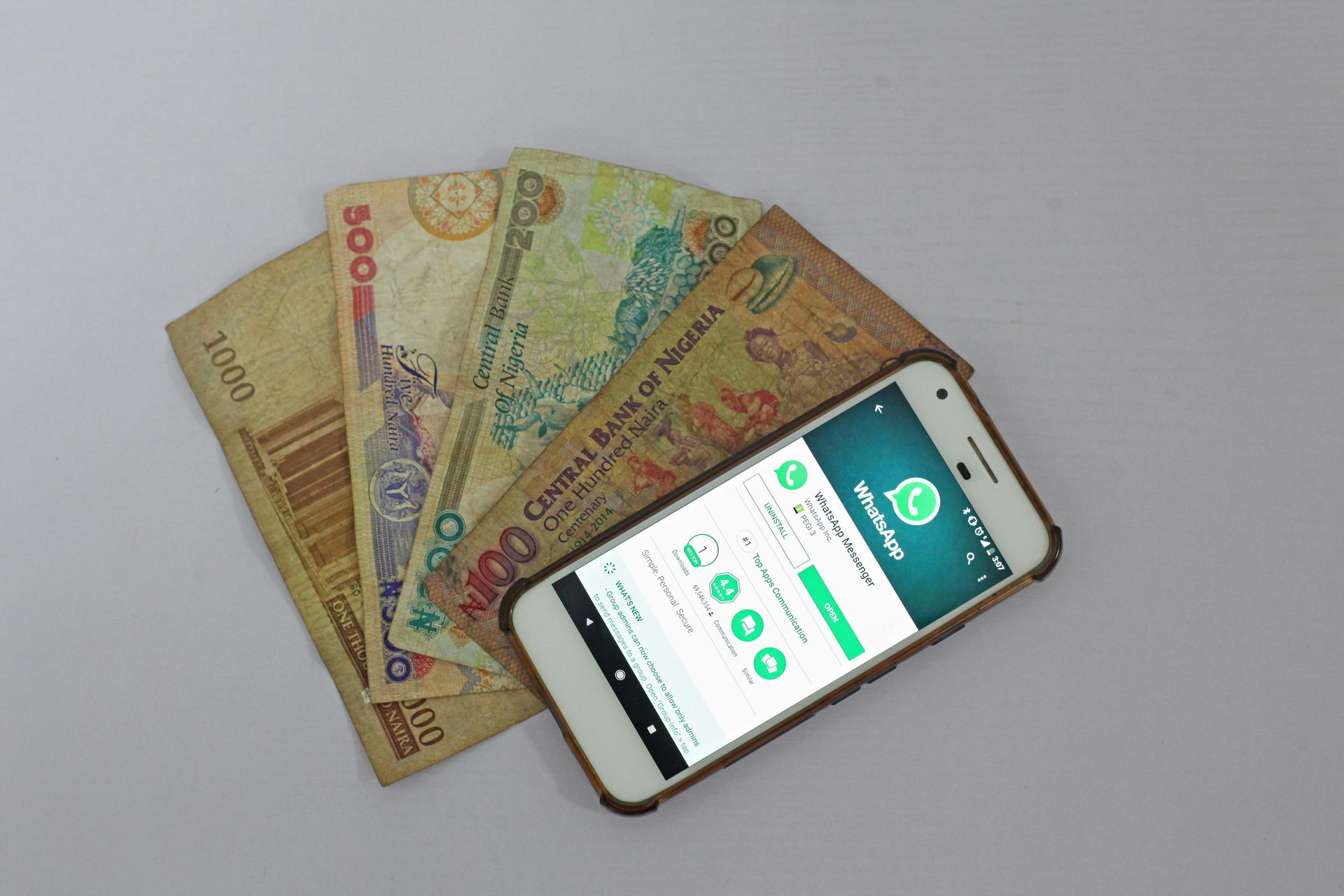
The Battery Beneath the Boda: How Spiro's $270 Million Bet Touches the Diaspora Families Who Bought a Motorcycle Back Home
A Kenya-based startup has closed one of Africa's largest electric-mobility rounds. For the diaspora who buy relatives their first motorbike, the petrol-to-electric shift is quietly personal.
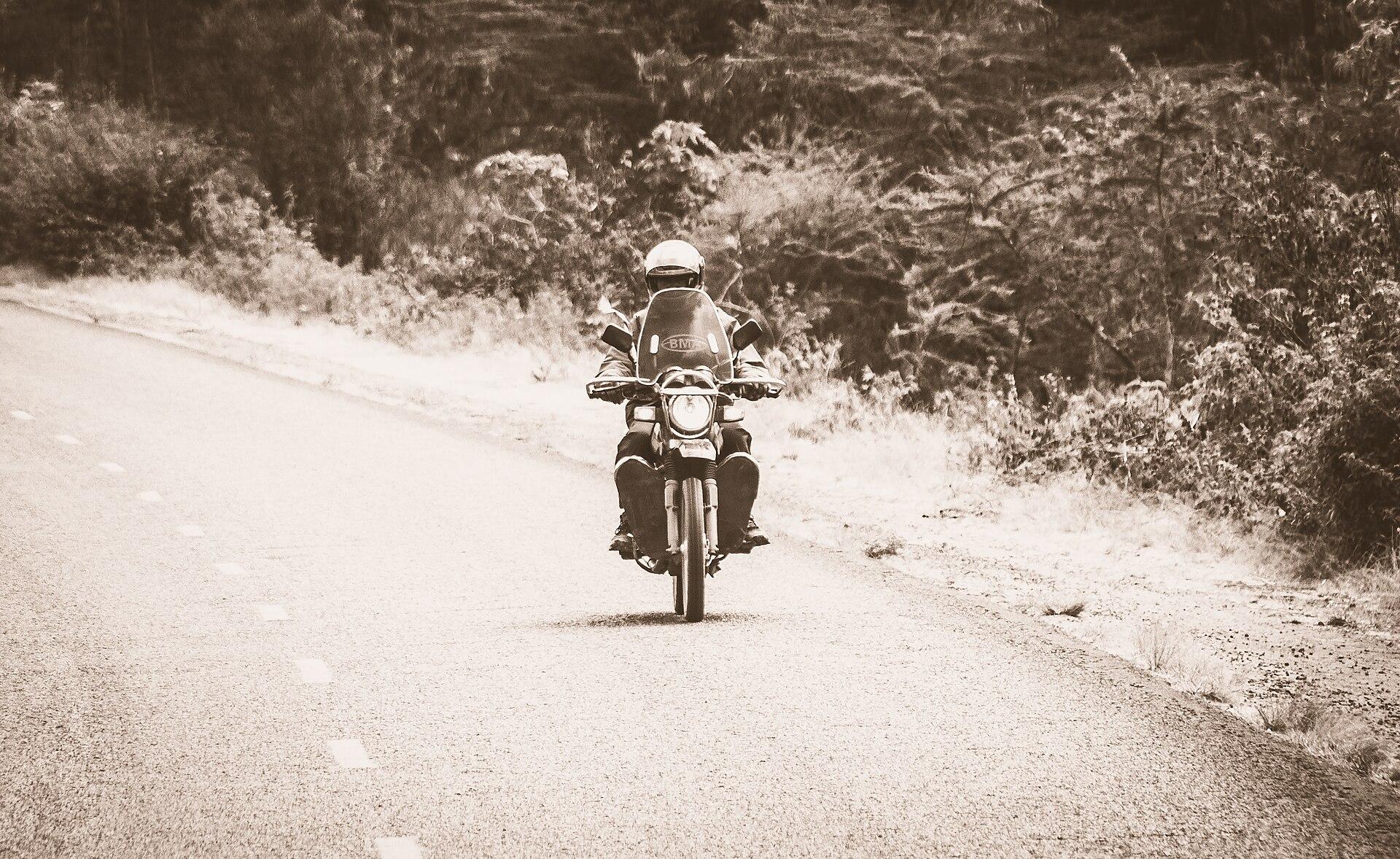
On most mornings in Nairobi's Eastlands, the working day begins with the cough of a small petrol engine. A boda boda rider — one of the hundreds of thousands of motorcycle-taxi operators who keep Kenya's towns and rural roads moving — wheels his machine out, glances at the fuel gauge, and runs the same arithmetic he runs every day: how many fares before the petrol is paid for and the money finally becomes his.
For a growing share of those riders, the machine beneath them was not bought with their own savings. It was bought with money wired home — by a sister in Dallas, a cousin in Manchester, an aunt in the Gulf — as a deliberate attempt to turn a remittance into a livelihood rather than a single month's groceries. That quiet circuit, money flowing one way and income flowing back, is why a funding announcement from Africa's electric-mobility sector this week reaches further than the boardroom.
A $270 million round, closed in stages
Spiro, a Kenya-based company that describes itself as Africa's largest electric-mobility operator, said it had taken a further $55 million from NewTrails Capital, a Chinese growth-stage fund with offices in Shanghai, Shenzhen and Nigeria, closing its latest round at $270 million. The new capital builds on a $215 million raise reported earlier in June that drew in backers including Impact Fund Denmark and the investment vehicle Equitane. By Spiro's own accounting, it has now raised more than $552 million since 2022.
The scale the company claims is considerable: over 95,000 electric motorcycles on the road, more than 2,500 battery-swapping stations, upwards of 30 million completed swaps and more than a billion kilometres travelled. Its founder, Gagan Gupta, who also chairs Equitane, framed the NewTrails deal as "a powerful new chapter" ahead of what he called pan-African and international expansion. The company operates in seven markets today — Kenya, Uganda, Nigeria, Rwanda, Togo, Cameroon and Benin.
Why the diaspora is already in this story
The product Spiro sells is easy to describe, and for the rider that simplicity is the entire pitch. Rather than buying a motorcycle with a fixed battery and waiting hours to charge it, a rider pulls into a station, exchanges a drained pack for a full one in a couple of minutes, and pays for the energy used. Most Spiro vehicles, the company and trade outlets report, are ridden by boda boda operators — the same informal transport economy that diaspora money so often quietly seeds.
No official register counts how many of Kenya's motorcycles were bought with remitted cash. But the pattern is familiar to anyone who has sent money home. A motorcycle is one of the few purchases a family abroad can fund once and watch earn for years: a relative who could not find formal work is handed a way to charge fares the same week the money lands. When the running costs of that asset change, the people who paid for it have a stake in the outcome, even from thousands of kilometres away.
The arithmetic of a swap versus a tank
The case for going electric, as Spiro and similar operators tell it, rests on running costs. Petrol prices in Kenya have lurched up and down for years, and every shilling at the pump is a shilling subtracted from a rider's daily take-home. Swapping a battery, the argument goes, makes that cost steadier and, over time, lower, while sparing the rider the dead hours a fixed battery would spend charging.
The promise deserves a careful reading rather than applause. What a rider actually pays per swap, how that compares with petrol on a given route, and how battery-rental terms are structured all vary, and independent figures are still thin. For a family deciding whether to fund a petrol bike or an electric one, the honest summary is that the electric model shifts a volatile fuel bill toward a more predictable energy bill — a real change, but one whose size depends on local pricing that is still settling.
Foreign capital, and a question for those abroad
There is an irony worth sitting with. Kenyan households received roughly 932 billion shillings from relatives abroad in the twelve months to May 2025, a record, with the United States the largest single source at about 43.5 percent, followed by Germany and Australia. Diaspora money is, in aggregate, one of the country's largest and most reliable inflows. Yet the nine-figure equity cheques powering Kenya's most prominent electric-mobility company are being written in Copenhagen and Shenzhen, not by the diaspora whose remittances helped put many of these riders on the road in the first place.
That gap is partly structural. Sending money to a named relative is straightforward; buying a stake in a fast-scaling private company from abroad is not. The contrast has sharpened this year, after a new one percent United States excise tax on remittances took effect and Kenya's diaspora inflows dipped — falling about 3.8 percent year-on-year in January — prompting fresh conversation about channelling some of that money into assets that compound rather than payments that are spent.
What the money does not yet solve
A large round is not the same as a solved problem. Spiro's footprint, for all its growth, still spans seven countries, and swap-station density thins quickly outside major towns — precisely the rural areas where many remittance-funded riders work. Electrification also leans on grids that are not uniformly reliable. Riders financing a machine on credit carry real risk if income or terms shift. And while one outlet reported the company is approaching a billion-dollar valuation, such figures are best treated cautiously until confirmed more widely. The fresh reliance on Chinese capital and supply chains, welcomed by the new investor, also ties the venture's fortunes to decisions made far from the markets it serves.
What to watch from here
For the family that wired money home for a motorcycle, the questions are concrete. Will swap stations reach the smaller towns and rural routes where their relative actually rides? Will the running-cost savings prove durable once the launch pricing of a growth phase gives way to steady-state economics? And might the day come when the diaspora is invited to own a piece of the network rather than only to fund the riders who use it?
None of that is settled by a single funding round. But the money moving into Africa's electric two-wheelers is, increasingly, money chasing the same vehicles that diaspora remittances have been buying all along — which makes this a story the people who sent that money have every reason to follow.