The Rails Beneath the Remittance: How Kenya's Mobile-Money Surge Is Quietly Rewiring the Diaspora's Lifeline Home
Kenya added two million mobile-money accounts in a single quarter. For the families abroad who keep the money flowing, the country's digital plumbing is changing under their feet.
A Sunday-Night Ritual, Eight Time Zones Apart
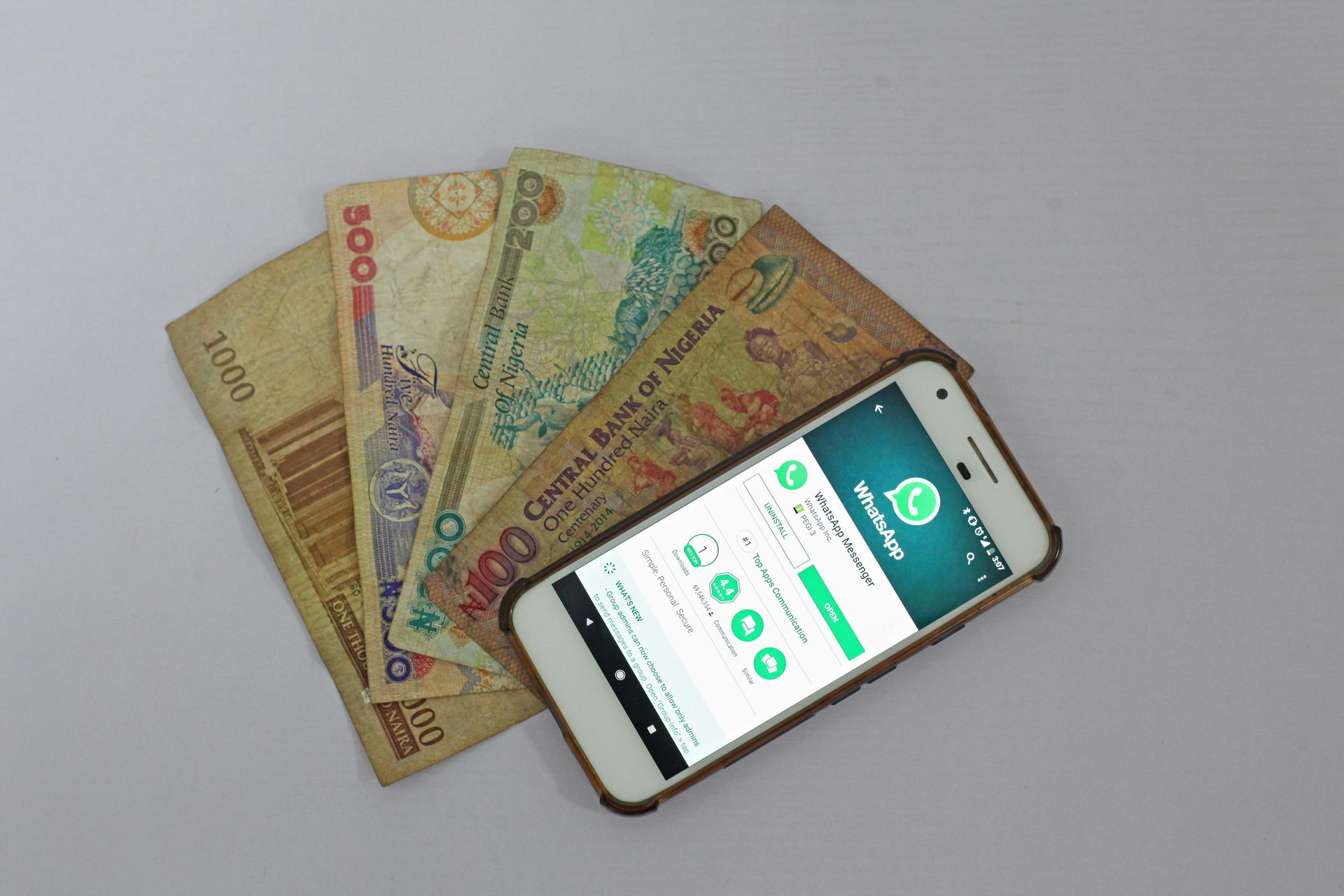
The transaction takes less than a minute, and it almost always happens on a Sunday. In a kitchen in suburban Dallas, after the dishes are done and before the week starts again, a Kenyan nurse opens an app on her phone and sends a few hundred dollars to her mother in Murang'a. By the time she has set the phone down, the money has already landed — not in a bank branch that opens on Monday, but in a green-and-white mobile wallet that never closes.
That small, almost invisible act, repeated millions of times a month from Atlanta to Manchester to Doha, is the human face of a statistic that landed this week with little fanfare back home. Kenya's mobile-money system is growing faster than at almost any point in its history, and the rails that carry the diaspora's money are being rebuilt in real time. For the Kenyans abroad who keep those rails busy, the changes are easy to miss — until the app logs you out, or the family back home asks why the money arrived differently this time.
Two Million New Wallets in Ninety Days
The headline number comes from the Communications Authority of Kenya, whose sector statistics for the third quarter of the 2025/26 financial year — covering January to March 2026 — show mobile-money subscriptions climbing from 51.4 million to 53.4 million. That is a 3.9 percent jump in a single quarter, or roughly two million new accounts added in about ninety days.
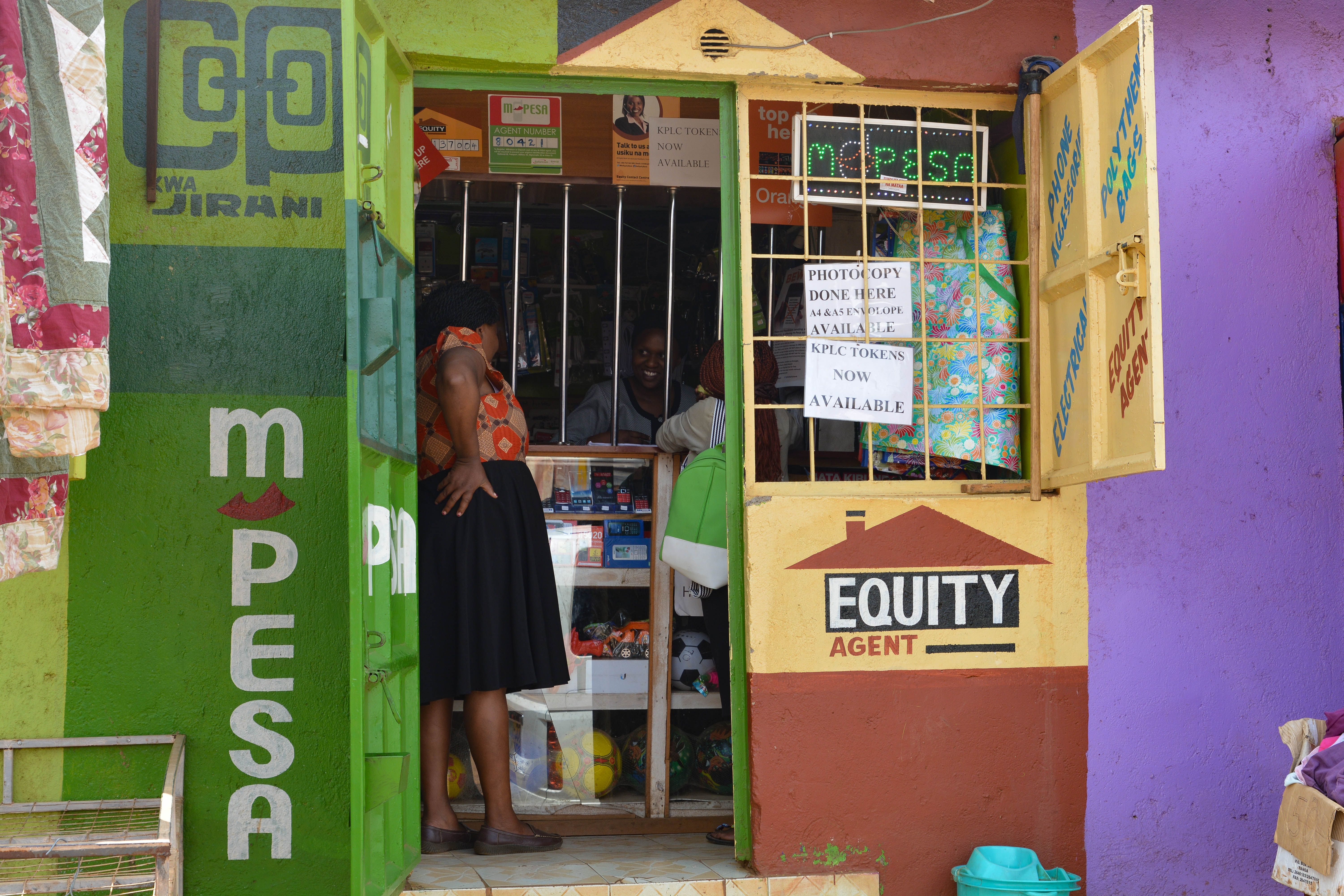
Behind the customer figures sits an even sharper expansion of the human network that makes mobile money work. The number of registered mobile-money agents grew from 501,399 to 602,470 over the same three months, a 20.2 percent increase that put more than 100,000 new agents on street corners, in kiosks and behind shop counters across the country. Those agents are the cash-in, cash-out points where a remittance sent from abroad finally becomes school fees, rent or a sack of maize.
Safaricom, whose M-PESA platform has been synonymous with Kenyan mobile money for nearly two decades, still dominates that landscape, accounting for 89.1 percent of all mobile-money subscriptions. For the diaspora, that concentration is less an abstraction than a fact of daily life: when a family member abroad sends money home, the odds are overwhelming that it lands inside the M-PESA ecosystem at one end or the other.
The Pipes Get an Upgrade
What makes this quarter different is not only that more people signed up, but that the underlying machinery was rebuilt to carry them. Safaricom has pointed to its M-PESA Fintech 2.0 platform upgrade as the engine behind the growth, an overhaul designed to handle far higher transaction volumes and to make room for a widening menu of financial products.
The scale that upgrade now supports is hard to overstate. Across its 2026 financial year, Safaricom says the Kenyan ecosystem processed roughly 46.41 billion transactions worth about 41.68 trillion shillings. Crucially, that traffic is dominated by tiny payments: some 17.1 billion so-called Kadogo transactions, accounting for 36.8 percent of all M-PESA volumes, reflect the small, high-frequency sums that households and informal businesses move every day to keep cash flowing.
The platform is also stretching beyond simple transfers into savings and investment. The Ziidi money-market fund has drawn around 7.7 million opt-ins, with 2.42 million active subscribers and assets under management of roughly 19.8 billion shillings, making it the largest investment product inside the M-PESA family. For a diaspora that has long complained about how hard it is to invest back home from afar, the quiet emergence of app-based funds and trading tools is a development worth watching, even if the products are still aimed mainly at residents.
Why the Diaspora Should Care
The reason all of this matters beyond Nairobi is money — specifically, the money Kenyans abroad send home, which has become one of the country's most dependable sources of foreign exchange. The Central Bank of Kenya entered 2026 projecting diaspora remittances of around 5.24 billion dollars, or roughly 676 billion shillings, before trimming that forecast by about 40 billion shillings on expectations of softer inflows from the Gulf, leaving a still-substantial estimate near 5.1 billion dollars for the year.
The monthly rhythm tells the same story. Remittances reached about 450.3 million dollars, or 58.15 billion shillings, in March 2026, while February brought in 412.7 million dollars, an eight percent rise on the same month a year earlier. The single largest source of those inflows remains the United States, home to the biggest concentration of Kenyans abroad, which is why a Sunday-night transfer from Texas is less an anecdote than a load-bearing part of the national balance sheet.
As more of that money travels through mobile wallets rather than over a bank counter, the health of Kenya's mobile-money rails becomes a direct concern for the people sending it. A faster, higher-capacity platform means transfers that clear in seconds and reach even relatives in places a bank branch never will. It also means the diaspora's billions are increasingly entangled with the same system that a market trader in Gikomba uses to buy stock — a shared piece of infrastructure that now carries both.
The Friction That Remains
For all the growth, the diaspora's relationship with these rails is not frictionless, as an episode earlier this year made plain. When Safaricom rolled out a major update to its My OneApp earlier in 2026, many users abroad found themselves abruptly logged out and unable to get back in, with the app demanding a Safaricom network connection that roaming customers simply could not provide. "You have logged out all of us," one user complained at the time, asking what was meant to happen to the money already sitting in their wallet.
Safaricom's eventual guidance — insert the Safaricom SIM as the primary line, switch on roaming, and use mobile data rather than Wi-Fi for that first login — solved the problem for some, but underlined how much of the system is still built around a customer physically present in Kenya. For a diaspora that may have left its Kenyan SIM in a drawer years ago, even a small design assumption can stand between a worried son in London and the savings he has parked back home. The Gulf-driven cut to the remittance forecast is a reminder, too, that the flows are sensitive to conditions in the very countries where many Kenyans work.
What Comes Next
The trajectory, though, is clear enough. With two million new accounts in a quarter, a rebuilt platform and a fast-growing agent network, Kenya is deepening a financial system that the diaspora helped make indispensable in the first place. The next test is whether that system can be made to feel as native to a Kenyan in Minneapolis or Birmingham as it does to one in Nakuru — whether the rails being laid at home will finally be designed, end to end, for the people sending money down them from abroad. For now, the Sunday-night ritual continues, one minute and a few hundred dollars at a time.