The Age Gate at the Family Table: How Britain's Under-16 Social Media Ban Will Reach Kenyan Homes
Britain will bar under-16s from TikTok, Instagram and X by 2027 — and the age checks meant to enforce it will reach into every Kenyan family living in the UK.
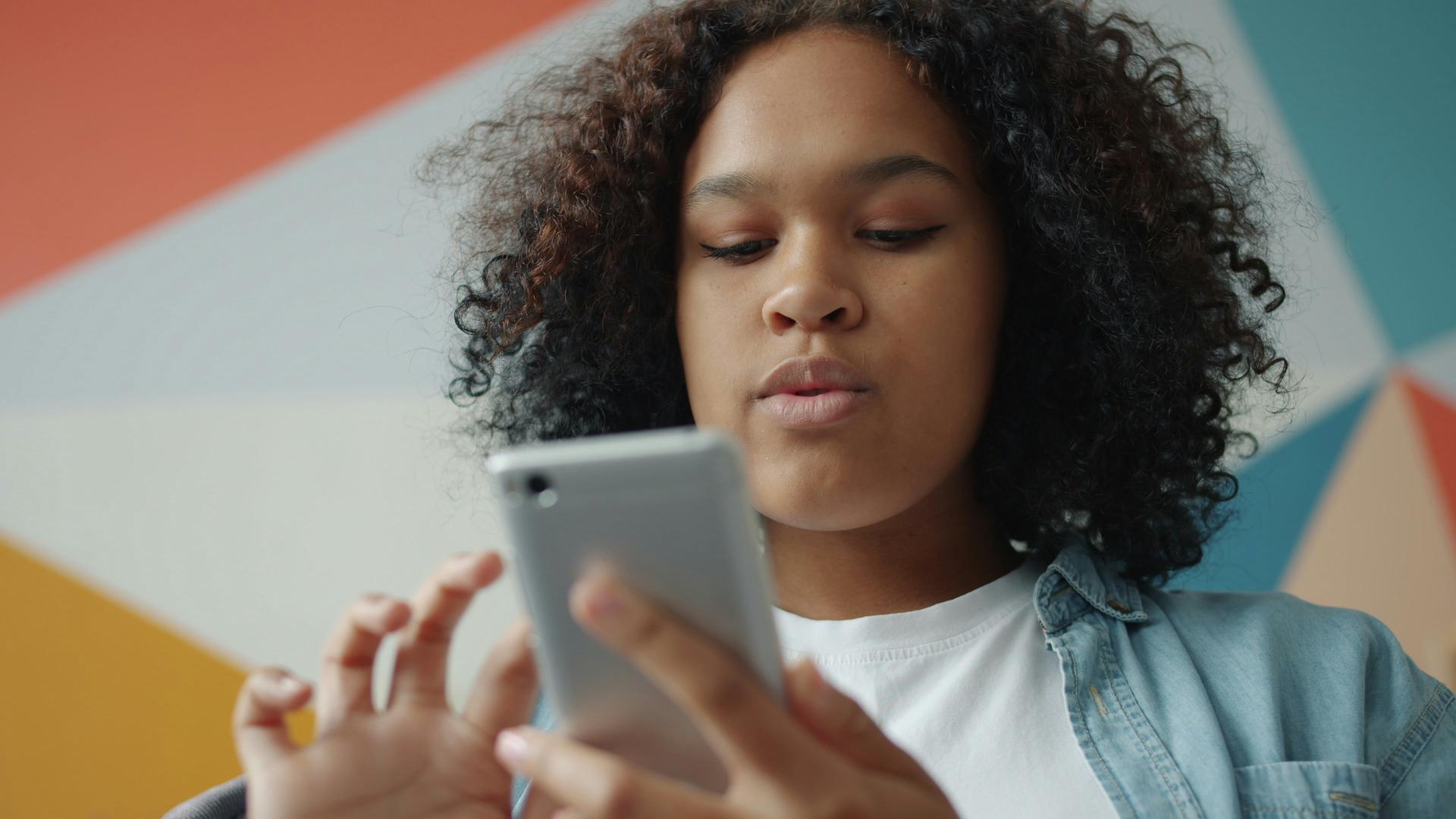
In a terraced house in Luton, where the smell of evening chai drifts past a teenager's bedroom door, a familiar negotiation plays out most nights: homework first, then the phone. For thousands of Kenyan families who have made England home, that small domestic bargain is about to be rewritten — not by parents, but by the British state. From the spring of 2027, the United Kingdom intends to lock anyone under the age of sixteen out of the platforms that have become the background hum of adolescence: TikTok, Instagram, Snapchat, YouTube, Facebook and X. The plan, announced in mid-June by Prime Minister Keir Starmer, is one of the most sweeping attempts by any Western government to police childhood online. And because of the way it will be enforced, it will not stay confined to the children it targets.
A Decision Made in Westminster, Felt in Every Home
When Starmer set out the proposal, he framed it less as a politician than as a parent. "Social media is making our children unhappy and unsafe, and as a parent, as much as a Prime Minister, I just can't let that go on anymore," he said as the government laid out its intentions. The argument rests on a now-familiar body of evidence linking heavy adolescent social media use to anxiety, disrupted sleep, cyberbullying and worse. Britain is following a path Australia cut first, becoming the second major democracy to translate that anxiety into an outright age limit rather than softer parental controls.
For the Kenyan diaspora, the British dimension matters more than most. The UK is home to one of the largest and longest-established Kenyan communities outside East Africa, concentrated in London, the Midlands, Manchester and towns like Luton and Reading. Many of those households are raising children who were born British or arrived young — teenagers for whom WhatsApp groups and TikTok feeds are how they stay tethered both to friends down the road and to cousins in Nairobi. A law written for British teenagers is, in practice, a law written for diaspora teenagers too.
What the Law Actually Says
The detail matters, because rumour travels faster than legislation. The ban would apply to under-16s and cover the major social platforms — TikTok, Snapchat, YouTube, Instagram, Facebook and X. Crucially, the government has signalled that private messaging services such as WhatsApp and Signal are not intended to be swept in, which means the channels most families use to call home should remain open. Ministers say decisive legislation will be brought to Parliament before Christmas, with the restrictions expected to take effect in the spring of 2027.
Enforcement is where the policy becomes ambitious. Rather than trusting children to enter an honest birth date, the rules would require platforms to verify the age of all their users, with significant penalties for companies that fail. The communications regulator, Ofcom, has been tasked with studying which age-assurance methods can be judged "highly effective," and is expected to publish its findings by October 2026. The methods under discussion include checks against government-issued identity documents, credit cards, or facial-estimation scans — a system that, by design, asks adults to prove their age as the price of letting children be kept out.
Why the Age Check Worries Immigrant Families
It is that last point that has stirred the most unease, and it lands with particular weight in immigrant households. Asking every user to confirm their age through official identity or a face scan is, critics argue, a form of mass age-checking that edges close to surveillance. For families whose relationship with documentation is more fraught — those still navigating settlement status, or simply wary after years of shifting immigration rules — the prospect of handing identity data to a social media company is not a small ask.
Diaspora parents are caught between two instincts familiar to anyone raising children far from where they grew up. Many welcome a firmer line on platforms they already distrust; the worry about what a thirteen-year-old encounters online is not culturally specific. Yet the same parents are conscious that any system built on identity verification can collect more than it protects, and that the burden of proving who you are tends to fall hardest on those who already feel watched. The policy, in other words, offers diaspora families both the reassurance they have asked for and a new anxiety they did not.
A Template the Continent Is Watching
Britain's move will not be read only in Britain. Across Africa, where internet access is expanding faster than almost anywhere on earth and where the median age is strikingly young, governments are watching how a wealthy democracy attempts to fence off childhood online. Kenya itself has wrestled repeatedly with questions of online speech, data protection and platform accountability, and a credible British model — or a visible British failure — will inform those debates.
The stakes are different back home. In Kenya, social media is not merely a teenage pastime; it is a marketplace, a newsroom and, for the diaspora, a lifeline. Small traders run businesses through Instagram and WhatsApp catalogues, activists organise on X, and families separated by oceans hold birthdays together over video. Any regulation modelled on the British approach would have to reckon with the fact that, for millions, these platforms are infrastructure rather than entertainment. What reads in Westminster as protecting children could read in Nairobi as restricting livelihoods, and the gap between those two readings is where the real argument will sit.
The Question Every Diaspora Parent Will Face
For now, nothing changes overnight. The legislation has not passed, Ofcom's technical verdict is months away, and the spring 2027 start date leaves room for revision, legal challenge and the quiet lobbying that always trails a bill this consequential. But the direction is set, and diaspora families have time to think through what it means for their own homes.
The deeper question the ban raises is one that does not belong to any single government. How does a family raise a connected child safely, when connection itself has become the thing in dispute? For Kenyan parents in Britain — and for the relatives back home who will inherit whatever model Westminster builds — the answer is no longer purely a private matter settled at the kitchen table. It is becoming a matter of law, of identity checks and regulators, of decisions made far from the bedroom door where the evening's negotiation still begins. The conversation about phones and childhood is the same one it has always been. The number of people now sitting at the table is what has changed.