The Phone That Could Cost a Visa: Why Kenyan Creators Heading to the World Cup Must Watch What They Post
As the 2026 World Cup opens across North America, US authorities warn that filming monetised content on a tourist visa counts as illegal work — and the rule lands hard on Africa's booming creator economy.

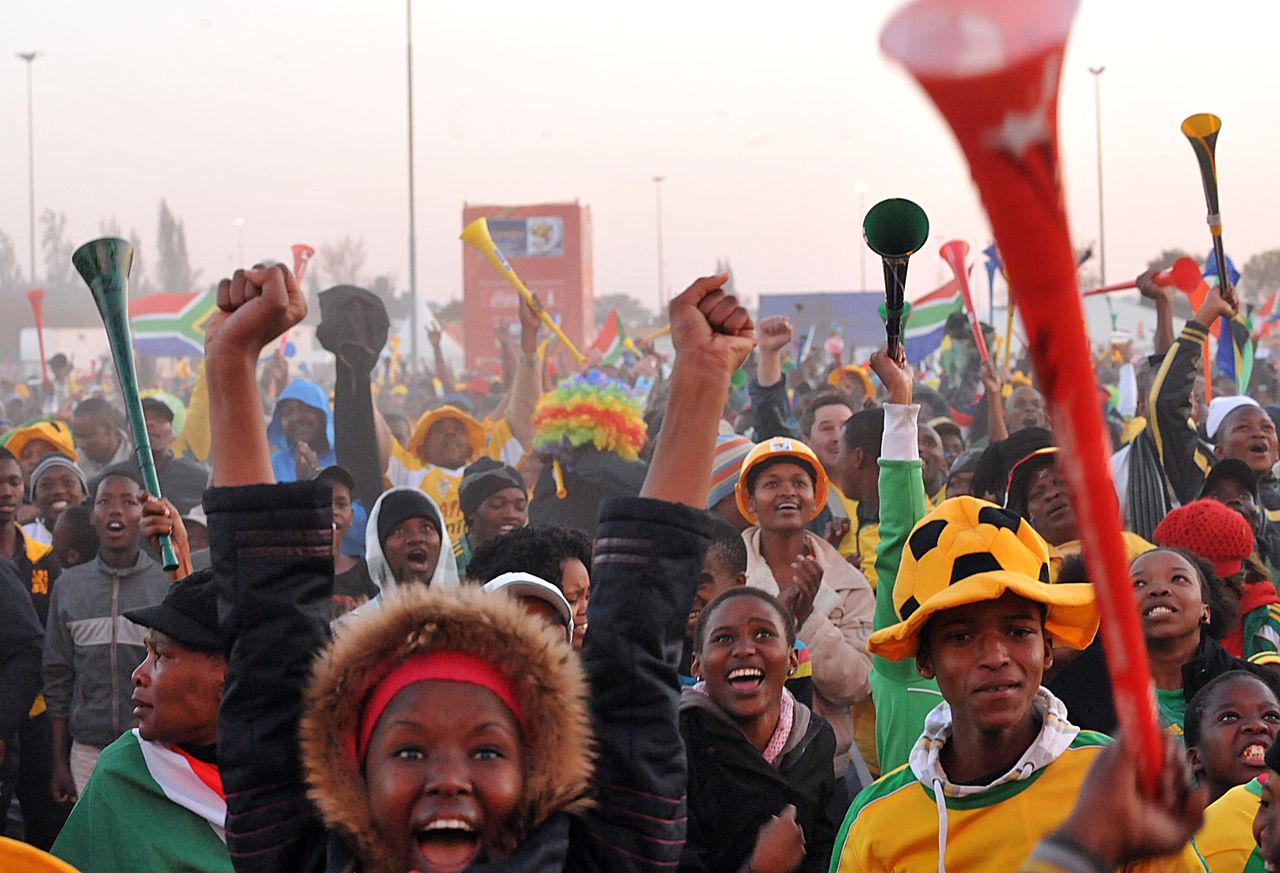
For thousands of young Kenyans, a trip to the 2026 World Cup was never going to be only about the football. It was going to be content. A phone raised over a stadium crowd in Los Angeles, a walking tour of a Nairobi-to-Atlanta layover, a reaction video shot from the stands as Harambee Stars fans sing in a foreign city — the kind of footage that, for a generation raised on TikTok and YouTube, is both a memory and an income stream. This month, the United States government sent a blunt message to anyone planning exactly that: be careful, or you may not get back in.
A warning aimed at the camera
As the tournament kicked off across the United States, Mexico and Canada, US Customs and Border Protection and the Department of Homeland Security told foreign visitors that producing monetised online content while in the country on a tourist visa can be treated as unauthorised work. The Spanish daily El País, which first reported the agencies' statement, quoted them as saying that coming to the United States with the sole purpose of creating content as an influencer, and earning from it while in the country, "is considered work and requires the appropriate visa."
The distinction matters because of how most travellers arrive. A visitor on a B-2 tourist visa — or, for eligible nationalities, a visa waiver — is admitted for leisure, family visits or medical treatment. What that status does not permit is employment, business activity or earning income from work performed on American soil. Filming a holiday is fine. Filming a holiday as a paid job, officials are now signalling, is not.
The consequences described are not trivial. Authorities warned that travellers who breach the terms of their admission could face visa cancellation, removal from the United States, and difficulties securing future travel approval. For a creator whose livelihood depends on crossing borders, a single flagged trip could close a market for years.
What the rule actually says — and doesn't
It is worth being precise, because online panic tends to outrun the facts. The agencies have not announced a new law, and casual filming by ordinary fans is not the target. The B-2 visa has always excluded paid work; what is new is the explicit warning that monetised influencing falls inside that definition, and the signal that enforcement will be sharper during a tournament expected to draw creators from every continent.
For those who genuinely intend to produce commercial content in the United States, officials pointed to a legitimate route: the O-1 visa, reserved for individuals with extraordinary ability in fields including the arts, business, science and sport. That category permits paid activity such as brand partnerships and commercial projects — but it is demanding to obtain, expensive, and far beyond the reach of a creator with a few hundred thousand followers and a return ticket.
Why now
According to a government source cited in the reporting, the Trump administration intends to step up scrutiny at airports and border crossings, with particular attention to foreign influencers who use tourist visas while producing content that earns significant sums. The stated rationale was "protecting American jobs." The same source offered a telling line about how violators are identified: "Their own videos give them away" — a reference to creators who narrate their visa journeys and document their travels for the very audiences that pay them.
That places the warning inside a wider pattern of tightening US entry rules that the diaspora has watched with growing unease. In recent weeks, Kenyan and broader African readers have followed reports of a crackdown on so-called birth tourism, a new paid fast-track charging roughly Ksh97,000 for expedited visa interviews, and the case of a Somali referee denied entry to officiate at the very tournament now under way. Each story, on its own, is narrow. Together they describe a border that is becoming more expensive, more discretionary and harder to read.
The African creator economy in the crosshairs
For Kenya, this is not an abstract policy debate. The country has one of the continent's most energetic digital-content scenes, and a rising share of young people now earn — fully or partly — from platforms such as YouTube, TikTok, Instagram and Facebook. Brand deals, ambassador roles and ad revenue have turned phones into small businesses. Travel, increasingly, is part of the product: the trip itself becomes the content, and the content funds the next trip.
A global sporting event hosted in the United States was, for many of these creators, a once-in-a-career opportunity. It was also a chance for diaspora Kenyans already living in American cities to host visiting relatives, collaborate on videos and showcase their communities. The new warning complicates all of it. A diaspora creator in Dallas filming a paid collaboration with a visiting cousin from Nairobi now has to ask which side of the line that cousin's tourist status sits on.
The unfairness many feel is sharpened by the nature of the work. As one commenter put it bluntly online, the internet is global and not a US entity — the audience and the advertiser may sit anywhere on earth, even when the camera happens to be standing in California. Immigration law, drawn up long before the creator economy existed, does not bend easily to that reality.
What travellers can do
The practical advice from immigration observers is cautious rather than alarmist. Travelling to watch matches, posting unmonetised personal clips, and sharing the experience with friends remain ordinary tourist activities. The risk concentrates around income that can be tied to work done while inside the country, and around trips whose primary purpose is plainly commercial production rather than leisure.
Several creators have already settled on a simple workaround echoed in the online debate: shoot freely, but hold the monetised posts until after returning home. Others with serious commercial plans are being urged to seek proper advice on the O-1 or other work-authorised categories well before they fly, rather than gambling on a tourist stamp. For diaspora Kenyans hosting visitors, the safe course is to keep paid projects clearly separate from a relative's holiday visit.
None of this dampens the excitement of a World Cup that, for the first time, brings the game to North American cities where large Kenyan and African communities live. But it is a reminder that for the diaspora and those who visit them, the line between sharing a moment and selling it has rarely carried higher stakes. The smartest travellers this summer will be the ones who know exactly where that line falls — and who keep their phones pointed at the pitch, not at a problem.