The App That Carried Them Home: How Britain's Under-16 Social Media Ban Reaches Kenyan Families in the UK
Keir Starmer's plan to bar under-16s from TikTok, Instagram and YouTube will reshape daily life for Kenyan immigrant households in Britain — and Nairobi is watching closely.

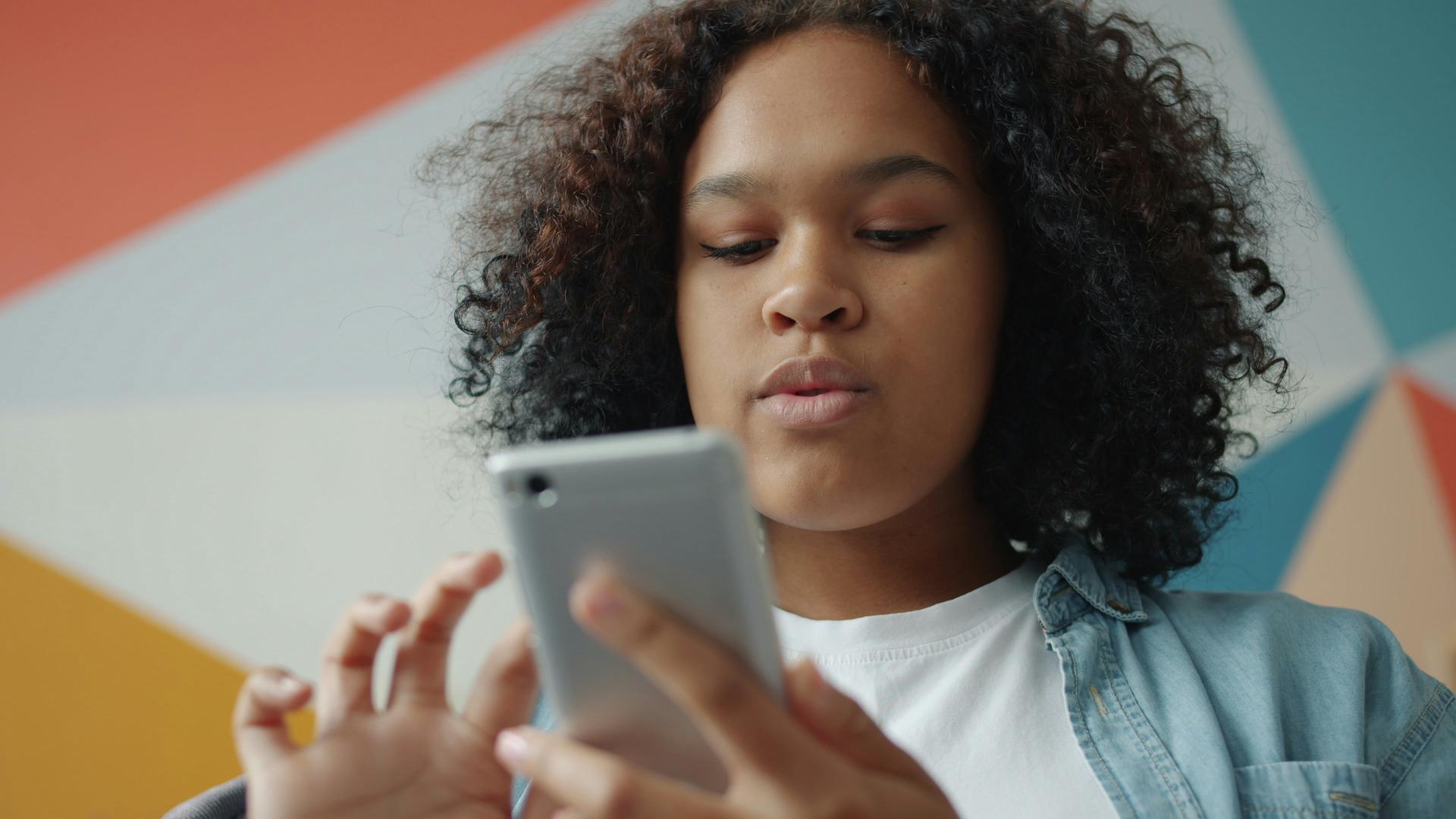
In a terraced house somewhere in Manchester or Luton, the evening sounds are familiar in thousands of Kenyan homes across Britain: the kettle, the low murmur of a television, and a teenager curled into the corner of a sofa with a phone held close to the face. On that small screen, more than memes and music are passing through. There is a grandmother in Murang'a sending a voice note. There is a cousin in Nairobi posting clips from a wedding. For a child growing up far from the country on their passport, the phone has become the corridor back to a family they have mostly met through a camera lens.
That corridor is about to narrow. The British government has announced plans to bar everyone under the age of 16 from mainstream social media platforms, one of the most far-reaching attempts by any Western country to regulate how children live online. For Kenyan families in the United Kingdom, the proposal is not an abstract policy debate. It reaches directly into the living room, into the way their children stay tethered to a homeland thousands of miles away.
What Britain Is Actually Proposing
In mid-June, Prime Minister Keir Starmer confirmed that his government intends to prohibit under-16s from using social platforms including TikTok, YouTube, Snapchat, Instagram, Facebook and X. Messaging services such as WhatsApp and Signal are not part of the plan. The legislation is expected to be brought before Parliament before Christmas, with the protections coming into force in the spring of 2027.
Starmer framed the move in personal terms. "Social media is making our children unhappy and unsafe, and as a parent, as much as a Prime Minister, I just can't let that go on anymore," he said, describing the measure as "a big step for our country." The plan draws openly on Australia, which has pursued its own ban on social media for under-16s, and it has arrived with striking public support: the government says roughly nine in ten parents back the idea.
Enforcement would fall to Ofcom, the communications regulator that polices the Online Safety Act, and would lean heavily on stronger age verification by the platforms themselves. Companies that fail to keep younger users out could face significant penalties. Children's charities have welcomed the ambition while warning about the details. The NSPCC, among the most prominent voices on child safety, urged the government to ensure platforms roll out robust age checks rather than box-ticking systems that determined teenagers can slip past.
Why It Lands Differently in a Diaspora Home
For most British families, the debate is about screen time, sleep and the documented links between heavy social media use and anxiety. For Kenyan families, those same worries are real, but they sit alongside a quieter calculation. Social media is not only entertainment for diaspora children; it is infrastructure for belonging.
A Kenyan teenager in Birmingham may follow Kenyan comedians, gospel artists and football pages as a way of holding onto an identity that school and the surrounding culture do not reflect back to them. Instagram and TikTok are where they hear Sheng, see Nairobi street fashion, and watch the everyday life of relatives they cannot visit each year. When a parent in the diaspora worries about a child losing their roots, the phone is often part of the answer, not only part of the problem.
That is what makes the proposed ban genuinely complicated for these households. Parents who have spent years using video calls and shared feeds to keep their children connected to grandparents and cousins now face a law that treats those same platforms as a hazard to be locked away until a child turns 16.
The Lifeline That Survives, and the One That Does Not
There is some relief in the fine print. Because WhatsApp and Signal are excluded from the plan, the single most important tool for diaspora family life would remain open to younger teenagers. For many Kenyan households, the family WhatsApp group is the true town square: it carries funeral announcements, harambee appeals, birthday songs and the daily back-and-forth that keeps a scattered family feeling like one unit. That lifeline appears safe.
What changes is the more public, performative side of being young and Kenyan abroad. The TikTok dances, the Instagram reels, the YouTube channels where diaspora teenagers document their lives between two cultures — these are the spaces the ban targets. For a generation that has used those platforms to build community with other young Kenyans across Britain, and to be seen by audiences back home, the loss is not trivial.
A Policy Nairobi Is Watching
Kenya has a stake in this conversation that goes beyond its citizens in the UK. With one of the youngest populations on the continent and a digital economy increasingly built on the same platforms, the country is part of a global audience studying Britain's experiment in real time. African governments have generally moved to expand internet access, not restrict it, and social media has become a genuine engine of small business, activism and youth employment.
If a major Western democracy can decide that the costs of teenage social media use outweigh the benefits, that decision will echo in policy circles from Nairobi to Accra. The question for Kenya is not whether to copy Britain, but whether the protective logic behind the ban can be adapted to a context where the same apps are also tools of opportunity. Diaspora families, who live on both sides of that divide, may end up among the most thoughtful voices in the debate.
The Doubts That Will Not Go Away
For all the momentum, the proposal faces hard questions that the next year of parliamentary debate will have to answer. Critics warn that a blanket ban could push determined teenagers toward less regulated corners of the internet rather than off it. Others raise the practical problem at the heart of the plan: verifying age online without forcing every user, adult and child alike, to hand over identity documents or biometric data to private companies.
Privacy campaigners have flagged the risk that aggressive age checks could create vast new databases of personal information, a concern that resonates sharply with immigrant communities already wary of how their data is collected and used. There is also the free-expression argument, that locking under-16s out of the platforms where public conversation now happens removes them from civic life rather than protecting them within it.
What Comes Next for Kenyan Households
Nothing changes immediately. The protections are not expected to take effect until spring 2027, and the legislation must still pass through Parliament, where the details could shift considerably. For now, Kenyan parents in the UK have a window to think through what the change will mean for their own children, and to make their voices heard during the consultation period the government has opened.
The likely practical advice is unglamorous but steady: keep the family WhatsApp and Signal threads strong, since those connections to home appear protected; talk with teenagers about why the rules are coming rather than presenting them as a punishment; and watch the parliamentary process closely, because a law still being written is a law that can still be shaped. For families whose children's sense of home already crosses a continent, the coming year is a chance to decide which threads truly matter, and to hold on to them before the screen goes dark.