Home Soil, Far From Home: African Teams and Their Diaspora Light Up a North American World Cup
With nine African nations on the pitch and millions of the continent's diaspora in the stands, the 2026 World Cup is unfolding in the very countries that became second homes.
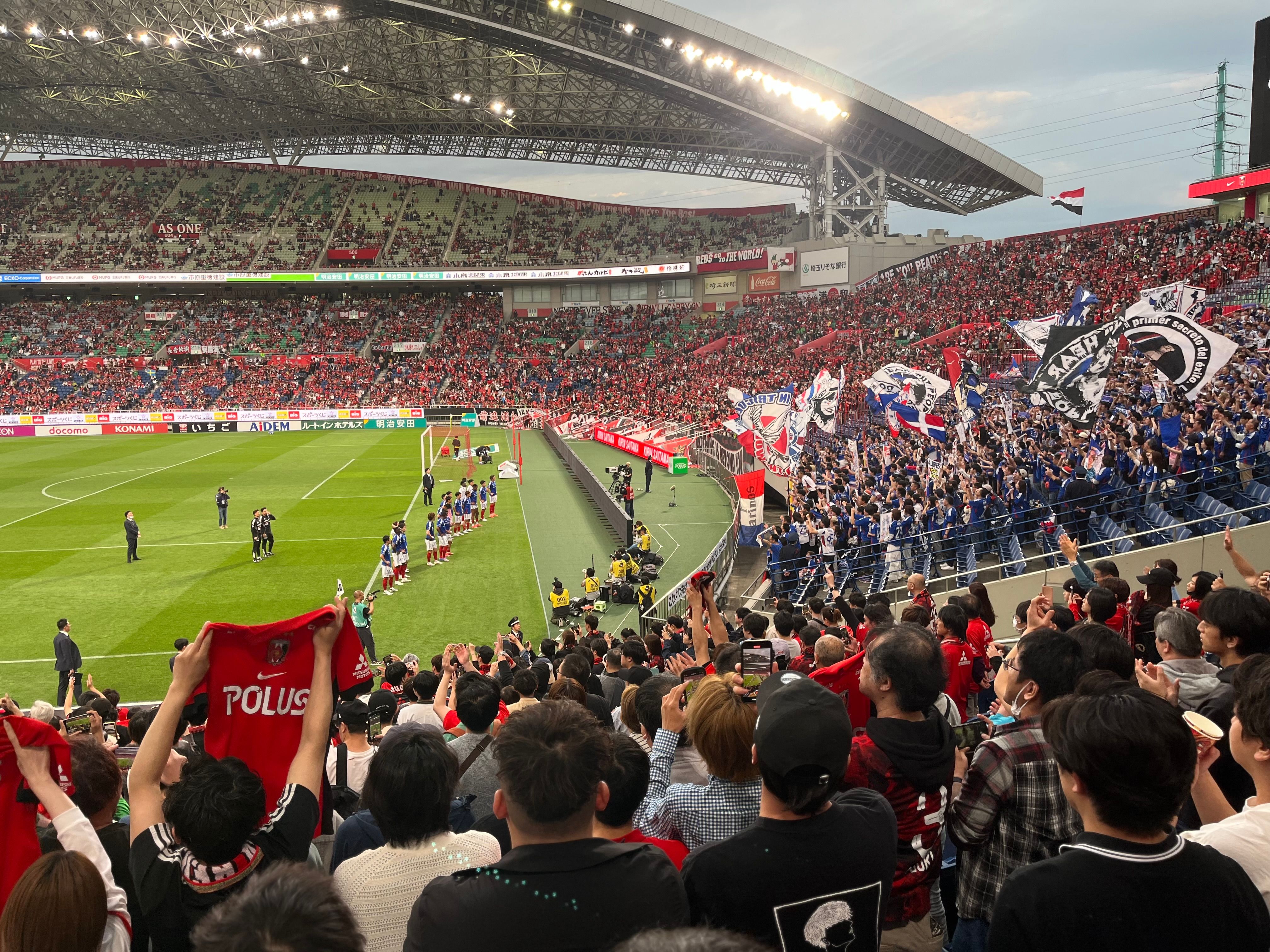
In a sports bar on the edge of a North American city this past weekend, the loudest table was not cheering for the home side. It was a knot of West Africans in green and orange, leaning into a screen, rising as one when the ball crossed a line hundreds of miles away. The 2026 World Cup is being played across the United States, Canada and Mexico — and for the African diaspora, that means the biggest tournament on earth has, for once, come to its doorstep.
For Kenyans and other Africans who built lives far from home, this World Cup carries a double charge. The teams on the pitch wear the flags of the continent they left. The stadiums sit in the countries they now call home. The result is a tournament that feels, to millions, like a family reunion staged on a global stage.
When the World Cup came to the diaspora's doorstep
Hosting matters. When the World Cup was in Qatar or Russia, the African diaspora in the West watched from afar, juggling time zones and pay-TV subscriptions. This year the matches are a drive, not a flight, away. Watch parties have sprung up in cities with deep African communities, and embassies and community associations have leaned into the moment, turning fixtures into gatherings.
That proximity changes the emotional math. A parent can take a child to see the country of their grandparents play in person, an experience that no amount of television can replicate. For a diaspora often defined by distance, the tournament has collapsed it, if only for a few weeks.
Nine flags, one continent
Africa arrived in force. A record nine nations qualified directly for the expanded 48-team tournament — Senegal, Côte d'Ivoire, Egypt, Cape Verde, Ghana, Morocco, Tunisia, Algeria and South Africa — with DR Congo chasing a tenth place through the intercontinental playoff route. It is the largest African contingent in World Cup history, a reflection both of the tournament's new size and of the continent's rising football pedigree.
The expectations are not modest. Morocco's run to the semifinals in 2022 rewired what African teams believe is possible, and the diaspora has internalised that ambition. Where once qualification itself was the celebration, supporters now talk openly about knockout rounds and beyond. The flags in the stands are not there to make up the numbers.
A weekend of African drama
The group stage delivered the full range of emotions. Egypt produced a commanding second-half performance to beat New Zealand 3-1 in their Group G clash, boosting the Pharaohs' hopes of reaching the knockout phase and sending Egyptian supporters streaming into the streets. Cape Verde, the smallest nation at the tournament, held two-time champions Uruguay to a thrilling 2-2 draw in Miami, keeping alive a fairytale that has captivated neutrals.
Not every story was a happy one. Côte d'Ivoire suffered a narrow 2-1 defeat to Germany, undone by a late European fightback and left needing a result in their final group game to survive. Tunisia's campaign ended in bruising fashion, a 4-0 loss to Japan confirming an early exit. For the diaspora, the weekend was a reminder that the World Cup gives and takes in the same breath, sometimes within the same ninety minutes.
Cape Verde and the power of a scattered nation
No team embodies the diaspora's stake in this tournament more than Cape Verde. The Atlantic archipelago is famously a nation whose people are spread far beyond its shores; for generations, emigration has been woven into the country's identity, with large Cape Verdean communities established across the United States and Europe. When the Blue Sharks took the field against Uruguay, they were playing not only for the islands but for the much larger nation that lives abroad.
Their 2-2 draw was the kind of result that turns a small country into everyone's second team. It was also a parable for the wider African diaspora: proof that a community defined by departure can still rally around a single shirt, and that distance does not dilute belonging. In the celebrations that followed, you could hear the sound of a scattered people briefly made whole.
Kenya's absence, and the adopted team
For Kenyan fans, this World Cup arrives with a familiar ache. The Harambee Stars fell short again, finishing mid-table in their qualifying group and watching the tournament from the outside. The maiden appearance that has been promised for so long remains a dream deferred.
Yet absence has not meant indifference. In the Kenyan diaspora, the instinct has been to adopt — to throw support behind Senegal, behind Morocco, behind whichever African side carries the continent's hopes furthest. There is a pan-African solidarity in the stands that does not always survive on the political stage, a sense that a goal for any African team is a goal for the idea of Africa itself. Kenyan supporters who cannot cheer their own have found plenty of others to cheer instead.
What the diaspora sees in the mirror
Beyond the scores, this tournament is holding up a mirror. The diaspora sees in these teams a version of its own journey: talent that travelled, found a stage abroad, and carried home with it. Many of the players themselves are products of migration, raised in the very cities now hosting the games, embodying the back-and-forth that defines modern African identity.
When the final whistle blows on this World Cup, the records will note how far the nine African nations advanced. But for the millions watching from kitchens, community halls and stadium seats across North America, the lasting memory may be simpler — a few weeks when the country they left and the country they live in shared the same field, and home, for once, did not feel so far away.