Dreams Are Valid: How Lupita Nyong'o Turned One Oscar Into a Map for Kenya's Creative Diaspora
More than a decade after '12 Years a Slave,' the Kenyan-Mexican star's careful, identity-rooted career has become a quiet guide for Africans chasing art abroad.
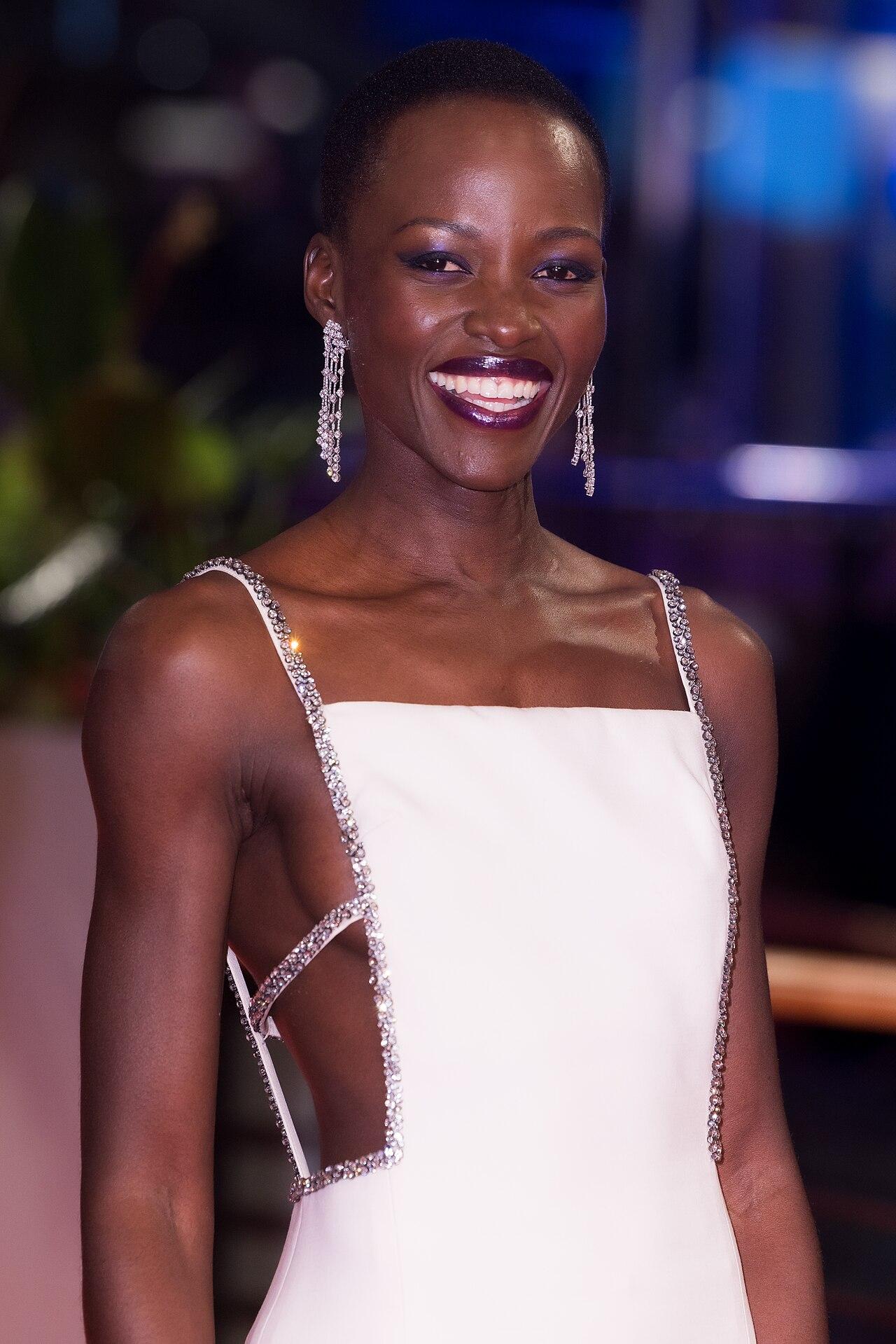
When Lupita Nyong'o reached the stage at the Dolby Theatre in 2014, in a powder-blue gown that camera crews would still be replaying years later, she did not talk about herself. She talked about a girl somewhere watching, unsure whether a face and an accent like hers belonged on that kind of stage. "No matter where you're from," she said, "your dreams are valid." For thousands of young Kenyans abroad, half-listening on laptops in dormitories in Lowell and basements in Mississauga, the sentence landed less like an awards-night flourish and more like a door being held open.
More than a decade on, that moment has hardened into something more durable than a viral clip. Nyong'o has built one of the most deliberate careers in modern cinema, and for a generation of Kenyans navigating life far from home, she has become a kind of reference point — proof that the journey out does not have to mean leaving the self behind. A recent profile in the diaspora outlet Mwakilishi traced how her single Oscar grew into an estimated personal fortune of around ten million dollars, roughly 1.2 billion Kenyan shillings. But the money, those who follow her tend to agree, is the least interesting part of the story.
The Discipline of Saying No
Nyong'o's portrayal of Patsey in Steve McQueen's "12 Years a Slave" arrived almost from nowhere. Before the film she was largely unknown to global audiences; afterward she held an Academy Award for Best Supporting Actress and a level of attention that can swallow a young performer whole. What she did next is the part aspiring actors study most closely. She slowed down.
Rather than chase the volume of work suddenly on offer, she chose carefully, and she said no often. She has spoken about turning down several projects centred on slavery because she wanted to widen the range of stories available to Black women on screen, not narrow herself to a single, painful archetype. Trained at the Yale School of Drama, she treated her early fame less as a windfall to be spent quickly than as capital to be invested slowly — a posture that resonates with diaspora families who know the difference between a first paycheque abroad and a built life.
A Career Beyond the Screen
The acting is only one column of the ledger. Nyong'o became the first Black ambassador for the French beauty house Lancome, later fronting campaigns for the diamond firm De Beers — commercial doors that had rarely opened for dark-skinned African women at that level. She wrote a children's book, "Sulwe," about a young girl learning to love her own deep complexion; it became a New York Times bestseller and is now read aloud in classrooms and living rooms across the diaspora.
In recent years she has stretched further still. She joined two of the largest franchises in film, voicing the wily Maz Kanata in the "Star Wars" sequels and playing the spy Nakia in Marvel's "Black Panther," a film whose cultural weight reached far beyond box-office tallies. In 2024 she carried a studio horror film, "A Quiet Place: Day One," as its lead, and lent her voice to the animated hit "The Wild Robot." The same year she launched a podcast, "Mind Your Own," built around stories from the African diaspora and her own life between continents.
The Fortune, and What It Measures
The headline figure — about ten million dollars — is modest by Hollywood's gaudy standards, where leading actors can command that much for a single film. Estimates of celebrity wealth are imprecise by nature, assembled from public deals and educated guesses rather than audited books, and Nyong'o herself rarely discusses them. What the number really records is less a bank balance than a method: brand partnerships chosen to fit a public identity, roles selected for range rather than speed, and a refusal to let early acclaim dictate the terms of everything that followed.
For Kenyan professionals abroad — the nurses, coders, drivers and graduate students who make up the bulk of the diaspora — that method translates cleanly out of the entertainment world. It is the same arithmetic of patience and self-definition that turns a remittance-sending newcomer into someone who owns something, mentors someone, builds something that lasts.
Born Between Worlds
Part of Nyong'o's resonance is that her own biography refuses a simple label. She was born in Mexico City in 1983, while her father, a Kenyan academic and politician, was living in exile; she spent most of her childhood in Kenya before returning to Mexico as a teenager to learn Spanish. The result is a public figure who moves between Kenyan, Mexican and American registers without apology, and who has made that fluency part of her appeal rather than a thing to be smoothed over.
That is a familiar negotiation for the diaspora's second generation — children raised on Kenyan food and church on Sundays and American or Canadian schoolyards on Monday mornings, forever asked some version of where are you really from. Nyong'o has modelled an answer that does not require choosing. She has also been candid about private struggle, speaking openly about living with fibroids and the pain and frustration the condition caused, lending visibility to a health issue that disproportionately affects women of African descent and is too rarely discussed.
A Map for the Ones Coming Next
What makes Nyong'o instructive, rather than merely admirable, is that her path is legible. She did not arrive through a lottery of luck so much as through training, selectivity and a clear sense of the stories she wanted to tell. Young Kenyan creatives abroad — the film students, the writers, the first-generation kids told to study something safer — can trace the steps and see a route, even knowing the odds remain steep.
The next chapter is already filming. Nyong'o has been cast in Christopher Nolan's "The Odyssey," one of the most anticipated productions of the decade, a sign that more than ten years after her breakthrough she remains in the first rank of directors' choices rather than fading into the long tail of one-time winners. For the diaspora that claims her, the appeal was never really the trophy or the fortune. It was the quieter thing she said on that stage in 2014, and has spent a career proving: that a dream carried across borders does not lose its value in transit.