The Wine Bar That Became a Gallery: How Two Kenyan Painters Are Carrying Home to a London Street
A two-week show on Kingsland Road brings painters Brian Kimani and Mark Maganga to London, turning canvas, coffee and community into a conversation between Kenyans at home and abroad.
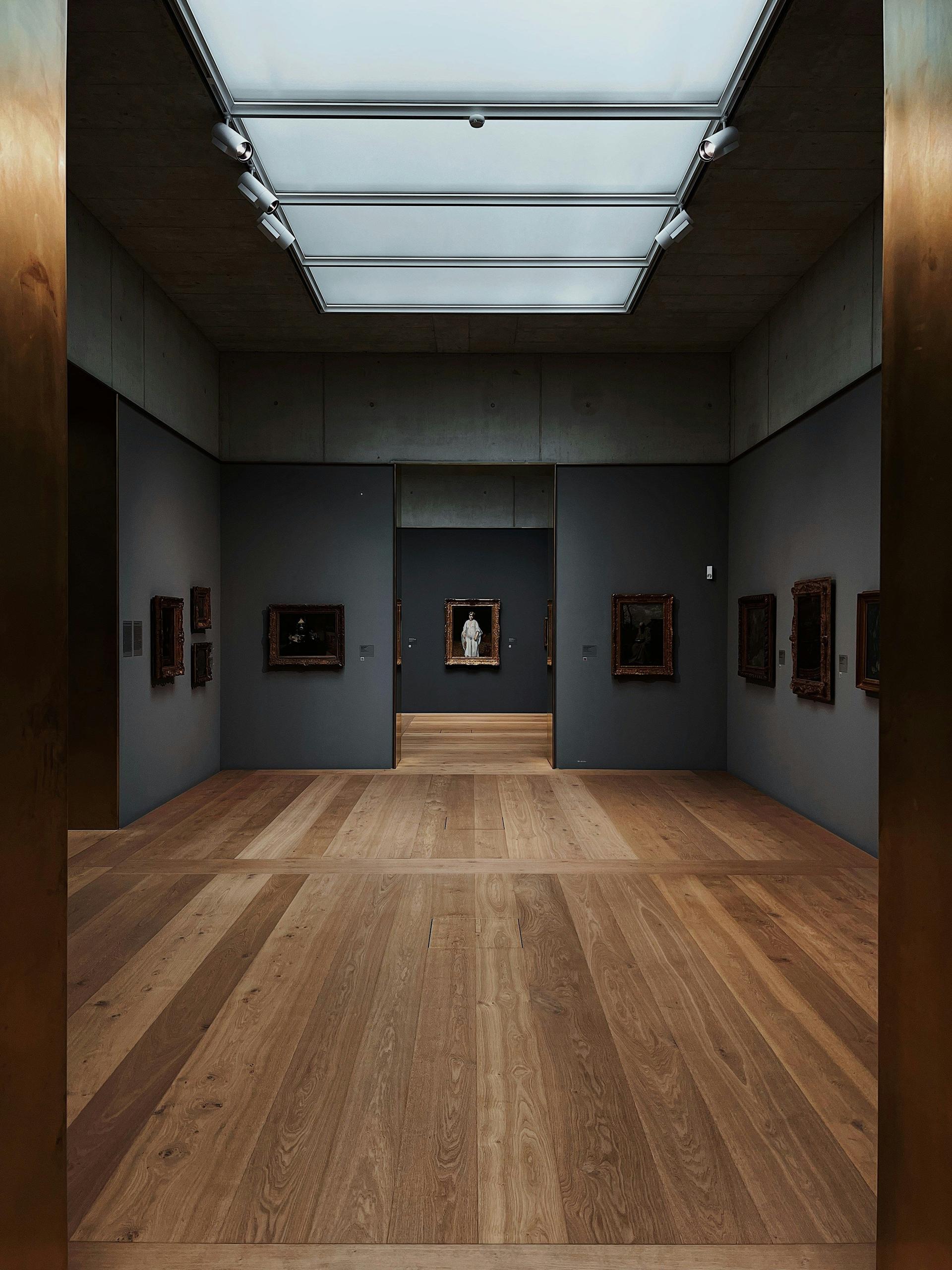
On the evening of 2 July, a wine bar on Kingsland Road in east London will do something it was not built to do. The tables will be pushed back, the lighting adjusted, and the walls of Jack Daw will fill with paintings carried across continents. For two weeks, a Hackney drinking spot becomes a gallery, and for the Kenyans who gather there on opening night, the room will feel less like a venue than a small, temporary embassy of home.
The occasion is Synonymous Subjects, a joint exhibition by two emerging Kenyan painters, Brian Kimani and Mark Maganga, running from 2 to 16 July. The preview, set for 6:30pm that first evening, is being billed as a celebration of Kenyan creativity in the British capital. But the show is also something quieter and more deliberate: an attempt to hold a conversation between Kenyans living at home and the ones who have made their lives abroad, conducted not in speeches but in oil and canvas.
Two Painters, Two Ways Of Seeing Home
Kimani and Maganga are not strangers to this stage. Both featured among the young artists who exhibited under the Kenya Cultural Centre and the Kenya High Commission's inaugural London showcase of contemporary Kenyan art, a 2023 outing built around artists under 35 and themed on the nation's emerging visions. That earlier exhibition positioned a generation of Kenyan painters as global contenders rather than local curiosities, and it is from that same current that Synonymous Subjects now draws.
The two men work in different registers. Kimani's paintings, according to the organisers, lean into the energy of urban communities, using bold compositions to portray shared experiences and the texture of everyday life. Maganga takes the more reflective path, folding symbolism into close observation to examine belonging, personal memory and identity. Set side by side, their canvases are meant to read as a single sentence with two clauses: one collective, one individual, both circling the same question of what it means to be Kenyan in a world that keeps pulling Kenyans outward.
That question lands differently in London than it would in Nairobi. For a diaspora audience, a painting of a familiar street or a remembered face is not only an aesthetic object. It is a fragment of a place that distance has made harder to touch, and the show's title hints at the doubling that defines migrant life, where home and away become synonymous subjects rather than opposites.
A Gallery Built By A Diaspora's Own Hands
What makes Synonymous Subjects notable is less the venue than who made it possible. The exhibition is curated by OkelloOregeArt, a London-based platform founded by Kezhia Orege, whose stated mission is to promote Kenyan artists internationally while strengthening cultural links with the diaspora. It is, in other words, a Kenyan-built bridge rather than an invitation extended by an outside institution, and that distinction matters to a community long used to having its culture interpreted by others.
The setting reinforces the point. Jack Daw is owned by Kwame Otiende, a Kenyan-born entrepreneur who was recently elected a Green Party councillor for the London Fields ward in Hackney. His twin roles, as a publican lending his walls to Kenyan painters and as an elected representative in a London borough, capture a shift that has been building for years. The Kenyan presence in Britain is no longer only a story of arrivals and remittances; it is increasingly a story of ownership, of civic office, of people with the standing to convene a room.
For younger Kenyans in the city, that visibility carries weight. It suggests a path in which creative and civic life are not luxuries deferred until after the immigration paperwork is settled, but things that can be claimed now, on a high street, in public.
Coffee, Macadamia And The Politics Of Belonging
The exhibition is also, pointedly, not only about pictures. Organisers say the show will serve organic Kenyan coffee and freshly roasted macadamia nuts supplied by Njerũ Njoka of Cũcũ Studios, an intergenerational collective whose work centres on indigenous land stewardship, food sovereignty and economic justice. The pairing of art with produce is not incidental. It frames the canvases inside a wider argument about where value is created and who gets to keep it.
That argument runs through the show's finances as well. According to the organisers, part of the proceeds from artwork sales will support projects in Kenya focused on land care, food sovereignty and economic justice, an arrangement designed to send some of the value generated in a London wine bar back to the communities that shape the artists' work. It is a modest model, but a telling one: rather than treating the diaspora purely as a market to be sold to, it treats the relationship as a loop, with money and attention flowing in both directions.
In that sense, the macadamia nuts on the table and the paintings on the wall are making the same point. Both are Kenyan goods presented to a London audience on Kenyan terms, with the proceeds tied to the places they came from.
Why London Keeps Pulling Kenyan Art
Synonymous Subjects does not appear in a vacuum. London has become one of the most important stages for African contemporary art, with auction houses, galleries and fairs steadily expanding their attention to artists from the continent over the past decade. For Kenyan painters in particular, the city offers buyers, critics and the kind of international validation that can be difficult to secure at home, where the market for contemporary art remains thin.
The diaspora itself is part of the draw. A large, increasingly settled Kenyan community in Britain provides not only a sympathetic audience but a network of hosts, curators and patrons who can make an exhibition happen without institutional backing. Shows like this one, mounted in a wine bar rather than a white-walled museum, reflect that grassroots energy. They are smaller and less formal than a major gallery opening, but they are also more rooted, organised by and for a community rather than handed down to it.
That informality is a strength. It lowers the barrier between artist and audience, and it lets a two-week show double as a gathering place, where the people who turn up are as much a part of the event as the work on the walls.
What The Diaspora Sees In The Frame
For the Kenyans who walk into Jack Daw over the next fortnight, the appeal of Synonymous Subjects will be partly aesthetic and partly something harder to name. A painting that captures a Nairobi street corner or the cadence of a remembered conversation offers a kind of return that a video call cannot. It is a way of standing, briefly, in a place you have left.
The organisers have framed the exhibition as a dialogue across borders, and the metaphor is apt. The artists send their work outward; the diaspora sends part of the proceeds back; the coffee and the conversation close the circuit. None of it will reshape the larger forces that scatter Kenyans across the globe. But for two weeks on Kingsland Road, a community will have somewhere to gather and something of home to look at, made by their own and shown on their own terms. In a season crowded with harder diaspora news, that is its own kind of statement.