The Wage That Vanished on the Way to Milan: How Kenyan Hands Helped Build an American Outpost for Less Than Two Euros an Hour
Kenyan electricians who wired a new US consulate in Italy say they were promised €25,000 a year and paid a fraction of it. Their testimony now anchors an Italian exploitation case.

A man who once spent his days threading electrical conduit through the walls of the American embassy in Nairobi tells the story the way many migrant workers eventually do: quietly, with the paperwork in his lap. He had an employment letter on company stationery. It promised an annual salary north of €25,000, the kind of figure that rearranges a family's future back in Kenya. He signed it, packed a bag, and flew to northern Italy to help build something that would fly the United States flag. Months later, by his own account and the accounts of others now central to an Italian criminal inquiry, he was earning less than two euros an hour.
The man is one of several Kenyans whose testimony has become the spine of an investigation into labour abuses on the construction of a new United States consulate in Milan — a case that has pulled a major American government contractor before Italian prosecutors and turned a routine diplomatic building project into a cautionary tale about how money, distance and paperwork can quietly strip a worker of what he was promised.
A Building Site With a Flag On It
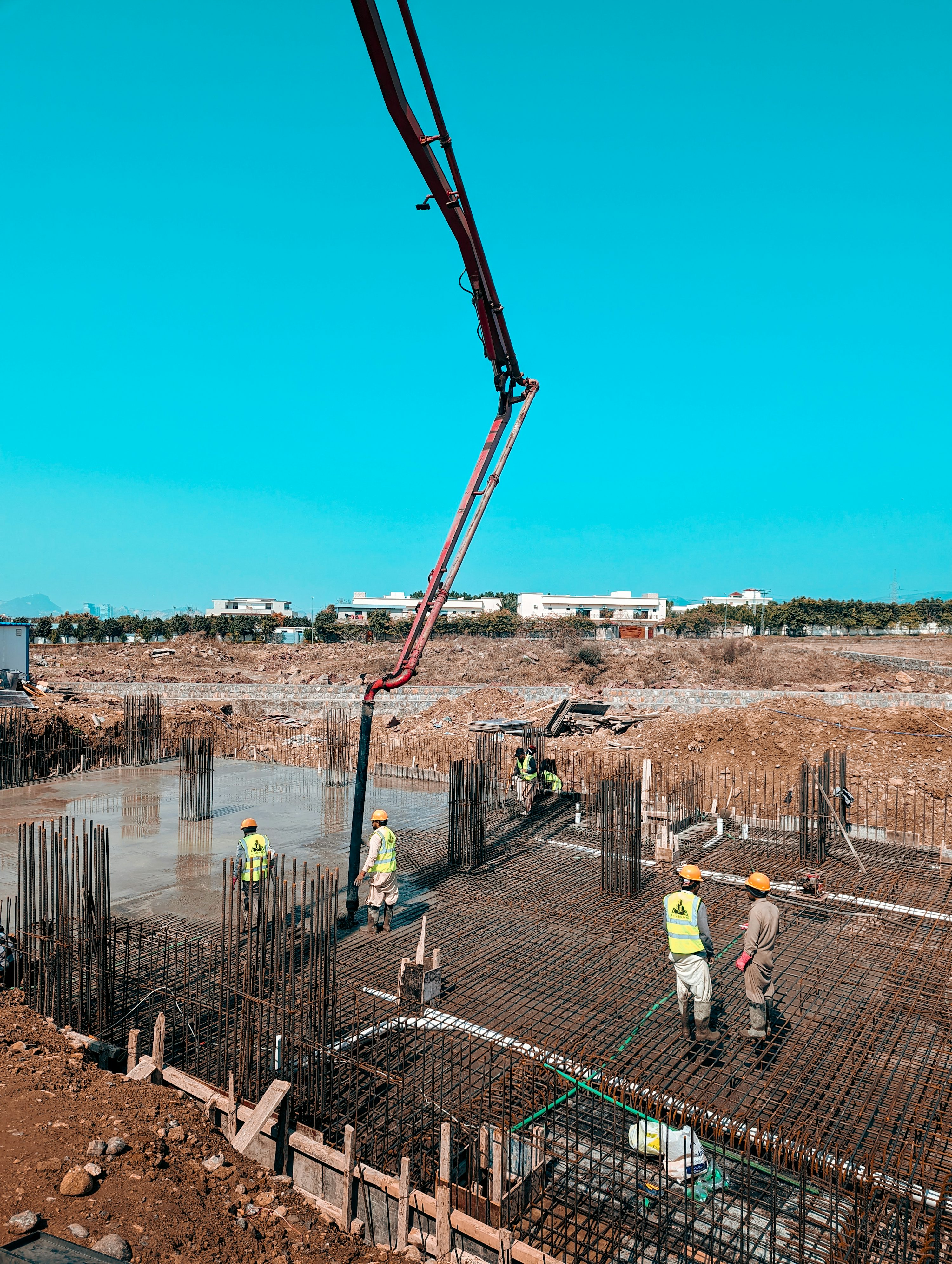
The consulate is meant to be a secure diplomatic compound, the sort of fortified, climate-controlled facility that the US State Department commissions around the world. The contract was awarded in 2022 to Caddell Construction, a firm based in Montgomery, Alabama, that has built a reputation — and a substantial portfolio — constructing American embassies and missions abroad. Reporting on the project has put its value in the hundreds of millions of dollars.
For the State Department, a building like this is an exercise in logistics and security clearance. For the men who actually raised it, it was a job that required leaving home. And it is at that seam — between the prestige of the client and the precarity of the labour — that the alleged abuses took hold. Italian authorities say the problems were not the work of one rogue foreman but something closer to a system.
The Arithmetic of Disappearing Pay
The workers' descriptions, given to investigators and to journalists, follow a grimly familiar pattern. The promised salary existed on paper. What landed in their hands did not. According to their accounts, deductions for food, transport and shared accommodation ate steadily into their wages until the remainder, measured against the hours worked, fell below two euros an hour.
Those hours were long: shifts of roughly twelve hours, six days a week. When some workers raised questions about the gap between the contract and the cash, they say they were met not with answers but with threats — warnings that they could be dismissed or sent home. For a migrant worker far from any safety net, the threat of deportation is not an abstraction. It is leverage, and according to the testimony, it was used.
Several of the Kenyans were electricians who had been recruited after working on an extension of the US embassy back in Nairobi. That detail matters. These were not first-time travellers stumbling into a scam; they were experienced tradesmen who had already worked on an American diplomatic project at home and had reason to trust the letterhead they were signing.
How Italy Took the Case Up
Concerns about the site surfaced in 2024 and drew the attention of the Carabinieri and prosecutors in Milan, who began examining allegations of abusive subcontracting and the underpayment of migrant workers. The inquiry sharpened in May 2026, when prosecutors formally placed Caddell's Italian subsidiary under investigation, saying they had found evidence of exploitation affecting workers from Kenya, India and Egypt.
In June, a Milan court upheld emergency measures placing the company's local branch under judicial supervision and appointed an administrator to ensure compliance with Italian labour law. The court characterised the alleged abuses as systemic rather than isolated. Authorities also made arrests: the company's Italian operations manager was detained — reportedly stopped at an airport as he tried to leave the country — along with a site supervisor accused of overseeing the practices under scrutiny.
Caddell Construction and the State Department have said they are cooperating with the Italian authorities and maintain a zero-tolerance policy toward labour abuses. The case, still unfolding in the Italian courts, has yet to produce final findings, and the company has not been convicted of any offence.
Why This Lands So Hard in the Diaspora
For Kenyans abroad, this is not simply a story about one building in one Italian city. It touches a nerve that runs through almost every conversation about labour migration: the distance between what a contract says and what a worker actually receives. The promise of a European salary is one of the most powerful engines pushing skilled Kenyans to look overseas. When that promise is allegedly hollowed out on a project bearing the seal of the United States government, it shakes the assumption that a prestigious, Western, state-backed employer is automatically a safe one.
It also complicates a hopeful narrative that Kenyan officials have been promoting. Nairobi has been negotiating structured labour-mobility arrangements with countries facing worker shortages, pitching regulated channels and pre-departure training as the antidote to exploitation. The Milan case is a reminder that even formal, document-heavy, blue-chip projects can fail the people at the bottom of the subcontracting chain — and that oversight tends to thin out precisely where complex contracting arrangements make conditions hardest to see.
The Testimony That Carries Weight
What gives this case its momentum is not a government communiqué but the workers themselves. Electricians produced contracts, payslips and first-hand testimony, laying out in detail the difference between what they were promised and what they were paid. In a system where migrant labour is often invisible, that documentation has become evidence, and that evidence has helped move an investigation through the Italian courts.
For the men involved, the stakes are practical and personal. Their claim is straightforward: they were misled about the terms of their employment and denied wages they were owed. Whatever the courts ultimately decide, their willingness to come forward — at the risk of the very dismissal and deportation they say they were threatened with — has ensured that the question is being asked in a courtroom rather than buried in a ledger.
The new consulate will, in time, open its doors and conduct the ordinary business of visas and diplomacy. The men who wired its rooms will likely be long gone by then, scattered back across borders. But the record of how it was built — and of what they say it cost them — is now part of the official file, in a language the contractors did not write.