The Visa Stamp That Now Waits at the Gate: How a UAE Rule Change Eases Travel for Kenyans Living Abroad
The Emirates will now grant visas on arrival to Kenyans who hold residency in nine Western and Asian economies — a quiet dividend of the Kenya–UAE trade pact.

Picture a Kenyan nurse who has spent four years building a life in Manchester. She has a British residence permit, a steady NHS contract and a sister in Dubai she has not seen since before she left Nairobi. Until this week, a short visit to that sister meant the same bureaucratic ritual every Kenyan passport holder knows well: an online application, supporting documents, a fee paid in advance and an anxious wait for an approval that might or might not arrive before the cheap flight was booked. From 25 June, that ritual quietly changed for people like her.
The United Arab Emirates has begun granting visas on arrival to a defined group of Kenyan passport holders — not all of them, but specifically those who already hold valid residence permits in a list of advanced economies. For a diaspora that has long treated Dubai as both a transit hub and a weekend escape, it is a small administrative shift with an outsized emotional weight.
What Actually Changed on 25 June
The new arrangement took effect immediately on 25 June 2026. It allows eligible Kenyan citizens, together with accompanying family members, to obtain an entry visa at the point of arrival in the Emirates rather than securing it weeks in advance.
According to reporting by Kenyan and Gulf outlets, two visa categories are on offer: a fourteen-day visa costing roughly 100 dirhams, extendable once, and a non-extendable sixty-day visa costing around 250 dirhams. The change places Kenya among six countries added to the UAE's expanded visa-on-arrival list in this round, alongside Indonesia, Vietnam, Thailand, the Philippines and South Africa.
It is worth being precise about what the policy is not. Kenya has not been granted visa-free entry, and the ordinary Kenyan passport on its own does not unlock the gate. The corridor that opens here is narrow and conditional, designed around residency status rather than nationality.
A Dividend of the CEPA Trade Pact
The decision did not appear out of nowhere. Kenyan officials and diaspora commentators have linked it directly to the Kenya–UAE Comprehensive Economic Partnership Agreement, the trade and investment pact signed in January 2025.
Danson Mukile, a diaspora affairs strategist quoted by the diaspora outlet Mwakilishi, framed the visa change as the moment that agreement began delivering benefits beyond headline trade figures. "This breakthrough is no coincidence. It flows directly from the landmark CEPA," he said, describing easier mobility as part of a broader diplomatic push. "When we move freely, Kenya moves forward faster," he added, arguing that smoother travel would help professionals carry skills, contacts and capital back toward home.
The UAE Embassy in Nairobi, for its part, said the measure was intended to strengthen tourism, trade and investment between the two countries — language that reflects how the Gulf increasingly views the Kenyan diaspora as an economic constituency rather than simply a source of labour.
Who Qualifies — and Who Still Waits
The eligibility list is the heart of the policy. Visas on arrival are open to Kenyan passport holders with valid residence permits issued by the United States, the United Kingdom, Canada, Australia, New Zealand, Japan, Singapore, South Korea or a member state of the European Union.
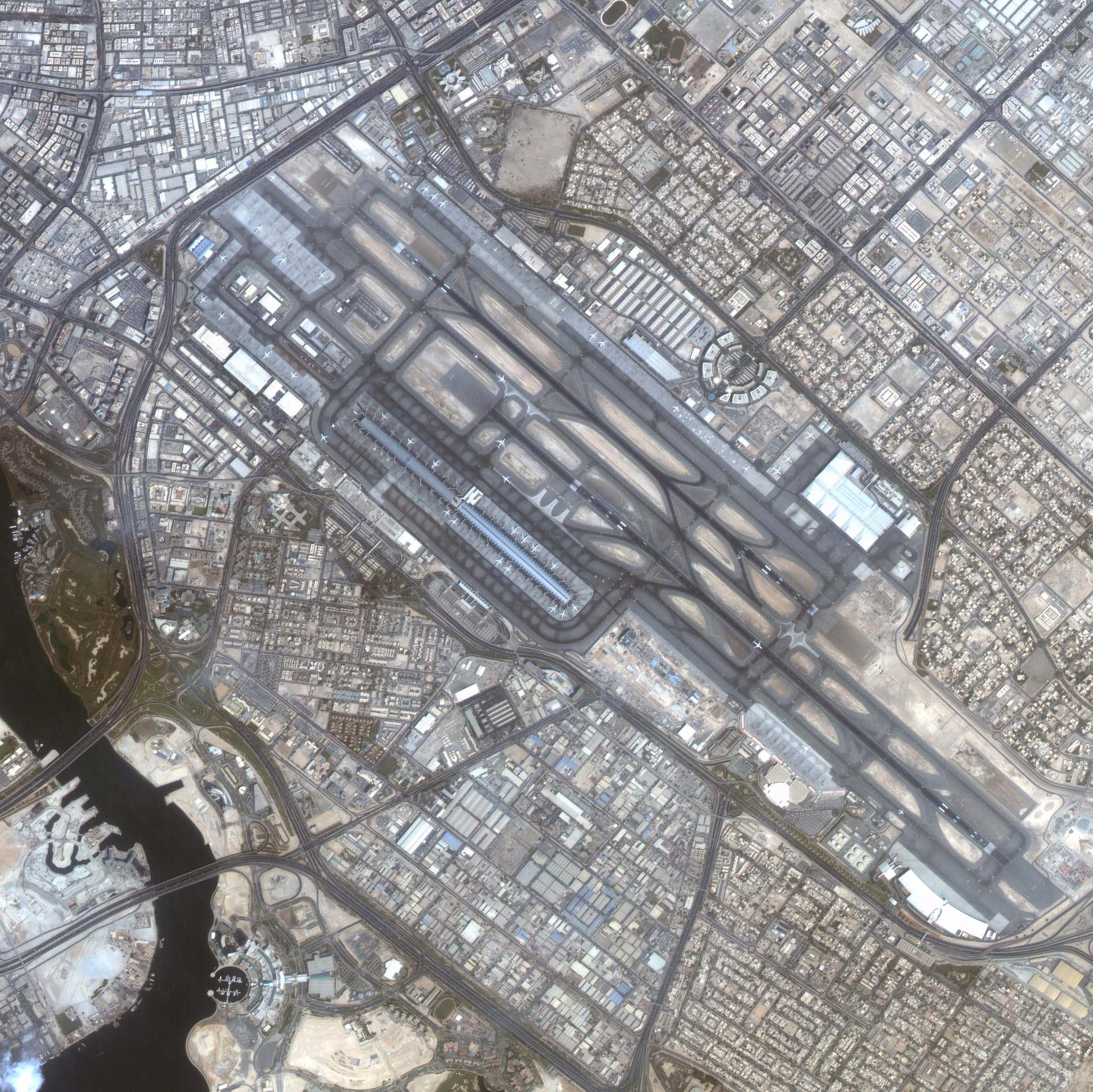
In effect, the UAE is outsourcing part of its vetting. A Kenyan who has already cleared the background checks, biometrics and financial scrutiny required to live in Toronto, London or Tokyo is treated as a known quantity at Dubai International Airport. That logic neatly captures who benefits: the established, documented, often professional slice of the diaspora.
It also captures who is left out. A trader in Nairobi, a student newly admitted to a Gulf university, or a worker holding only a Kenyan passport must still navigate the standard advance-application process. For domestic workers and labour migrants heading to the Gulf on employer-sponsored contracts, nothing about this announcement changes the system that governs their journeys.
Why the Gulf Wants Kenyans Moving
For the Emirates, the calculation is commercial as much as diplomatic. Analysts cited in Kenyan coverage noted that the UAE has come to recognise the weight of the Kenyan diaspora — through remittances, entrepreneurship and cross-border investment — and sees easier travel as a way to deepen those flows.
Dubai already functions as a connecting point between East Africa, Europe and Asia, and a meaningful share of the Kenyans who pass through it are diaspora residents shuttling between continents. Removing a layer of friction at the border is, in that sense, an investment in repeat visitors: the conference delegate, the small importer sourcing goods, the family booking a half-term holiday.
The Catch Beneath the Convenience
There is genuine relief in the change, but it is worth holding it in proportion. The policy rewards Kenyans who have already secured a foothold in wealthy economies, and does little for those still trying to. It is a benefit that flows to the diaspora's more settled tier, widening the gap between Kenyans who carry a second residency and those who do not.
Still, for the nurse in Manchester — and the thousands like her in Minneapolis, Sydney and Frankfurt — the practical effect is real. A trip that once began with paperwork now begins at a departure gate. In a diaspora where distance is measured in visa queues as much as in miles, the quiet removal of one queue is the kind of news that travels fast through family WhatsApp groups, long before it reaches an official statement.