The Thirty-Day Window: How a UAE Visa Reprieve Is Buying Stranded Kenyans Time to Stay Legal
A regional travel meltdown left Kenyan residents of the Emirates facing overstays they never chose. Abu Dhabi's grace period, valid until 9 July, offers a narrow path back to legal status.

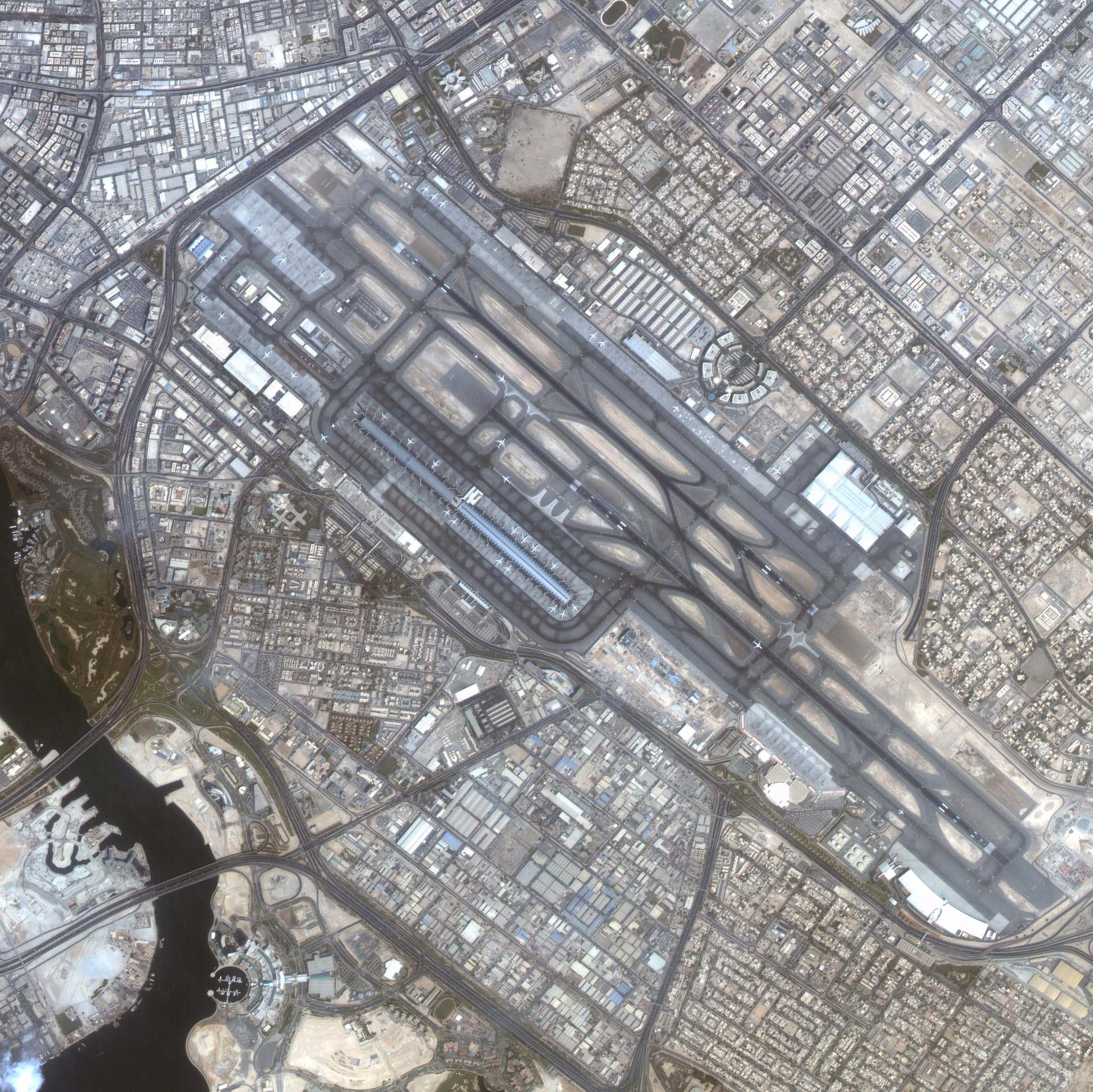
In the departures hall of Dubai International Airport, the small calculations rarely make the news. A residency permit that lapses next week. A return ticket rebooked twice and then cancelled outright. A worker counting the days until a fine begins to accrue, quietly, at the rate of a daily penalty against a salary that was never built to absorb it. For thousands of Kenyans living in the United Arab Emirates, that arithmetic turned suddenly urgent this month, when the airspace above the Gulf became one of the least predictable in the world.
Now the Kenyan Embassy in Abu Dhabi has confirmed a measure that, for many, changes the math. The UAE has opened a temporary 30-day visa grace period for people whose travel plans were upended by the recent wave of regional flight cancellations. The reprieve runs until 9 July 2026, and within that window affected residents can renew their visas, adjust their residency status, or arrange an orderly departure without being treated as overstayers. For a community where immigration paperwork governs everything from a job contract to a bank account, the difference between a penalty and a clean record is not a technicality. It is the difference between staying and being forced out.
A Reprieve Born of a Wider Crisis
The grace period did not arrive in a vacuum. It is the administrative aftershock of a far larger disruption: weeks of intermittent flight cancellations and diverted routes across the Middle East, driven by the heightened tensions and security uncertainty surrounding the Israel–Iran conflict. When carriers ground flights and reroute around closed airspace, the people left exposed are not the policymakers but the passengers, many of them migrant workers whose visas are tied to precise dates of entry, exit, and renewal.
For a Kenyan on a 30-day visit visa who planned to fly home and re-enter, a cancelled flight is not an inconvenience. It is a legal cliff. Overstaying the UAE's visa terms ordinarily triggers daily fines and can complicate or bar future entry. The Emirates' decision to suspend those penalties for affected travellers is, in effect, an acknowledgement that the people caught out did nothing wrong. They simply could not board the planes that no longer flew.
What the Notice Actually Asks of Kenyans
The embassy's advisory is careful in its wording, and Kenyans would be wise to read it literally rather than hopefully. The grace period is not an open-ended amnesty. It is a fixed window with a hard deadline of 9 July, and it asks those who qualify to act inside it rather than wait for it to lapse.
In practical terms, that means a resident whose permit has expired should begin renewal procedures now, not in early July. Someone who intended to leave should secure a booking and depart before the deadline. A worker whose status needs adjusting — a change of sponsor, a shift from visit to residence visa — should start the process while the penalty shield is still in place. The embassy's central message is one of timing: the relief is real, but it is temporary, and the consequences of missing the deadline revert to the ordinary, unforgiving rules of UAE immigration law.
Why the Gulf Matters So Much to Kenya
To understand why an embassy notice about visa dates ripples so widely, it helps to remember the scale of Kenya's presence in the Gulf. The Emirates is one of the largest single destinations for Kenyan labour abroad, drawing domestic workers, hospitality staff, drivers, security guards, retail employees, and a growing tier of professionals in logistics, healthcare, and finance. For tens of thousands of families back home, a relative in Dubai or Abu Dhabi is not an abstraction but a monthly remittance, a school fee paid, a plot bought in instalments.
That is also why the community's legal vulnerability is so acute. A migrant worker's right to remain is bound tightly to documentation, and a lapse can cascade quickly into lost work and lost income. When the airspace closed, the threat was not only of being stranded but of being criminalised by circumstance. The grace period removes, for now, the cruelest version of that outcome.
A Relationship Warming at the Top
The concession also lands at a moment of unusual warmth between Nairobi and Abu Dhabi. The two governments have been steadily deepening ties across trade, investment, and security. In April, President William Ruto met the UAE's president, Sheikh Mohamed bin Zayed Al Nahyan, for talks that ranged across commerce and defence cooperation, and officials from both sides have since discussed the Kenya Defence Forces Modernisation Programme.
This is not the first time the relationship has shown up in the fine print of visa policy. In 2022, the UAE extended tourist visas for Kenyans from one month to six, a gesture widely read as an effort to ease business and travel between the two countries. The latest grace period fits the same pattern: a bilateral friendship that, at its best, translates into tangible breathing room for ordinary citizens caught in extraordinary events. For the Kenyan in the departures hall, the geopolitics matters less than the outcome — a stamp that buys time, and a fine that does not begin.
The Clock That Keeps Ticking
The danger now is complacency. A grace period announced is easy to file away as good news and forget; a grace period that expires is a trap for anyone who assumed the relief would renew itself. The embassy has urged affected Kenyans to complete their procedures before 9 July precisely because the date is firm. Community organisers in the Emirates, the same networks that mobilise for funerals and fundraisers, will likely be the ones reminding members that the window is closing.
For Kenya's wider diaspora, the episode is a reminder of how exposed migrant status can be to forces no individual controls — a distant conflict, a closed flight path, a calendar that does not pause. The reprieve is welcome. It is also a countdown. The people it protects have until the ninth of July to turn a temporary shield into a permanent fix, and not a day longer.