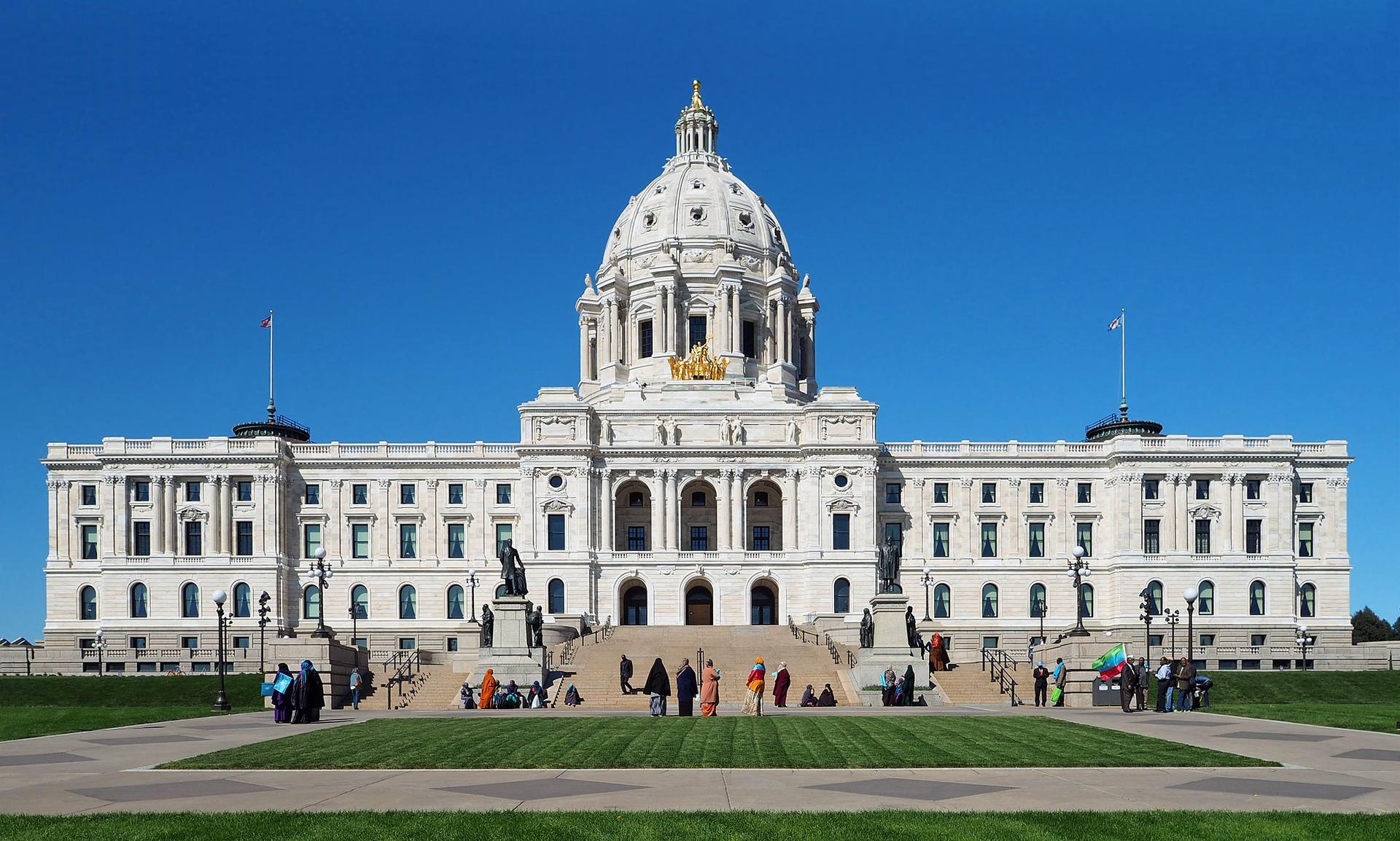
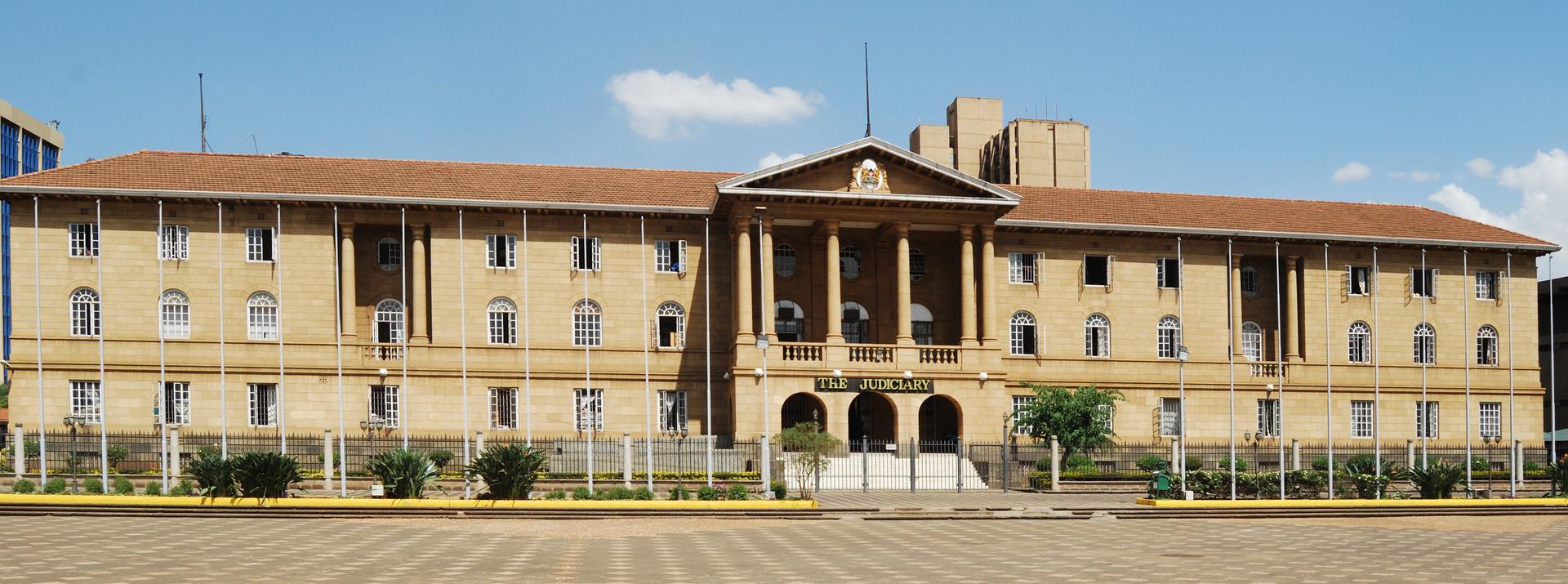
The Union Buildings on Wednesday: How Ruto's Tshwane State Visit Lands Among Kenyans Living in South Africa
A three-day trip to Pretoria, a Midrand business forum and a 2023 visa-free promise — what President Ruto's June itinerary means for the Kenyans who already call South Africa home.
On a Saturday afternoon in Sandton, a Kibra-born accountant who has lived in Johannesburg for six years was on her phone, watching the same news clip her cousins in Nairobi were sending her: President William Ruto would be flying south on Wednesday, June 3, his motorcade routed through the Union Buildings in Tshwane for a state visit hosted by President Cyril Ramaphosa. She read the lines twice — three days, a business forum, a signing ceremony — then forwarded the link to a Kenyan WhatsApp group of nurses, freight forwarders and accountants she has run in Sandton since 2019. "Tutaona kama vitu zitabadilika," she typed. We will see if anything changes.
This is how a head-of-state announcement lands inside a diaspora that is small but visible: not as a foreign-policy line, but as a question of whether next month's invoices, work permits and Friday meet-ups will look any different on the other side of the visit. For the Kenyans who now live, work or trade across South Africa — from KCB and Equity bankers seconded to Rosebank towers to nurses in private hospitals in Pretoria East — Ruto's first state visit to Pretoria of his presidency reads less as a diplomatic ritual and more as a calendar entry to be watched, marked and quietly tested against their own lives.
A Three-Day Programme With a Long Backstory
The official itinerary, released by South Africa's State House and confirmed by Kenyan media, runs from June 3 to June 5. At its centre is a welcome ceremony at the Union Buildings in Tshwane, followed by bilateral talks between Ruto and Ramaphosa, the signing of memoranda of agreement, and a joint press address. A South Africa–Kenya Business Forum is scheduled for the late afternoon at Gallagher Estate in Midrand, the convention complex that has hosted some of the continent's busier trade rooms.
Both capitals are framing the trip as a renewal of a relationship re-established in 1994, after South Africa's transition to democracy. For Pretoria, Kenya is a strategic East African partner. For Nairobi, South Africa is one of the few continental economies whose private sector has a balance sheet that matters to East African deal flow. The talks, according to both governments, will cover trade, investment, regional integration, and peace and security — language broad enough to cover everything from minerals processing to AU politics.
The 2023 Visa Stamp That Already Changed Things
For diaspora households, the most consequential paragraph in the briefing is not the welcome ceremony but the line about the 2023 visa-free arrangement. In early 2023, South Africa formally granted Kenyan passport holders visa-free entry of up to 90 days per calendar year, following an announcement Ramaphosa made during his 2022 state visit to Nairobi. The breakthrough closed years of negotiation that began under former president Uhuru Kenyatta in 2016.
Before that, a Kenyan looking to visit a cousin in Bryanston had to file paperwork through an agent of the South African High Commission, pay fees, and wait roughly four working days for a decision. Today, the same person clears immigration at OR Tambo with a passport stamp. South Africans, in mirror, have travelled to Kenya visa-free since 2017.
The visa change has not solved everything — work permits and longer-term residence still sit inside a stricter Home Affairs queue — but it has reshaped the rhythm of diaspora life. Family visits that used to be planned months in advance now happen on a weekend's notice. Small Kenyan-owned import lines have expanded their cross-border travel calendars. Diaspora associations in Cape Town and Johannesburg have begun running short professional exchanges with Nairobi without the visa hurdle that once made them prohibitive.
Gallagher Estate, And the Diaspora's Business Slate
The most closely watched portion of Ruto's programme inside diaspora WhatsApp groups is the business forum at Gallagher Estate. Past Kenya–South Africa forums, including a 2022 edition in Nairobi, have produced commitments around horticulture exports, financial-services partnerships, and pharmaceutical manufacturing. None translated into a single signed cheque immediately; all of them, over time, fed into the deal flow that has put Kenyan banks, telcos and tech firms into Johannesburg offices.
Diaspora entrepreneurs are watching for three things. First, whether any of the MoUs target double-taxation, customs harmonisation or work-permit reciprocity — the technical text that decides whether a Kenyan-owned consultancy in Sandton can hire from Nairobi without a four-month wait. Second, whether agriculture or logistics commitments open a wider channel for Kenyan tea, coffee and avocado supply lines into South African retail. Third, whether financial services language expands cross-listing or correspondent-banking room for the Nairobi Securities Exchange and the Johannesburg Stock Exchange.
The diaspora reads these forums with a long memory. Promises made under bright lights at Gallagher Estate have to land back in the slower world of Department of Home Affairs queues and SARS rulings before they mean anything in a Sandton office.
What Kenyans in South Africa Are Watching For
Beyond the formal programme, the visit will also test how Kenyan diaspora groups in South Africa are received. The Kenyan High Commission in Pretoria has, over the last two years, hosted community town halls and pushed registration drives ahead of any future diaspora-vote conversation. Community leaders say they want a clear signal from this trip on three points: an upgraded consular footprint in Johannesburg, faster passport renewals for South Africa-based applicants, and a serious conversation about diaspora pension contributions and remittance corridors.
Remittances flowing from South Africa to Kenya are smaller than those from the United States and the Gulf, but they have grown steadily in recent years. Kenyans abroad have been told, repeatedly, that they are part of the Kenya Kwanza administration's economic story. A state visit to the continent's most industrialised economy is a natural moment to learn what that line means in practice.
A Continental Conversation, Heard From Home
For Kenyans watching from Cape Town's Observatory or Pretoria East, the bigger picture is also visible. Ruto's South Africa trip is his third major foreign trip in a month, following back-to-back visits to Azerbaijan and Kazakhstan in mid-May, where he attended the 13th World Urban Forum and held bilateral talks on housing and trade. The Pretoria stop, by contrast, sits closer to home — geographically and emotionally — for the diaspora that lives there.
In the Sandton WhatsApp group, the Kibra accountant's message about Wednesday's news drew a quick reply from a nurse in Pretoria East. "Tuombe kuwe na MoU ya kazi ya pension," she wrote. Let's pray there is an MoU on pension portability. It was sent at lunchtime, between shifts, and was read more than thirty times within an hour — a small number, but, in the way diaspora news travels, a useful one.
Whatever Ruto and Ramaphosa sign at the Union Buildings, the diaspora's verdict will be delivered slowly, in the months after the cameras leave: in faster passport queues at the High Commission, in shorter wait times at OR Tambo's e-gates, and in whether the next Kenyan–South African business deal makes it into someone's spreadsheet, not just into a press release.