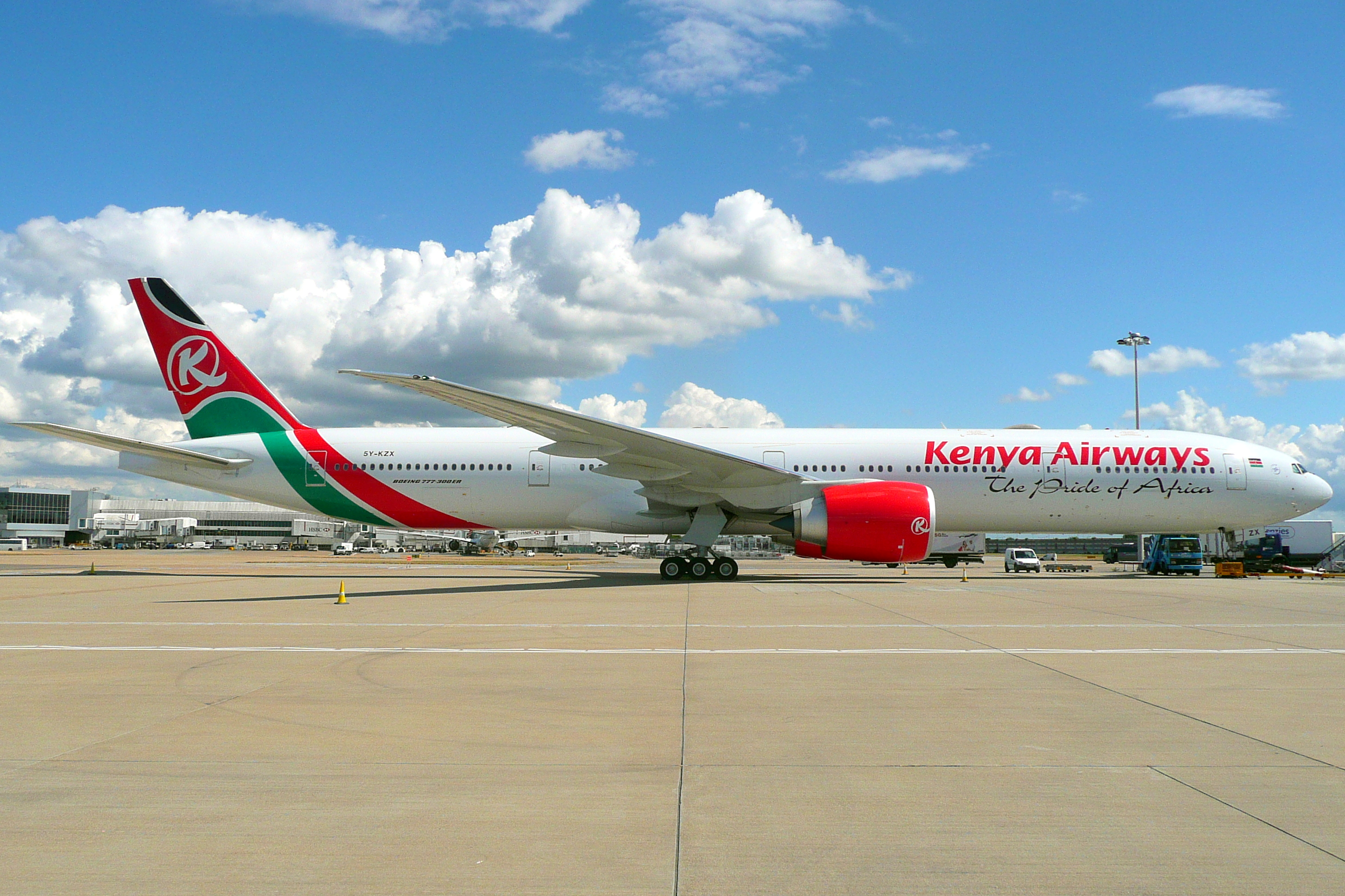
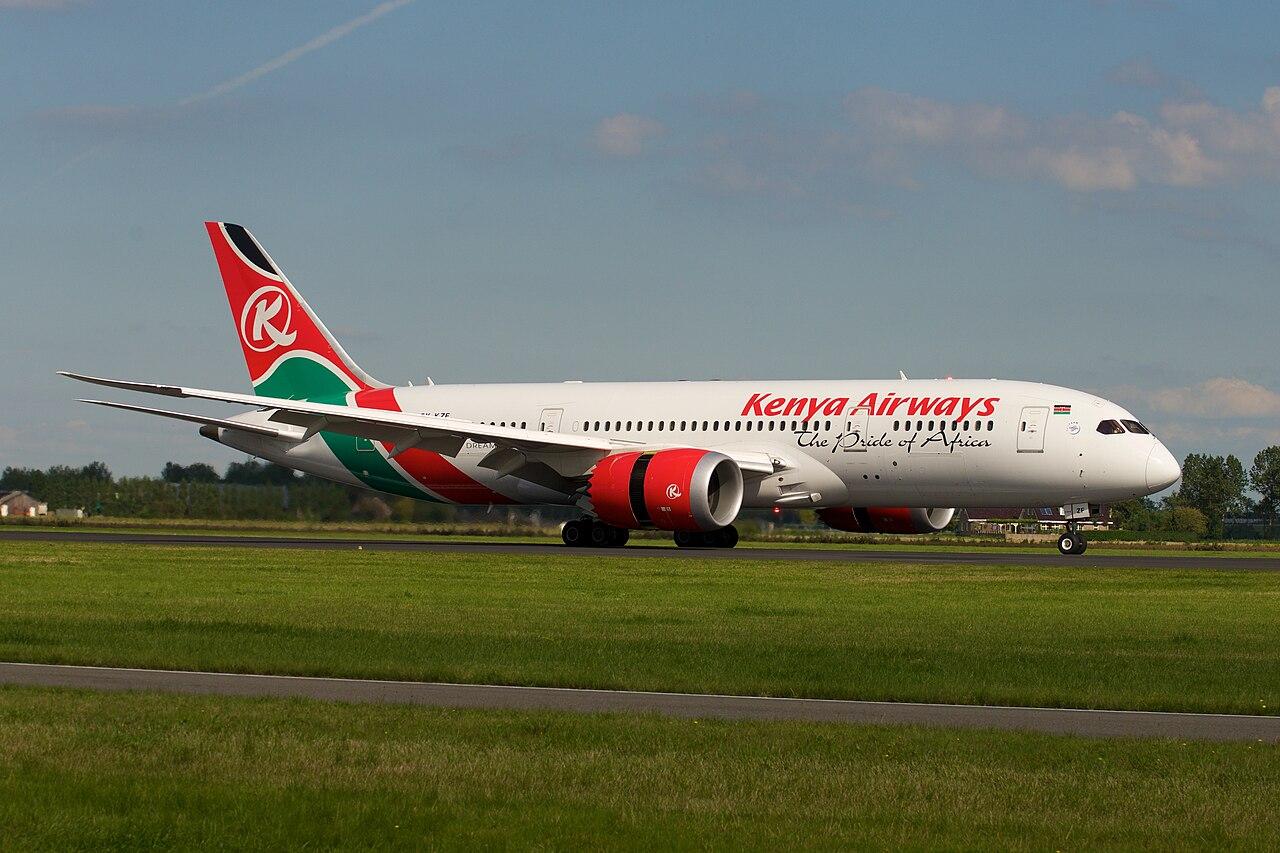
The Summer of Thin Kerosene: Why the Flight Home to Kenya Costs More This July
A ten-week closure of the Strait of Hormuz drained jet fuel stocks from Europe to the Gulf, and the bill is landing on diaspora booking screens just as the annual journey home begins.

The ritual is the same every July. Somewhere in a flat in Hounslow, a house in Frankfurt, a compound in Doha, a Kenyan opens a fare-comparison site after months of quiet saving and types the three letters that mean home: NBO. August is the month of weddings and ruracios, of grandparents meeting grandchildren for the first time, of shags trips planned around school holidays. This year, the number that comes back on the screen is bigger than the one budgeted for in January — sometimes painfully so. The reason sits thousands of kilometres from either the traveller or Nairobi, in a narrow strip of water between Iran and Oman that most passengers will never see.
The Strait That Feeds the Jet
For close to ten weeks this year, the Strait of Hormuz — the channel through which a huge share of the world's refined fuel moves — was effectively closed to shipping in the aftermath of the Iran conflict. The disruption mattered far beyond the Gulf. According to reporting by CNBC in April, the Middle East supplies roughly three quarters of Europe's net jet fuel imports, and much of that volume is routed through Hormuz. When the strait shut, the pipeline of kerosene that keeps European hubs like Amsterdam, Frankfurt and London flying began to thin, week by week, just as airlines were loading their schedules for the busiest travel season of the year.
Mwakilishi, flagging the story for Kenyan diaspora readers this week, noted that the International Air Transport Association has warned of serious pressure on summer fuel supplies at a moment when global air traffic is still climbing. The African Airlines Association has separately urged that any rationing of supply not fall hardest on African carriers and routes — a reminder that when fuel gets scarce, thinner markets are usually the first to feel it.
Nine Million Missing Seats
The clearest measure of the squeeze is not the price of a barrel but the disappearance of seats. Aviation analysts tracking the crisis estimate that roughly 9.3 million seats were removed from schedules across eleven major global markets for the June-to-September window. Lufthansa Group — a carrier many Kenyans in Germany, Switzerland and Austria rely on to reach Nairobi — cancelled around 20,000 flights through October, saying the cuts fell on its least profitable European routes. In the United States, United trimmed summer capacity by about two percent, while Delta and American cut closer to three.
Fewer seats in a season of peak demand does exactly what economics says it will. IATA has estimated average fare rises of eight to nine percent across affected markets, with sharper spikes on long-haul routes — precisely the category every Nairobi-bound journey from Europe, the Gulf or North America falls into. Forbes reported in May that some transatlantic fares were being weighed up for increases of fifteen to twenty percent.
What It Means for the Nairobi Run
Kenya's diaspora corridors are unusually exposed to this particular crisis, because almost all of them pass through the affected geography. The Gulf hubs of Dubai and Doha, which funnel enormous numbers of Kenyan travellers between Europe, North America and Nairobi, sit at the epicentre of the fuel disruption. The European hubs that carry the rest — London, Amsterdam, Frankfurt, Paris — are the very airports whose kerosene supply depends most heavily on Middle Eastern imports.
That exposure shows up in three ways. First, in fares: long-haul tickets into Nairobi for the July and August peak are carrying the industry-wide increases, and travellers comparing prices against last year's trips are noticing the difference. Second, in schedules: when carriers trim marginal frequencies to conserve fuel, secondary African routes and off-peak departures are historically among the first casualties, which can turn a one-stop journey into a two-stop one. Third, in surcharges: several carriers have introduced or expanded fuel surcharges, which appear at checkout rather than in the headline fare — the last-click sting that makes a budgeted ticket suddenly cost more.
None of this changes why people fly. The August journey home is, for many families abroad, the emotional centre of the year, planned around school calendars and saved for across many months. What changes is how much of the year's savings the journey consumes — money that might otherwise have gone home as remittances, school fees or a construction instalment.
The Reassurance, and Its Small Print
There is genuine good news inside the gloom. By early June, as The Globe and Mail reported, airlines were telling customers that fuel supply had stabilised and that the mass cancellations feared in April had largely failed to materialise. Strategic reserves were tapped, cargoes were rerouted around the closure, and the predicted collapse in capacity became, instead, a managed trim. For travellers, that means the flight you book is very likely to operate.
The small print is that prices have not followed supply back down. Fare increases layered into summer schedules in April and May are still in the system, and airlines facing higher hedged fuel costs have little incentive to unwind them mid-peak. Analysts expect meaningful relief only when the northern summer ends and demand softens in late September — timing that does nothing for anyone whose leave falls in August.
Booking Smart in a Tight Season
For diaspora travellers still to book, the practical playbook this year is unglamorous but effective. Booking as far ahead as possible matters more than usual, because the cheapest fare buckets on Nairobi routes are emptying faster in a reduced-capacity market. Flexibility on dates — flying midweek, or shifting a departure a week either side of the peak — is producing larger savings than in normal years. Travellers connecting through Gulf or European hubs should leave generous connection times, since carriers running tighter schedules have less slack to recover from delays. And anyone whose flight is cancelled or significantly delayed on a European carrier or departure retains rights to rerouting or refunds, though compensation rules treat genuine supply emergencies differently from ordinary operational failures.
The strait has reopened. The tankers are moving. But the summer of thin kerosene is already priced into the season — and for the family in Hounslow or Frankfurt staring at the booking screen, the journey home this year asks a little more of the wallet, and a little more planning, than the one before.