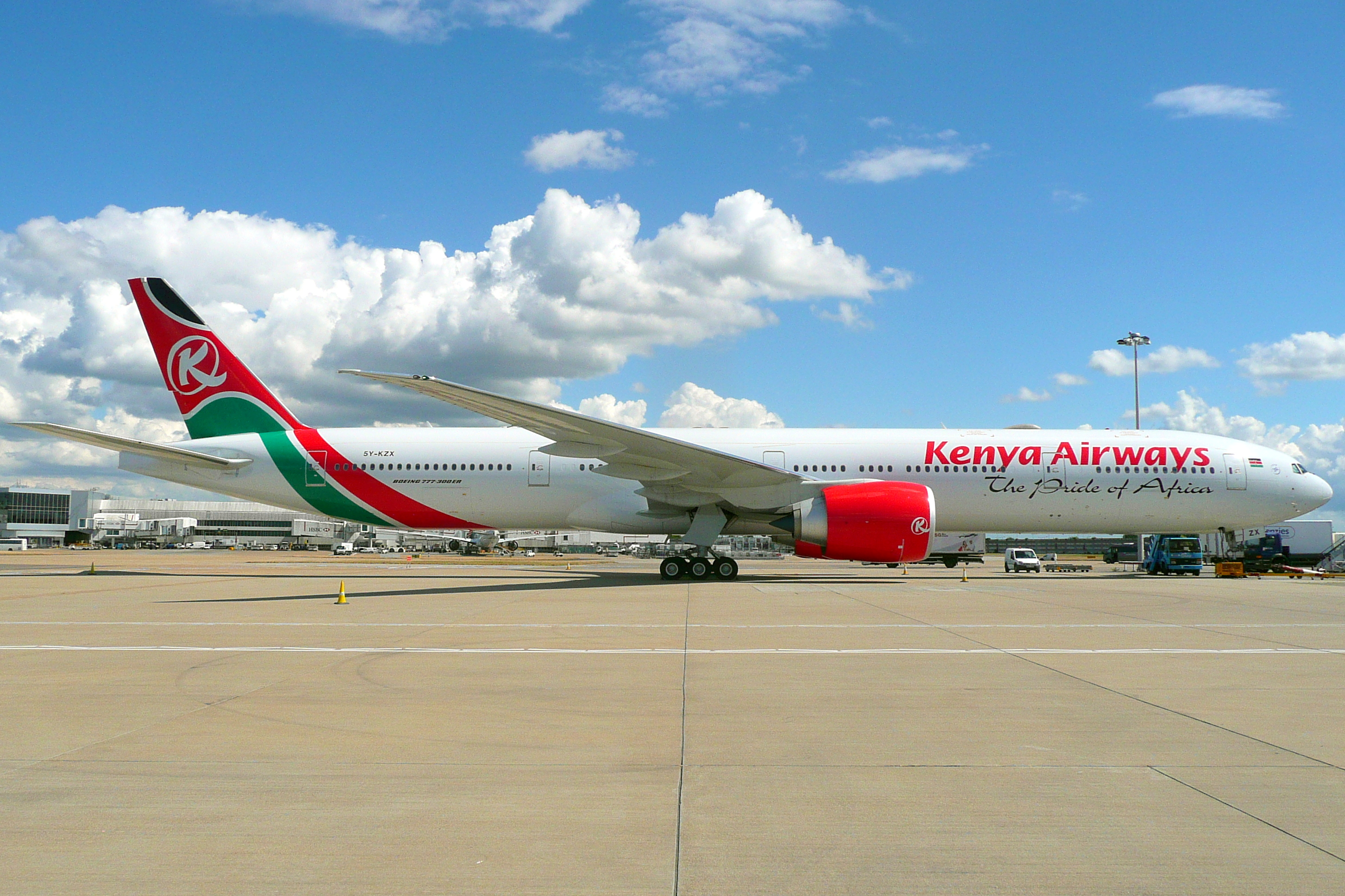
Turning Back Over Chad: The Night Kenya Airways' New York Dreamliner Came Home Early
A flight-control spoiler fault five hours into KQ002's run to JFK forced a midnight return to Nairobi — a safe landing, an anxious cabin, and a reminder of how much the diaspora's favourite route carries.
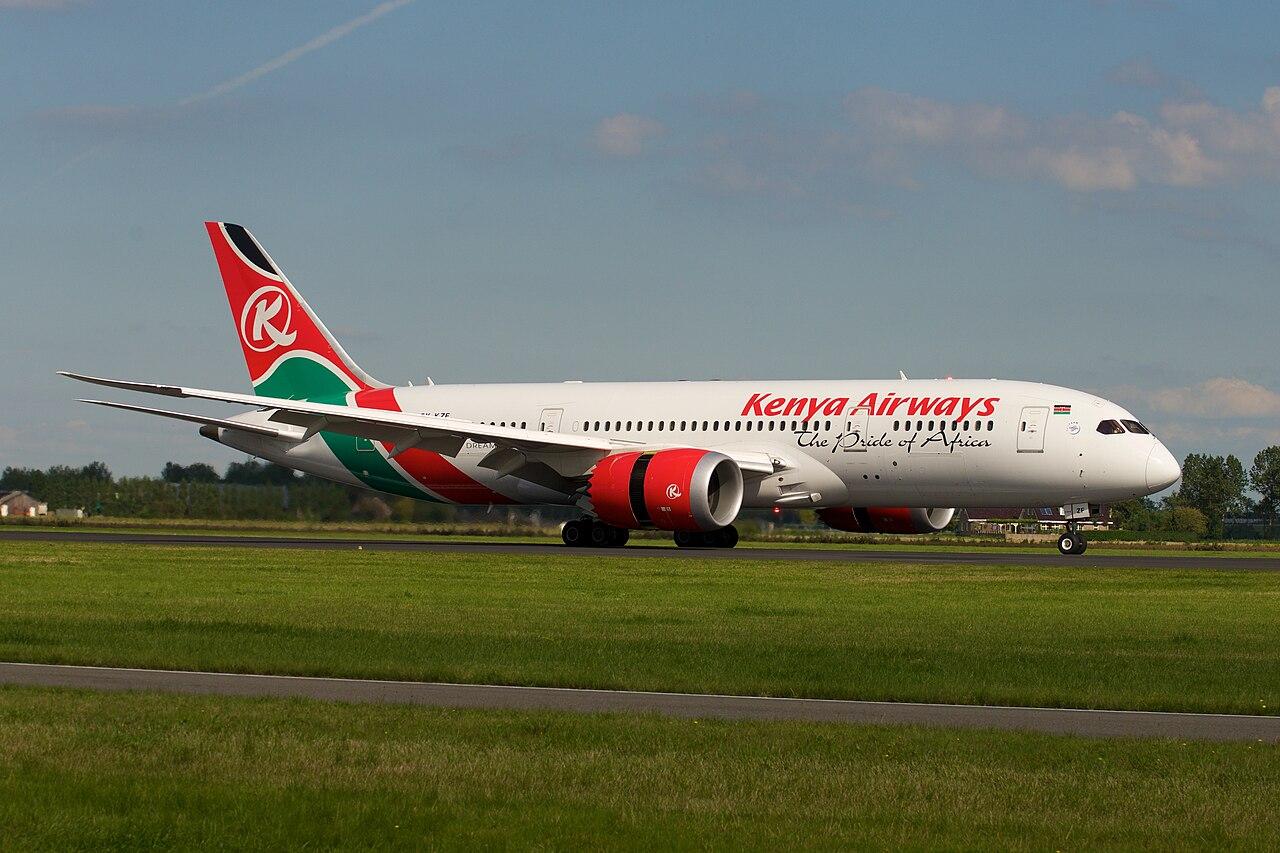
Five hours is roughly how long it takes KQ002 to put the Sahara behind it. By then the cabin has settled into the long-haul rhythm every Kenyan who has flown the New York route knows by heart: trays cleared, window shades down, fourteen hours of Atlantic ahead and a JFK arrivals hall at the end of it. On Saturday night, somewhere in the darkness over Chad, that rhythm broke. The Boeing 787-8 Dreamliner banked, turned, and began flying its own route in reverse.
Kenya Airways later confirmed what passengers had slowly pieced together from the moving map: the aircraft had developed a flight control spoiler malfunction at around 19:50, and the crew — following precautionary safety procedures — had elected to return to Nairobi rather than press on across the ocean. The jet landed safely at Jomo Kenyatta International Airport shortly after midnight. No one was hurt.
The Fault That Turned the Plane Around
Spoilers are the hinged panels that rise from the upper surface of a wing to dump lift and add drag — the mechanism a crew relies on to descend efficiently, slow the aircraft, and settle it firmly onto a runway. A malfunction in that system is not, by itself, a catastrophe; aircraft are engineered with redundancy, and crews train for exactly this kind of degraded-systems flying.
But it is the kind of fault that changes the arithmetic of a fourteen-hour ocean crossing. According to the airline's statement, reported by The Eastleigh Voice and carried widely in the Kenyan press, the crew ran their precautionary checks and chose the conservative option: turn back to the airline's main engineering base in Nairobi, where the 787 could be properly inspected, rather than continue toward a distant diversion map of mid-Atlantic alternates.
Aviation analysts note that a spoiler fault can increase drag and fuel burn — another argument against pushing a wounded aircraft across an ocean. The decision cost passengers a night. It was also, by every standard of airline safety culture, the right call.
A Route That Carries More Than Passengers
To understand why a single turnback made national news in two countries, you have to understand what the Nairobi–New York route means. When Kenya Airways launched its nonstop JFK service in 2018, it was celebrated as more than a schedule addition. It stitched the largest Kenyan community in North America directly to home — no more Amsterdam or Dubai layovers with children and coffins and Christmas luggage.
Since then, KQ002 and its sister rotations have become the diaspora's artery. It is the flight that carries new graduate students in August and grandmothers visiting newborns in the winter. It carries remittances in reverse: suitcases of requested goods, land title documents, wedding gowns. When something goes wrong with this route — a schedule cut, a fare spike, a mid-air turnback — the ripple is felt in Kenyan households from New Jersey to Texas.
That is why Sunday's news travelled so fast through community WhatsApp groups, long before the airline's statement caught up with it. NBC News picked up the story in the United States, reporting that the New York-bound flight had been diverted over malfunctioning flight controls — a reminder that the route's audience now sits on both ends.
What Passengers Experienced
Accounts relayed in Kenyan media describe an anxious but orderly cabin. There was no dramatic announcement of emergency, no oxygen masks — just the slow realisation that the aircraft was flying south-east when it should have been flying north-west, followed by the captain's explanation and a long, quiet descent into a city most passengers had said goodbye to hours earlier.
Kenya Airways said it would rebook affected customers on the next available flights and assist with itineraries. For some passengers that meant hotel rooms and a lost day; for others, missed connections in New York and the cascading complications familiar to anyone whose travel plans run through multiple bookings. The airline's handling of those downstream costs — smooth or shambolic — will shape how this incident is remembered by the people on board far more than the technical fault itself.
The Dreamliner Question
The aircraft involved is part of the 787 fleet that forms the backbone of Kenya Airways' long-haul operation. The Dreamliner has had a globally scrutinised history — from its early battery grounding to more recent manufacturing audits at Boeing — and every incident involving the type now lands in a news environment primed to pay attention.
It is worth keeping the frame honest: a spoiler malfunction followed by a precautionary return and a safe landing is aviation working as designed, not a scandal. Turnbacks of this kind happen across the industry every week. But for a carrier in the middle of a long turnaround effort, which has staked its recovery partly on premium long-haul routes like New York, reliability is reputation. Every diaspora passenger who books KQ against a Gulf carrier's price is making a small act of loyalty. The airline repays it, or erodes it, in moments like these.
The Longer Runway
Kenya Airways will now do what airlines do: inspect the aircraft, file the reports, return the jet to service, and move on. Regulators will take their look. The passengers will get to New York a day late, and the route will keep flying.
What lingers is the reminder of how much weight one thin air corridor carries. For hundreds of thousands of Kenyans in America, KQ002 is not an itinerary; it is the physical fact of being reachable — the guarantee that home is one boarding pass away, in either direction, when a parent falls ill or a graduation cannot be missed. On Saturday night that guarantee bent, turned around over Chad, and landed safely back where it started. By Sunday evening it was in the air again. That, in the end, is the story: the route held, because the crew refused to gamble with it.