The Strait That Holds Its Breath: How a Hormuz Deal and a Beirut Strike Reach Kenya's Gulf Diaspora
As Washington and Tehran edge toward a deal to reopen the Strait of Hormuz, fresh Israeli strikes on Beirut leave hundreds of thousands of Kenyans working across the Gulf watching, and waiting.
In a staff dormitory on the edge of Doha, a Kenyan housekeeper kept her phone face-up on the bed all of Sunday. She was not scrolling for entertainment. She was waiting, the way millions across the Gulf were waiting, for a single piece of news: whether a deal would be signed that day, and whether the narrow stretch of sea a few hundred kilometres to the east would open again.
For most of the world, the Strait of Hormuz is an abstraction, a line on a map between Iran and the Arabian Peninsula. For the hundreds of thousands of Kenyans who clean its hotels, nurse in its hospitals, drive its trucks and guard its buildings, the strait has become the most important geography in their lives. Its closure has frozen markets, rattled airlines and unsettled the economies that pay their wages. Its reopening, promised but not yet delivered, would be the first sign that the worst is passing.
The waterway the world cannot do without
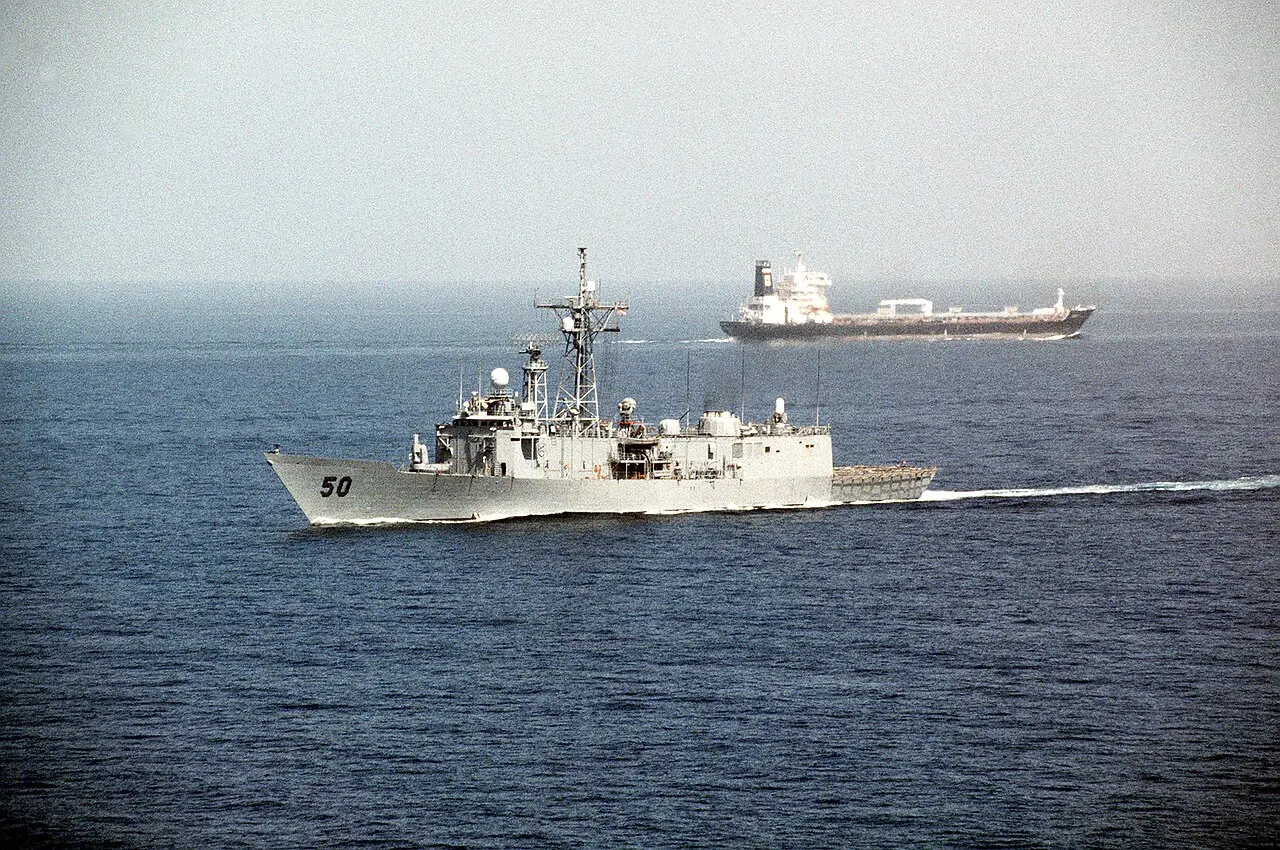
The Strait of Hormuz is one of the most consequential bottlenecks on the planet. Analysts estimate that roughly a fifth of the world's seaborne oil passes through it, a flow no other route can fully replace. When that flow stops, the effect is not gradual. Prices spike, shipping insurance soars, and goods that depend on cheap energy grow more expensive almost overnight.
That is the situation the world has been living with. The closure of the strait, regional officials told international outlets, has thrown global markets into disarray, and it is the central problem that negotiators are now racing to solve. United States President Donald Trump said the strait would reopen immediately once an agreement to end the war between Washington and Tehran is signed. The promise is enormous precisely because the stakes are.
Why a closed strait reaches Nairobi
Kenya does not border the Gulf, but its economy is tethered to it in ways many citizens only notice when something breaks. The country imports virtually all of its petroleum, and a sustained spike in global oil prices feeds quickly into pump prices, transport costs and the price of nearly everything that moves by road. A weaker shilling, pressured by a larger import bill, makes the squeeze worse.
For families back home, that pressure is often absorbed by money sent from abroad. Diaspora remittances are among Kenya's largest sources of foreign exchange, a cushion that holds households together through every shock. But the Gulf is not only a place that receives Kenyan money; over the past decade it has become one of the busiest corridors for Kenyan labour migration itself. When the region that employs so many Kenyans is gripped by war and uncertainty, the cushion and the people who provide it are exposed at the same time.
The Kenyans caught in the middle
Earlier this year, as the conflict between Israel, the United States and Iran sharpened, Kenyan officials estimated that roughly 400,000 nationals were living across the wider Middle East, and the Ministry of Foreign and Diaspora Affairs urged them to avoid high-risk areas, register with their embassies and monitor official guidance. Kenya Airways, the national carrier, suspended some Gulf flights during the height of the tension.
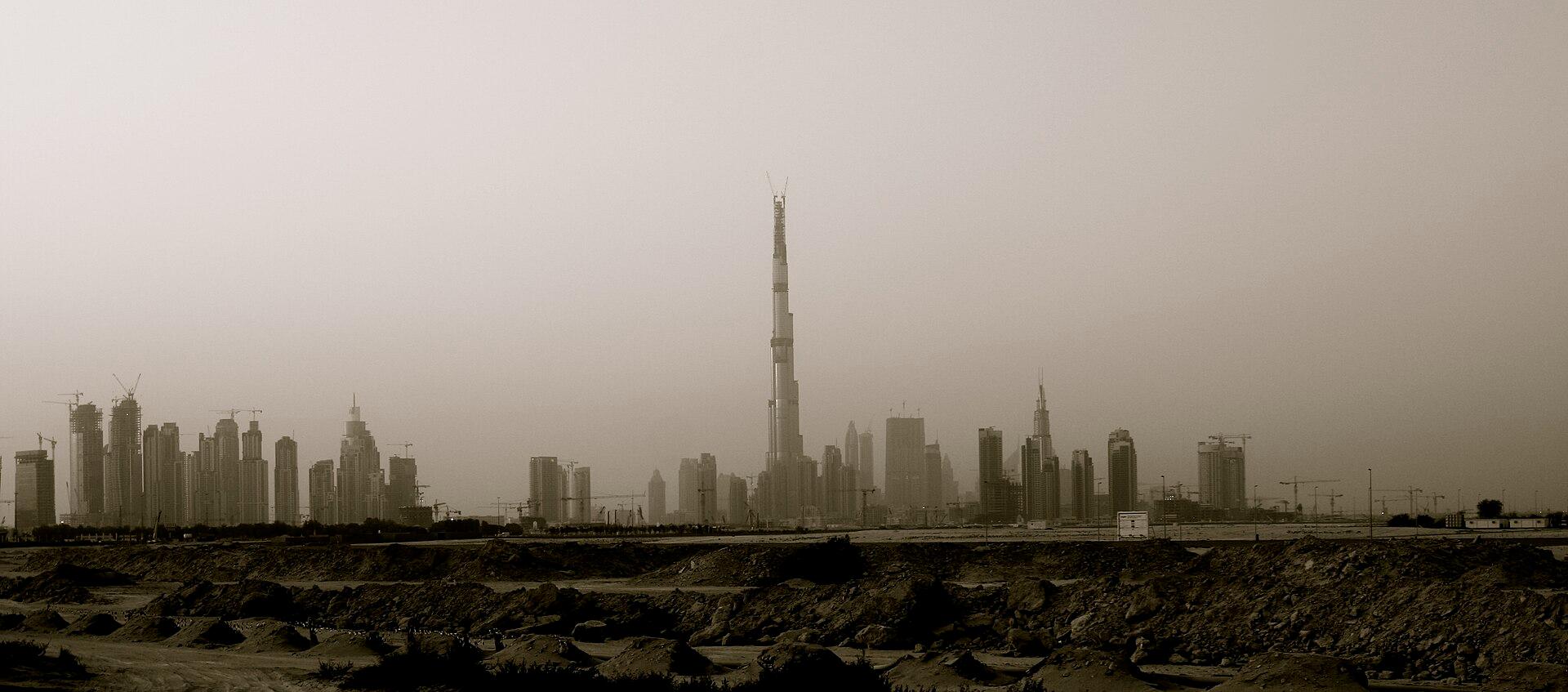
Those advisories were issued weeks ago, but the anxiety they named has not gone away. The Kenyans affected are rarely diplomats or executives. They are domestic workers in Riyadh, hospital staff in Abu Dhabi, security guards in Doha and labourers on construction sites that ring the Gulf's skylines. Many travelled on contracts that are difficult to break, into countries where their movement and their wages are tied to a single employer. For them, "exercise caution" is not abstract advice. It is a daily calculation about whether to go to work, whether to send money this month, and whether the airport will be open if they need to leave.
A deal that keeps slipping
The diplomacy has been agonisingly close, and then not. Trump and Pakistani Prime Minister Shehbaz Sharif said on Saturday that an agreement to end the war would be signed on Sunday. Iran's foreign ministry was more cautious, with its spokesperson suggesting it could come in the days ahead rather than on a fixed date. Qatari mediators flew to Tehran on Sunday in a push to finalise the terms, and regional officials expressed cautious optimism that the two sides were nearing an understanding that would halt hostilities and reopen the strait.
Then came the strikes. Israel's military hit the southern suburbs of Beirut on Sunday, sending smoke over the Lebanese capital. The office of Prime Minister Benjamin Netanyahu said the operation was a response to Hezbollah attacks on northern Israel. The timing alarmed Washington. Trump signalled that the Beirut operation was unwelcome and ill-timed, warning the parties not to wreck the emerging agreement even as he insisted the United States remained close to a deal and urged all sides to stand down. For the diaspora watching from afar, it was a familiar and exhausting pattern: a breakthrough announced, a shock delivered, the breakthrough deferred.
What the diaspora is watching for
The signing of an agreement, if it holds, would matter to Kenyans in the Gulf in immediate and practical ways. A reopened strait would ease the oil-price pressure that has been climbing toward Kenyan households. A genuine ceasefire would lower the daily risk for workers living within range of the conflict's widening edges. And a return to normal aviation would restore the routes that connect them to home, to family emergencies, and to the option of leaving if they choose.
None of that is guaranteed. The deal remained unsigned as the weekend closed, the strikes on Beirut showed how quickly the picture can darken, and the gap between Washington's optimism and Tehran's caution left room for further delay. For now, the most powerful thing many Kenyans abroad can do is what the housekeeper in Doha did all of Sunday: keep the phone close, watch the news, and wait for the strait to breathe again.
For a community that measures its connection to home in remittances and flight schedules, the next few days will be read not as distant geopolitics but as a question about their own lives. The world is waiting to see whether a deal is signed. The Kenyan diaspora in the Gulf is waiting to find out what it will cost them if it is not.