The Closing Skies: How Israel's Ebola Travel Ban Walls East Africa Off From Its Diaspora
As Israel bars travellers from Kenya and four neighbours over Ebola, a familiar wall rises — and Kenyans abroad count the cost of a closing border.
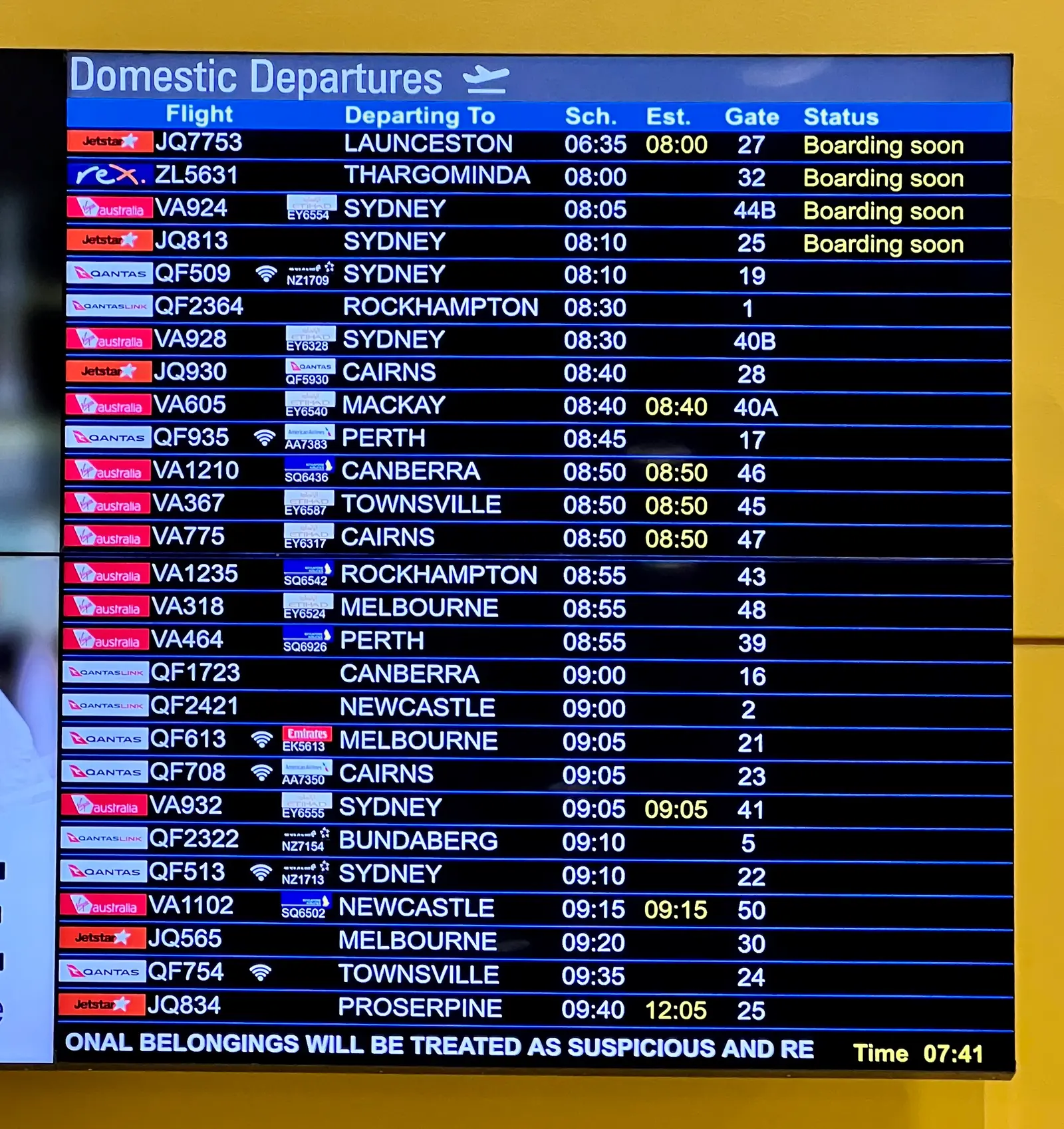
At the international departures hall of Jomo Kenyatta International Airport, the most consequential document this week is not a passport or a boarding pass. It is a short notice circulated to airlines, instructing their agents to look at where a traveller has been before deciding whether they may fly at all. For passengers booked to Israel, a green page and a valid visa are no longer enough. The new question at the check-in desk is one of geography: are you Kenyan, and where have you stood in the last three weeks?
That question, quietly added to the boarding routine, is the local face of a decision taken far away. On 10 June, Israel's Border Control Department issued a directive barring nationals of Kenya, Uganda, Rwanda, South Sudan and the Democratic Republic of the Congo from boarding flights to the country, citing fears over a spreading Ebola outbreak. For a diaspora used to thinking of borders as paperwork to be managed, the order is a reminder of how fast a door can close.
What Israel Ordered
The directive is narrow on paper and wide in effect. According to the notice circulated to carriers, citizens of the five named countries may not board flights bound for Israel. Airlines have been told to screen passengers before departure and to refuse boarding to anyone the rules cover. "Your strict compliance with these directives and your cooperation are highly appreciated," officials wrote to the airlines, in the flat language of border bureaucracy.
The measures do not touch Israeli citizens or permanent residents, who may still return home, though they face health screening on arrival. Authorities have not said how long the restrictions will last, describing them only as subject to review as the situation develops. For everyone else on the list, the timeline is simply blank — a closure without an announced end.
The 21-Day Snare
The detail that matters most to the diaspora is not the headline ban but its reach. The order also applies to foreign nationals of any country who have visited one of the five listed states within 21 days before their planned arrival in Israel. That clause turns an ordinary act of belonging — going home — into a temporary disqualification.
Consider the shape of a typical diaspora journey. A Kenyan nurse based in Manchester flies to Nairobi to bury a parent, then plans to continue to Tel Aviv for a long-booked pilgrimage. A trader in Dubai swings through Kampala to see family before a business trip. Under the 21-day rule, the recent stamp in their passport, not their residence or citizenship abroad, decides the matter. The ban is built to catch precisely the people who move between worlds, which is to say the diaspora itself.
For Kenyans, travel to Israel is not abstract. The country sends a steady stream of Christian pilgrims to the Holy Land each year, alongside traders, students and family visitors. For all of them, the skies have, for now, closed — not because of anything they did, but because of where their feet have recently touched.
A Wall Built in Stages
Israel's order did not arrive in isolation. By its own account, the decision follows similar steps already taken by the United States and the United Arab Emirates as governments move to seal their borders against the outbreak. Seen together, the measures form a pattern the diaspora has learned to read with unease: restrictions announced one capital at a time, each justified on its own terms, adding up to a continent increasingly walled off.
That cumulative effect is what worries community organisers abroad. Kenyans living overseas have spent recent months absorbing a run of tightening rules — sharper scrutiny of green cards, reduced visa-processing capacity on the continent, higher salary thresholds in some host countries. An Ebola travel ban belongs to a different category, driven by public health rather than migration policy. But to a family trying to plan a wedding, a funeral or a graduation across two continents, the distinction can feel academic. Another route has closed, and no one can say for how long.
The Outbreak Behind the Border
The restrictions rest on a genuine and worsening emergency. According to reporting on the outbreak, the Democratic Republic of the Congo has recorded close to a thousand infections and more than two hundred deaths since early May, with confirmed cases also reported in Uganda. The World Health Organization has described the situation as critical as the virus crosses borders within the region.
Kenya has not reported the scale of cases seen in the DRC, a point that fuels quiet frustration among some travellers who feel the country has been grouped with its neighbours by geography rather than evidence. At Jomo Kenyatta International Airport, the Health Ministry has reinforced its defences — thermal scanners, isolation facilities and stepped-up surveillance — in an effort to strengthen early detection. The aim, officials say, is to keep Kenya a country that screens rather than one that is screened out. The travel bans, arriving regardless, suggest how hard that line is to hold once fear begins to set the rules.
What the Diaspora Stands to Lose
For Kenyans abroad, the immediate losses are measured in cancelled bookings and rearranged plans. The deeper cost is to a sense of mobility that the diaspora has long taken as a quiet birthright: the assumption that home and host country are connected by an open corridor, that a passport and a ticket are enough to bridge the distance when it matters. Travel underpins more than sentiment. It carries the trade, tourism and family support that bind Kenya to its citizens overseas, and each closure chips at that connective tissue.
Public health emergencies demand hard choices, and few would argue that governments should ignore a deadly virus moving across borders. Reasonable observers will weigh the bans differently — some as prudent caution, others as restrictions that lump a whole region together and outrun the evidence. What the diaspora is left holding, in the meantime, is uncertainty: an order with no end date, a rule that reads recent geography as risk, and the familiar work of waiting for a door to open again. For now, at the JKIA departures desk, the answer to the new question decides who flies — and who goes home to wait.