The Receipt That Crosses an Ocean: How Kenya's Rising Medical Bills Land on the Diaspora Who Quietly Pay Them
A new global report says Kenyan medical costs will climb 13.5% this year. For families abroad, that forecast arrives as a text message asking for help.
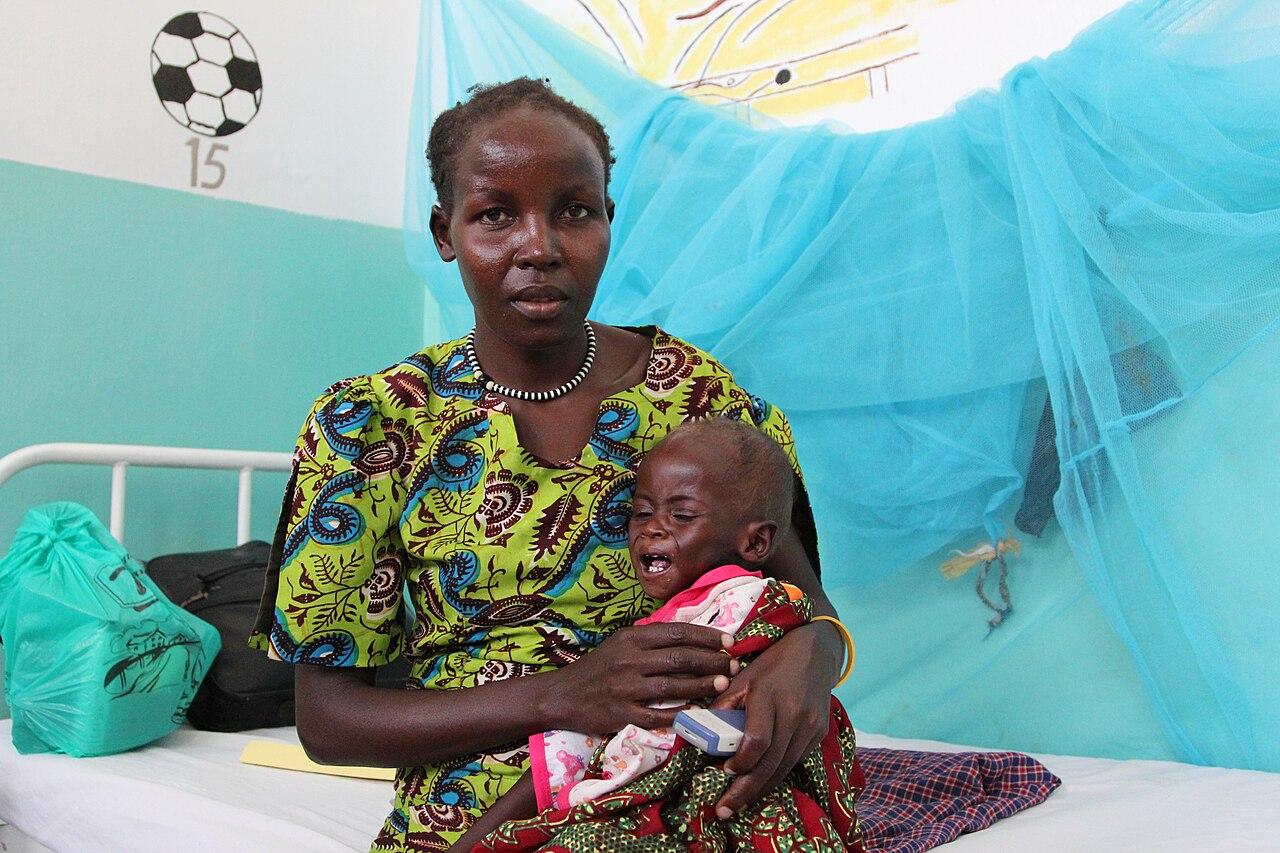
The message usually comes after midnight in the West, which is morning in Nairobi. A cousin has been admitted. The hospital wants a deposit before the doctor will see him. Can you send something, today, by M-Pesa? For tens of thousands of Kenyans living in Houston, Manchester, Toronto and Doha, that text is a familiar weight — and a new report suggests it is about to get heavier.
Healthcare costs in Kenya are projected to keep climbing through 2026, even as the government pushes to make care more affordable through the Social Health Insurance Fund. According to the 2026 Global Medical Trend Rates Report by the consulting firm Aon, medical costs in Kenya are expected to rise 13.5 percent this year, up from 13 percent in 2025. With general inflation running at about 4.9 percent, that leaves a net medical trend of 8.6 percent — meaning the price of getting treated is rising almost twice as fast as the price of everything else.
For the people who read Kenyan news from abroad to stay close to home, the figure is not an abstraction. It is the difference between a bill a family can absorb and one that travels, by mobile money, across an ocean.
A Report That Put a Number on the Worry
The Aon report frames Kenya's situation within a wider regional squeeze. The Middle East and Africa region is expected to record an average medical trend rate of 15.3 percent in 2026, among the highest in the world. Even as broad inflation cools across much of the region, the cost of medicine and treatment keeps outrunning it.
The drivers Aon identifies are structural and slow to shift: rising demand for healthcare services, heavy dependence on imported drugs and equipment combined with a weaker shilling, and a growing burden of chronic disease. The report names cardiovascular disease as the single biggest cost driver globally, followed by cancer, hypertension and diabetes. Newer prescription drugs, including the GLP-1 medicines used for diabetes and weight management, are pushing costs up further in many markets.
None of those pressures respect a household budget. A diabetes diagnosis or a cancer scare in Kisumu or Kakamega can turn, within weeks, into a running tab that no single salary at home can carry alone.
The Insurance That Was Meant to Catch Them
The rising-cost forecast lands at a delicate moment for Kenya's health financing. The Social Health Insurance Fund replaced the long-running National Health Insurance Fund as the centerpiece of the country's drive toward Universal Health Coverage. SHIF, run by the Social Health Authority, was designed to pool risk more widely and to push down the share of bills that patients pay directly out of pocket.
The early returns have been hard. Reporting by the Daily Nation has chronicled a transition in which many patients struggled to access care, with private hospitals reporting that large numbers of patients were paying cash rather than relying on cover. The authority has wrestled with a financing gap measured in the tens of billions of shillings, and with the basic arithmetic of a scheme in which far more people are registered than are actually paying monthly contributions.
Out-of-pocket spending — money handed over at the hospital window, not covered by any insurer — still accounts for a substantial slice of total health expenditure in Kenya. When a new report projects that the underlying cost of care will rise another 13.5 percent, it is effectively projecting that this slice, for many families, will grow.
The Diaspora as the Insurer of Last Resort
This is where the story stops being only a domestic one. Kenya's diaspora has long functioned as an informal safety net, and remittances are now among the country's largest sources of foreign exchange. A meaningful share of that money does not buy land or pay school fees; it settles hospital bills.
When formal cover falls short, the gap is often closed by a relative abroad. The online fundraisers that circulate on Kenyan WhatsApp groups — for a surgery, an ICU stay, a cancer treatment plan — are frequently seeded and sustained by diaspora donors. The 2 a.m. M-Pesa request is, in practical terms, a claim filed against the family member with the steadiest foreign income.
Rising medical inflation changes the size of those claims. A treatment that cost a manageable sum last year costs more this year, and the person asked to make up the difference is often the nurse in Texas, the care worker in Birmingham, the engineer in Calgary. They are, quietly, part of Kenya's health financing system — just not on any official ledger.
Why the Costs Keep Climbing
Understanding why the bills keep rising helps explain why the diaspora's role is unlikely to shrink on its own. Kenya imports much of its medicine and medical equipment, so a weaker shilling raises prices before a single patient is treated. Demand is rising as the population ages and as chronic conditions — hypertension, diabetes, heart disease — become more common, each requiring not a one-time cure but years of management.
These are not problems that a single budget cycle resolves. Aon's analysts note that medical inflation worldwide remains elevated because of higher utilization, the adoption of advanced and expensive technologies, and growing demand for private care. In a country still building out its public coverage, those forces land disproportionately on households — and on the people those households can call.
There is a quiet irony in the numbers. The very reforms meant to reduce out-of-pocket spending are being introduced into an environment where the cost of care is accelerating, which means the system has to run faster simply to keep families from falling further behind.
What It Means for Families on Both Ends
For Kenyans abroad, the practical takeaway is not panic but planning. Community organizers and financial advisers who work with the diaspora increasingly talk about treating medical support as a predictable expense rather than an emergency — building a small reserve, understanding how SHIF cover works for relatives back home, and knowing which facilities a family member is actually entitled to use before a crisis forces the question.
For the system at home, the report is a warning that affordability cannot be legislated into existence while underlying costs climb. Universal Health Coverage is meant to be the promise that no family is ruined by illness. Until that promise is fully funded and fully felt, the gap will keep being filled the way it has been for years — by someone several time zones away, watching the news from home and waiting for the message they hope will not come.
The forecast says costs will rise 13.5 percent. The diaspora already knows what that feels like. It feels like a phone lighting up in the dark.