The Test That Travels Light: How Kenya's Push to End Cervical Cancer Leans on the Diaspora Who Quietly Fund the Cure
Kenya's first national plan to eliminate cervical cancer rests on early screening at home and on the relatives abroad who pay for the treatment that follows.
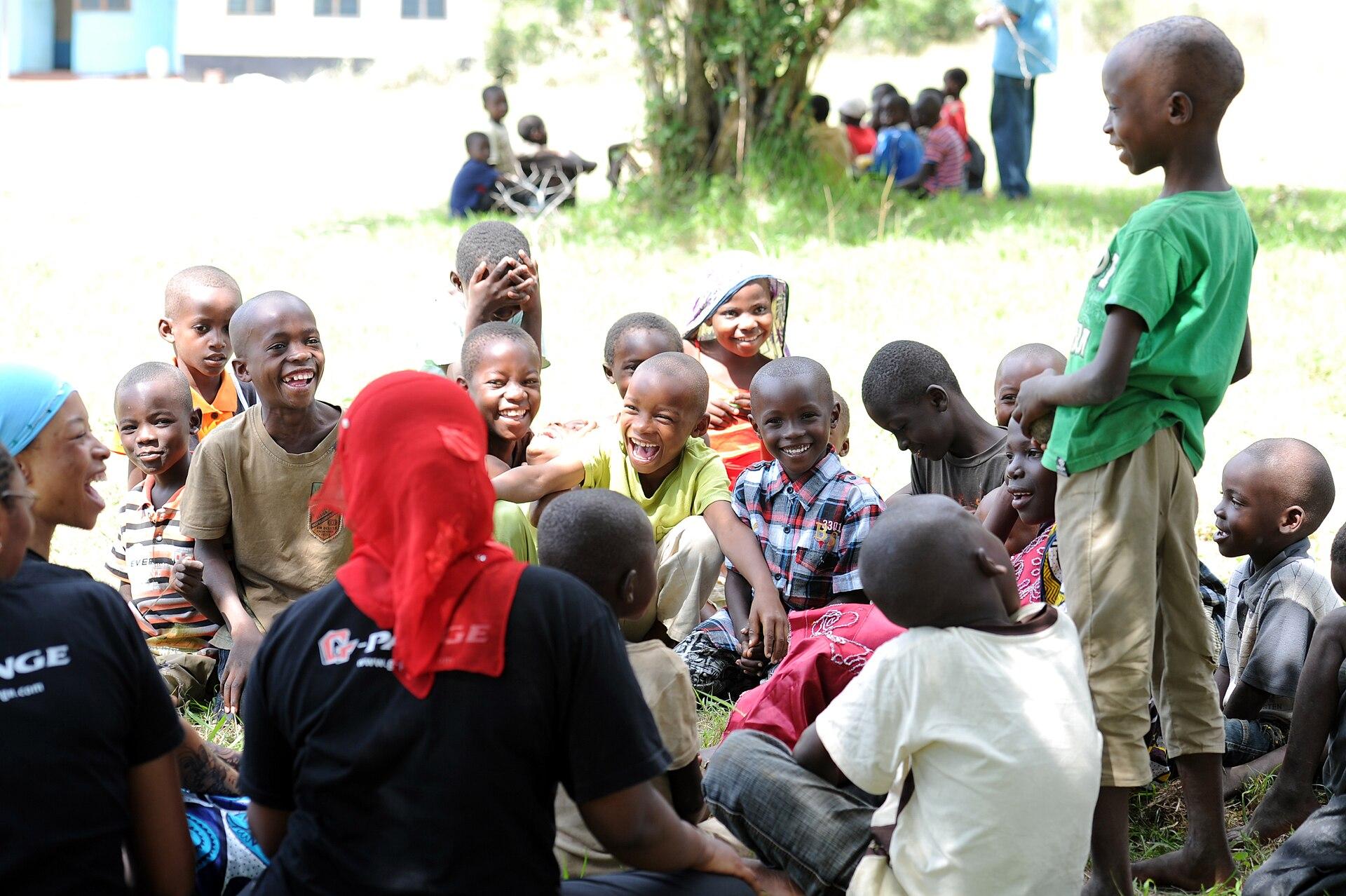
Across Kenya this year, a quiet scene keeps repeating itself. A woman who feels perfectly well walks into a screening tent pitched outside a sub-county hospital, mostly because a neighbour or a community health worker nudged her to come. She has no pain, no symptoms, no reason to think anything is wrong. A few minutes later, a test result tells her otherwise. For some, that test is the difference between a treatable lesion caught early and a cancer discovered too late.
That ordinary, almost undramatic moment sits at the centre of a much larger national gamble. Kenya has launched its first National Cervical Cancer Elimination Action Plan, a roadmap running from 2026 to 2030 that aims to turn one of the country's deadliest cancers into a rare disease. And it is a story the Kenyan diaspora has every reason to follow closely, because when an early test becomes a late diagnosis, it is very often a relative abroad who ends up paying for what comes next.
A diagnosis that arrives in silence
Cervical cancer is unusual among cancers in that it is largely preventable and, when caught early, highly treatable. The disease develops slowly, usually over years, from infection with high-risk strains of the human papillomavirus. That long runway is exactly what makes screening so powerful: a routine test can find changes in the cervix before they ever become cancer, at a stage when treatment is simple and survival rates are high.
The cruelty is that the early stages produce no warning. By the time symptoms appear, the disease has frequently advanced to a point where treatment is harder, longer and far more expensive. This is why public-health officials talk about early detection less as a medical procedure and more as a habit that has to be built, woman by woman, county by county.
The arithmetic of a preventable cancer
The scale of the problem in Kenya is sobering. Cervical cancer is the second most common cancer among Kenyan women, with health authorities and the World Health Organization citing roughly 5,800 new cases and around 3,600 deaths each year. Put differently, the country loses thousands of women annually to a cancer that modern medicine knows how to prevent.
Those deaths are not evenly distributed. They fall hardest on women in rural areas and lower-income households, where screening services are thinnest, awareness is lowest, and the cost of travelling to a distant facility for a test can itself be a deterrent. A woman in Nairobi with a steady income and a nearby clinic is far more likely to be screened than a woman in a remote ward who has never been offered the test at all. The cancer is the same; the odds are not.
A national plan with a 2030 deadline
The new elimination plan is Kenya's attempt to close that gap on a fixed timeline. It aligns the country with the World Health Organization's global elimination strategy, which sets ambitious targets for vaccinating girls against HPV, screening women with high-performance tests, and ensuring that those who need treatment actually receive it.
In practice, the Kenyan plan leans on a handful of concrete shifts. It prioritises HPV DNA testing, a more accurate method than older visual-inspection techniques. It promotes self-sampling, which allows a woman to collect her own sample and sidestep some of the discomfort and stigma that keep many away from screening. And it commits to strengthening the referral pathways that decide whether a positive result leads to timely treatment or simply disappears into a backlog. Programmes such as integrated cancer-screening drives in counties including Nyandarua and Bungoma have already begun bundling cervical screening with checks for breast cancer and other conditions, reaching thousands of women in a single sweep.
The hardest part is not the science. It is the logistics of reaching every woman in all 47 counties, repeatedly, and then making sure the system behind the test can deliver care when the test comes back positive.
The relatives who pay from abroad
This is where the diaspora enters a story that, on its surface, looks purely domestic. When a Kenyan family is hit with a cancer diagnosis, the bills that follow rarely stay within the country. Biopsies, scans, chemotherapy, radiotherapy and surgery can quickly run beyond what an ordinary household can absorb, and the first calls for help often travel across oceans.
Anyone who has spent time in Kenyan diaspora networks in the United States, the United Kingdom or the Gulf knows the rhythm. A WhatsApp group lights up with a fundraising appeal. An M-Changa or harambee page circulates. Cousins, classmates and church members abroad send what they can, and the money flows home through the same remittance channels that already make the diaspora one of Kenya's largest sources of foreign exchange, with annual inflows now exceeding four billion dollars. Much of that money is meant for school fees, rent and small businesses. A painful share of it goes to medical emergencies that earlier screening might have prevented.
That is the quiet economics of late diagnosis. Every cancer caught early is not only a life more likely to be saved; it is also a family spared a financial shock that often lands, in part, on relatives thousands of kilometres away.
The screening gap between two passports
There is a second, more personal dimension for Kenyans abroad. A Kenyan woman living in Britain, Canada or the United States is typically folded into a health system that offers routine cervical screening as a matter of course, with reminders, follow-ups and subsidised or free tests. Her sister or mother back home may go years without ever being offered the same test.
That contrast is jarring once you notice it. The same family, the same genetics, the same risk, but radically different odds depending on which side of a border a woman happens to live. It is part of why diaspora health professionals, including many of the Kenyan nurses now working in Western hospitals, have become quiet advocates for screening back home, funding medical camps, sharing information in family groups, and pressing relatives to get tested while they still feel well.
What early detection actually changes
The central message of Kenya's elimination push is almost stubbornly simple: a test today is cheaper, kinder and more effective than treatment tomorrow. Survivors who now speak publicly about their experience tend to repeat the same point, that the diagnosis they once feared turned out to be survivable precisely because it was caught in time.
For the diaspora, that message carries a practical weight. The most valuable thing a relative abroad can send home is not always money for treatment after the fact. Sometimes it is a phone call urging a mother, a sister or an aunt to walk into a screening tent while she still feels fine. Kenya's 2026 plan has set the targets and the deadline. Whether the country meets them will depend on millions of small decisions to get tested early, many of them encouraged by the very families who would otherwise be asked to pay for the alternative.


