Ten Minutes, Then a Paywall: How a YouTube World Cup Deal Splits the Diaspora by Where They Live
FIFA's free YouTube experiment hands every fan the first ten minutes of every match — but where a Kenyan lives still decides how they watch the rest.
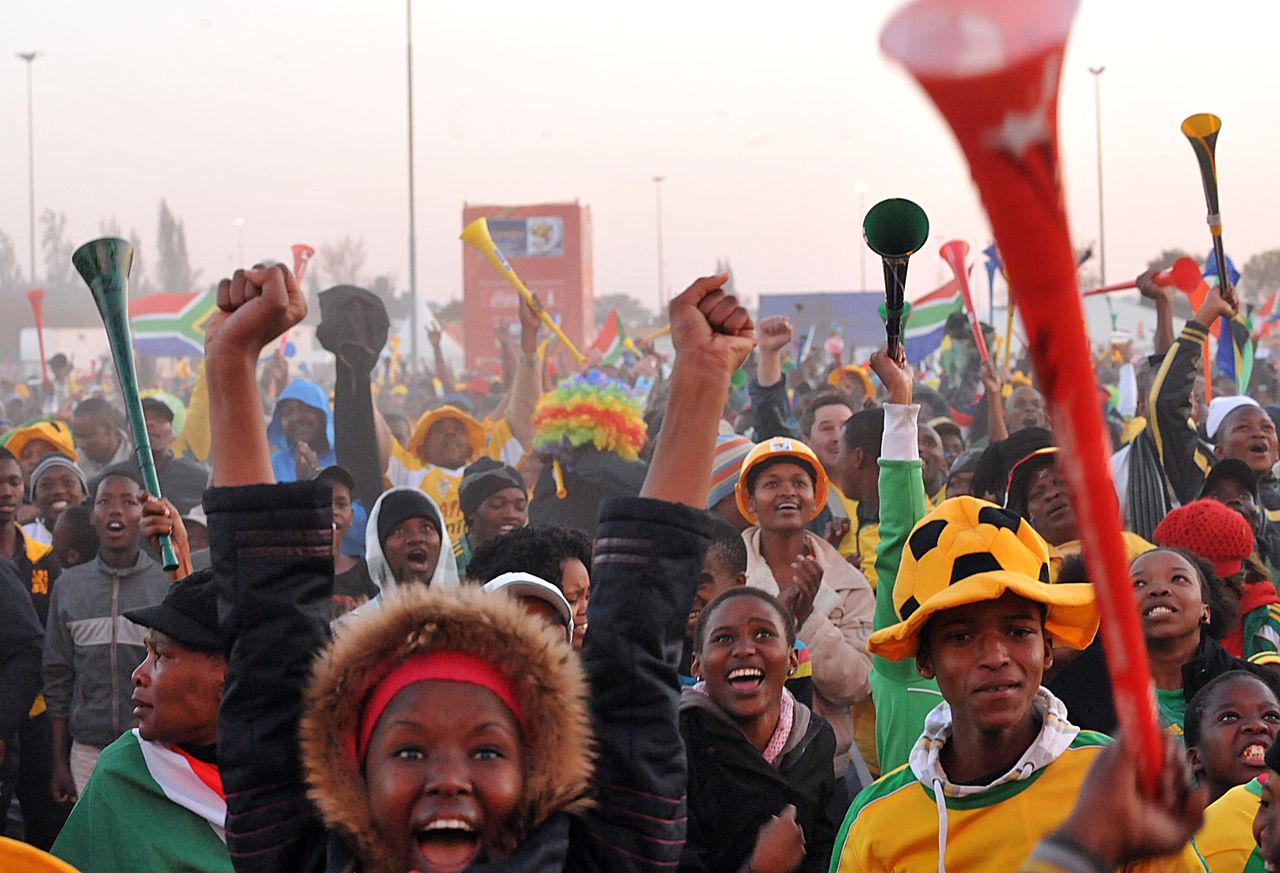
In Nairobi, the simplest way to watch the opening match of the 2026 World Cup costs almost nothing: a television tuned to the state broadcaster, a plate of food, and the patience to sit through the build-up. Several thousand kilometres away, a Kenyan nurse finishing a night shift in Manchester, or a software engineer in Dallas settling in before the working day, faces a more complicated question. The match is the same — Mexico against South Africa, the tournament's first fixture on Thursday — but the route to the screen is not. For the global Kenyan diaspora, the first World Cup hosted across the United States, Canada and Mexico arrives not as a single broadcast but as a patchwork of apps, subscriptions and ten-minute previews, assembled differently in every country they have made home.
That patchwork is partly the product of a deal that, until this week, most fans had never heard of.
The deal that changed the channel
Ahead of the tournament, FIFA and YouTube reached what the platform describes as a "preferred platform" agreement. It allows official broadcasters to stream the first ten minutes of every one of the tournament's 104 matches free on their YouTube channels, with some partners choosing to show selected full games from start to finish. YouTube has framed it as the most accessible World Cup yet. From the opening match on 11 June to the final on 19 July, the company says fans anywhere can find live previews, highlights, creator coverage and behind-the-scenes footage on the platform.
For a diaspora that already lives much of its Kenyan life online — paying bills, sending money home, streaming Sunday sermons and weekend football highlights — the promise is seductive. But the fine print matters, because the free ten minutes is where the openness, for many, ends. After the tenth minute, the screen most viewers reach for depends almost entirely on the country stamped in their passport's residence page.
Where you live decides what you watch
In the United States, home to one of the largest Kenyan communities abroad, the full tournament sits behind a subscription. YouTube TV subscribers can watch all 104 matches through channels including Fox, FS1, Telemundo and Universo, and those who add FOX One through YouTube's Primetime Channels service can stream every game directly on the platform. Both routes cost money. The free YouTube offering in America is the same ten-minute taster, plus highlights, that the rest of the world receives.
In Britain, where roughly 156,000 Kenyans live, the calculus is gentler. The BBC holds free-to-air rights to a share of matches, and its YouTube channel carries the previews alongside the corporation's own coverage. In the Gulf, where hundreds of thousands of Kenyans work in homes, hospitals and on construction sites, regional broadcasters hold the rights and the paywall returns. In Brazil, by contrast, a YouTube partner is streaming every match free, and in Portugal another carries one game a day at no charge. It is the same platform, the same logo, offering wildly different access depending on which flag sits over the user's head.
The inversion the diaspora knows well
There is an irony here that Kenyans abroad will recognise instantly. Back home, the tournament is, for once, the cheaper proposition. Kenya's government has confirmed funding for the state broadcaster, KBC, to carry live coverage, meaning a family in Kisumu or Nyeri can follow the group stage for little more than the cost of electricity. Abroad, where salaries are higher and the technology newer, the same family's relatives may pay a monthly subscription for the privilege — or make do with ten-minute clips and the goal compilations that surface on YouTube's Shorts feed hours after the final whistle.
It is the mirror image of the usual diaspora bargain. For years the arrangement has run one way: those who left have the money, the gadgets and the faster internet, and they send a share of all three back to relatives at home. A World Cup that is free to watch in Nairobi but metered in Minneapolis quietly flips that script. It is a small thing, a football match, but it lands on a familiar nerve — the sense that distance from home is measured not only in air miles and time zones, but increasingly in logins, bundles and the question of who, this month, holds the rights to the thing you grew up watching for nothing.
A Kenyan in the machinery
The tournament is not only a story Kenyans watch from the outside. Kenyans.co.ke has reported that FIFA appointed Kenyan official Terry Ouko to help oversee the World Cup's sustainability standards — a quiet marker of how East African professionals have threaded their way into the administration of a global event their national team did not reach. Harambee Stars, like every Kenyan side before them, are not on the pitch. For many in the diaspora that absence shapes the whole month: they will watch as romantics rather than partisans, drawn to African sides like South Africa, Morocco and Ghana, and to the spectacle itself, rather than to a team they can call their own.
That emotional distance makes the access question sharper, not softer. When you have no flag in the contest, the tournament becomes something you choose to seek out — and the easier and cheaper it is to find, the more of it you will consume. The diaspora's relationship with this World Cup will be built less on loyalty than on convenience, which is precisely why the plumbing of how it is delivered matters so much.
What a phone-first World Cup means
The deeper signal in the YouTube deal is that this is the first genuinely phone-first World Cup, and the diaspora is its natural audience. The structure FIFA and its partners have built — vertical highlights, searchable Shorts, creator streams, the first ten minutes pushed to whoever is scrolling — is designed for someone watching in fragments, between obligations, on a device in their hand. That describes a great many Kenyans abroad far better than it describes a fan settled on a sofa for ninety minutes.
For a community whose connection to Kenyan and African football has long run through cracked phone screens on long commutes and shared clips in family WhatsApp groups, that architecture may matter more than the broadcast-rights map. The ten free minutes will never satisfy a true supporter. But the searchable, shareable, mobile scaffolding around them is built for exactly the person who catches the opening ceremony from a break room in Doha or a basement in Toronto, one eye on the screen and one on the group chat lighting up back home.
So the 2026 World Cup will reach the diaspora — it always does — but on terms that vary street by street and city by city. Some will stream every minute in crisp definition. Many more will piece the tournament together from previews, highlights and the running commentary of relatives watching free in Nairobi. For a month, the question of how a Kenyan watches the world's game will say as much about where they have landed as about the football itself.