The Number on the Treasury's Books: How a Ksh96.9 Billion World Bank Lifeline Reaches the Diaspora Watching the Shilling
A long-delayed World Bank loan is set to land before June 30. For Kenyans abroad who send money home, the fine print matters more than the headline.
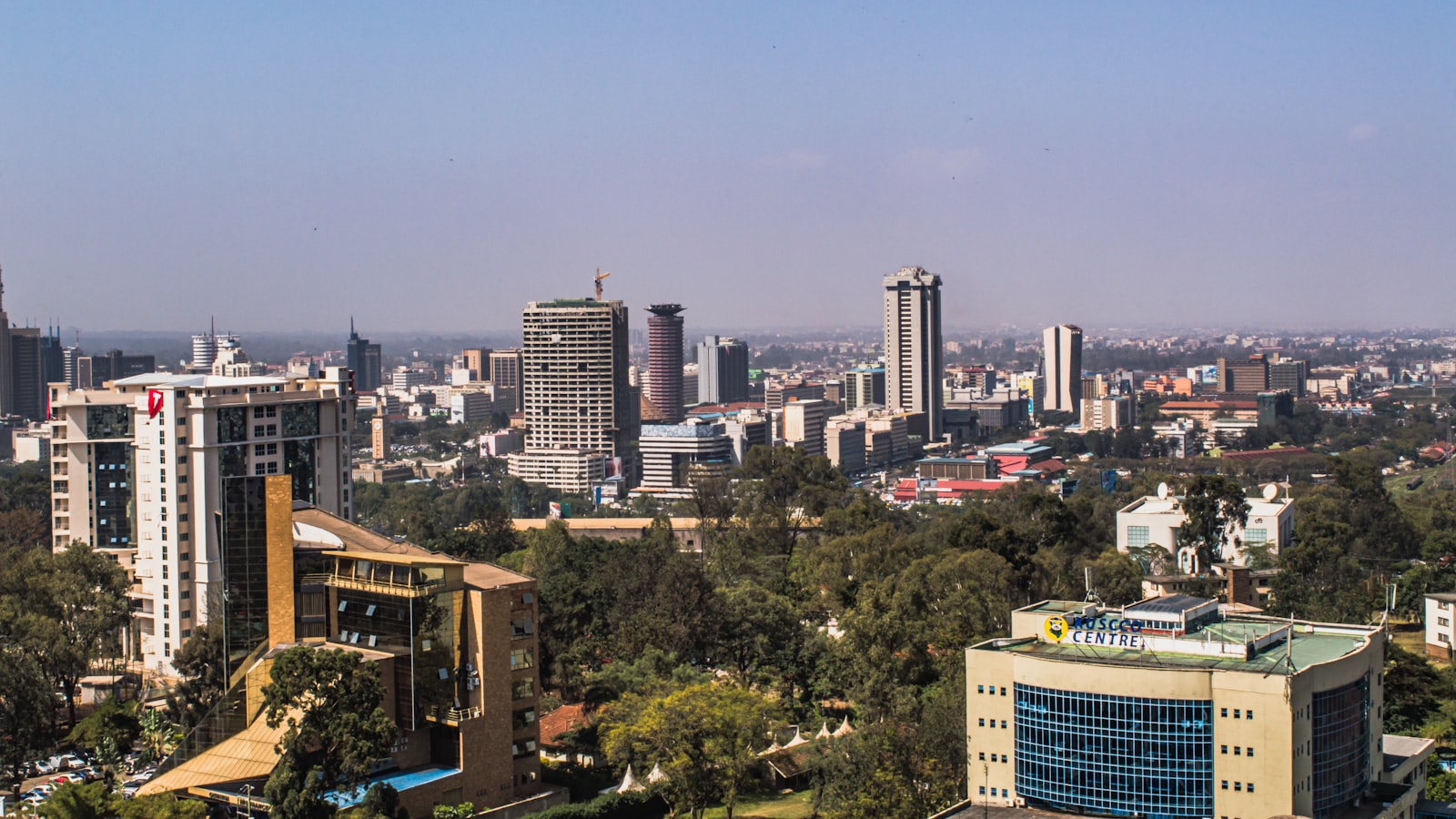
In a third-floor flat in Plano, Texas, a Kenyan nurse coming off a twelve-hour shift does the same small arithmetic she does every payday. She opens a transfer app, glances at the shilling's rate against the dollar, and decides how much to send home — enough to cover her mother's medication in Murang'a, a nephew's school fees, and a little set aside for the plot she is slowly building outside Nairobi. To her, a headline about a loan from the World Bank to the National Treasury can feel remote, the language of ministers and bankers meeting in Washington and Berlin. Yet the figure moving quietly through those rooms this month will, in time, reach the rate on her screen and the worth of every dollar she sends.
That figure is Ksh96.9 billion. After months of delay, the World Bank is now expected to release the long-stalled budget-support loan to Kenya before the financial year closes on June 30, according to reporting by Bloomberg carried by Kenyans.co.ke. For a government leaning hard on borrowing and for the millions abroad whose money props up households back home, the disbursement is less a single event than a thread tied to many others: the strength of the shilling, the cost of credit, and the safety net that catches the relatives diaspora remittances cannot reach alone.
A loan that finally moves
The money comes through what the World Bank calls a Development Policy Operation, a form of financing that does not build a specific road or hospital but flows directly into the National Treasury to support salaries and the day-to-day running of government. It had been frozen for months. The hold-up, the reporting indicates, was Kenya's pace in carrying out a set of agreed governance and fiscal reforms, from public financial management to broader policy commitments tied to the package. The Bank, now satisfied that enough progress has been made, is said to be ready to disburse before the end of June, subject to final procedural sign-off.
The timing matters. The Treasury wants the funds inside the 2026/27 budget that takes effect on July 1. Out of a national budget of roughly Ksh4.8 trillion, the government projects revenue of about Ksh3.631 trillion and plans to borrow some Ksh1.1 trillion to cover the gap. Officials have signalled they will lean heavily on the domestic market this year rather than foreign debt, which makes a concessional injection from the World Bank a useful cushion. The Central Bank of Kenya had said only days earlier that it was in the final stages of securing the emergency financing.
Three conditions, quietly met
What unlocked the money is as revealing as the sum itself. The World Bank had set three regulatory conditions, and each says something about where Kenya's reforms are being pushed.
The first required the government to spell out, in formal regulations, how beneficiaries of its monthly cash stipends — for orphans, the elderly, and people living with disabilities — are identified. The second concerned the rules governing sustainability-linked bonds, a category of debt whose terms are tied to environmental or social targets. The third demanded legal backing for a commitment to raise Kenya's national tree cover to at least 30 percent by 2032 under the Forest Conservation and Management Act.
On paper these are technical. In practice they reach into questions a diaspora audience tends to follow closely: who the state is obligated to support, how Kenya raises money on international markets, and whether the country's promises carry the force of law. The Treasury, led by Cabinet Secretary John Mbadi, reports that all three have now been satisfied.
Why the diaspora should read the fine print
For Kenyans abroad, the most immediate connection runs through the currency. Remittances have grown into one of the country's largest sources of foreign exchange, rivaling traditional earners like tea and tourism, and the value of those inflows depends partly on the stability of the shilling. Budget support from a lender like the World Bank eases the government's scramble for cash and reduces the pressure that heavy domestic borrowing places on interest rates and, indirectly, on the currency. A Treasury that is not forced to borrow at any price is a Treasury that puts less strain on the macroeconomic numbers a diaspora sender watches without always naming them.
There is a second connection through the cost of credit. When the government borrows aggressively at home, it competes with private borrowers, pushing up the rates that banks charge for the mortgages, construction loans, and small-business credit that diaspora families increasingly use to build houses or start ventures back home. Concessional money that lightens the domestic borrowing load is, in this sense, money that quietly touches the plot outside Nairobi and the half-finished house in Kisumu.
The safety net behind the remittance
The first of the Bank's conditions deserves a closer look, because it speaks to something diaspora families live every day. The monthly stipends for orphans, the elderly, and people with disabilities form part of Kenya's social-protection system — a thin but real safety net for the most vulnerable. For many households, remittances and that state support do not compete; they overlap. The daughter in Texas sends money for her mother's medicine; the state stipend, where it reaches, helps with the rest.
By tying its loan to clearer rules on who qualifies for those payments, the World Bank is nudging Kenya toward a more transparent system of identifying beneficiaries. Whether that translates into more reliable support on the ground is a question only the coming months can answer. But for a diaspora that often carries the weight of elderly parents and orphaned relatives from thousands of miles away, the integrity of that register is not an abstraction. It is the difference between a remittance that supplements and one that has to substitute for everything.
A signal as much as a sum
Ksh96.9 billion will not transform a Ksh4.8 trillion budget on its own. Its larger value may be as a signal. The release tells investors — including the diaspora bondholders and would-be investors who track Kenya's standing — that a major multilateral lender judges the country to be moving, however slowly, on the reforms it promised. The nod toward sustainability-linked bonds points to the kind of instruments Kenya hopes to sell in future, some of which may eventually be marketed to citizens abroad looking for a stake in home.
None of this changes the arithmetic the nurse in Plano runs on payday. She will still check the rate, still send what she can, still set a little aside for the plot. But the next time the shilling holds steadier than she feared, or the rate on a home loan eases by a fraction, part of the explanation may trace back to a number that landed on the Treasury's books in the last week of June — and to conditions, written quietly into the deal, that touch the very relatives her money is meant to protect.