The Long Way Home: How a Kenyan Community in Australia Is Fighting to Bring Brian Karanja Back to Nairobi
A 25-year-old mentor died on a New South Wales road. Now the diaspora that loved him is racing to give him a burial in the soil he left as a child.
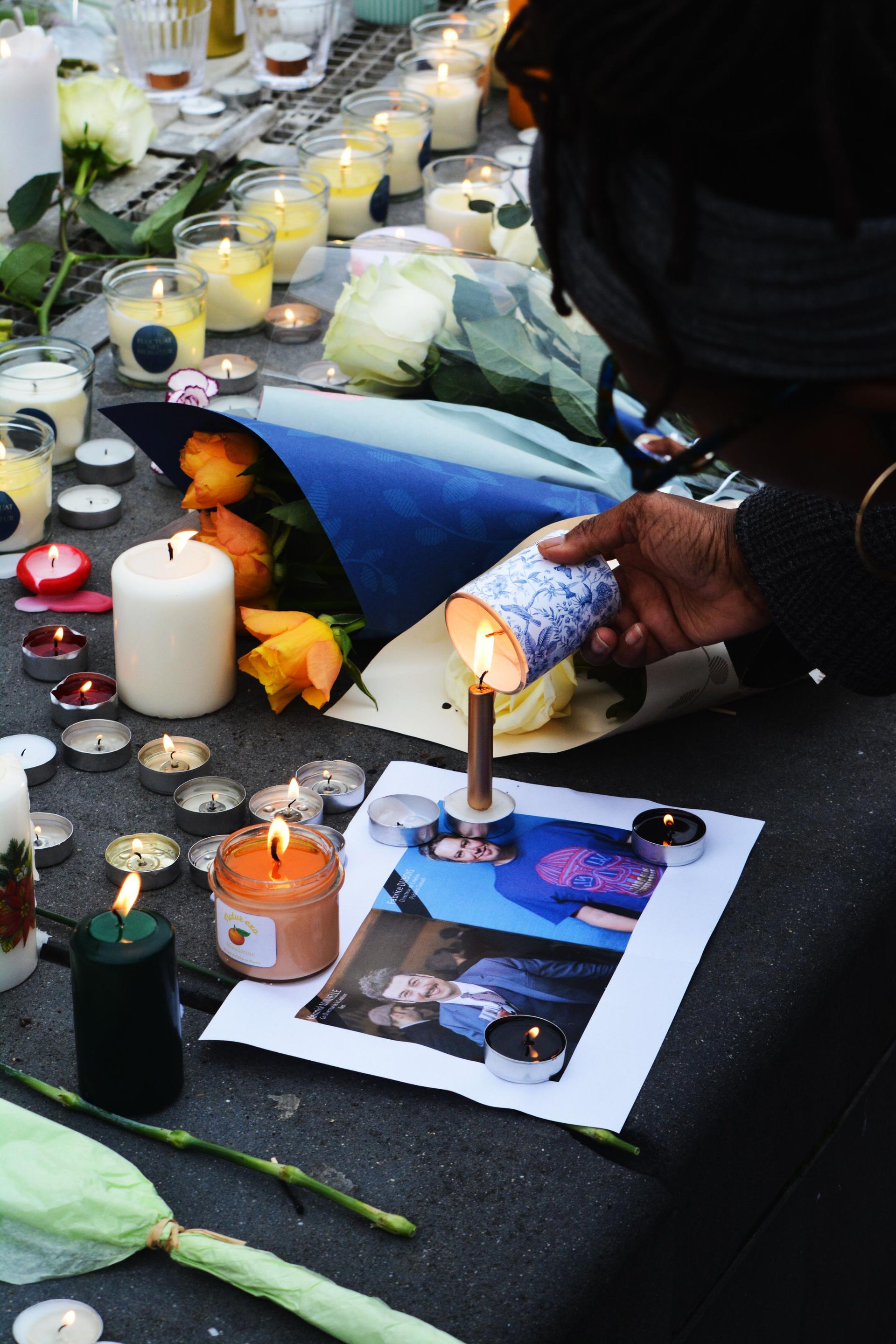
The message went out the way these messages always do now — a forwarded poster, a phone number, a request shared from one WhatsApp group to the next across New South Wales. By the time the sun set over Sydney's western suburbs this week, hundreds of Kenyans scattered across Australia had read the same few lines: Brian Karanja was gone, and his family needed help bringing him home.
He was twenty-five. On 8 June, a road accident ended a life that, by every account shared since, had been spent in the service of other people. For the Kenyan diaspora in Australia, the days that followed have settled into a familiar and painful rhythm — grief, tributes, and the quiet, complicated work of raising enough money to return a body across an ocean.
A Young Man Who Carried Others
Those who knew Karanja describe a person who seemed older than his years in the ways that mattered. He was known across the community for youth mentorship and psychosocial support — the unglamorous work of sitting with young people through their hardest stretches and helping them find a footing again.
According to Diaspora Messenger, which profiled his life, Karanja was born in Nairobi around the turn of the millennium and moved to Australia with his family as a young child in 2007. He grew up between two worlds, graduated from Western Sydney University, and in 2023 founded Adaptive Aid Solutions, an organisation built around supporting vulnerable groups and helping people build resilience in difficult circumstances.
That detail — a man in his early twenties starting an organisation to catch other people when they fell — has become the centre of gravity for the tributes now circulating. Friends and colleagues have described him as generous, hardworking and compassionate, a volunteer who gave his time freely and a steadying presence for younger members of the diaspora still finding their feet far from home.
The Crash That Stopped a Community
The accident itself has been reported plainly, without the lurid detail that sometimes accompanies sudden death. Karanja died following a road accident on 8 June 2026. In the space of a single afternoon, a community that had come to rely on him as a giver found itself organising on his behalf.
What happened next says something about how the Kenyan diaspora in Australia operates. There is no single embassy hotline that absorbs a moment like this, no automatic mechanism that lifts the weight off a grieving family. Instead, the response assembled itself — community leaders, the Hunter African Communities Council, friends from Karanja's university years, and strangers who had never met him but recognised the shape of the emergency.
The Arithmetic of Grief
Behind the tributes lies a hard logistical truth that every diaspora family eventually confronts: bringing a body home is expensive, and it is slow.
Repatriating human remains from Australia to Kenya involves a chain of costs that accumulate quickly — mortuary fees, embalming, a sealed casket that meets international standards, consular and documentation charges, airline cargo fees for the long flight, and ground transport on both ends. Community leaders coordinating the appeal have been candid that the process is both complex and costly, which is precisely why they have turned to the public.
These appeals have become one of the most visible features of diaspora life. A fundraising link or a mobile-money number does more than gather cash; it converts private devastation into a collective task, giving people who feel helpless something concrete to do. For the families on the receiving end, the speed of the response is often the only mercy available in the first raw days.
Why Home Still Means Kenya
It would be easier, and far cheaper, to bury Karanja in the country where he spent most of his life. That his family is determined not to says a great deal about how the diaspora understands belonging.
For many Kenyan families, burial in one's ancestral home carries a spiritual and cultural weight that no distance erases. The body is meant to return to the soil it came from, to be received by relatives who can perform the rites in person, in a place where the grave can be visited for generations. Community members organising the fundraiser have framed their work in exactly these terms — as a matter of dignity, and of honouring a young man through a traditional burial in his homeland.
There is a quiet irony in it. Karanja was, in the language of migration statistics, a success story: raised in Australia, university-educated, an entrepreneur and a community builder. And yet, in death, the pull of Nairobi proved absolute. The diaspora may live abroad, but a striking number of its members still expect, in the end, to go home.
A Pattern the Diaspora Knows Too Well
Karanja's death lands in a year that has been heavy for Kenyans in Australia. In recent weeks the community has mourned other young lives cut short far from home, and has repeatedly mobilised to support grieving families and to press for answers when the circumstances were unclear. Each case arrives differently, but the response has hardened into something almost institutional: the poster, the appeal, the vigil, the long negotiation with airlines and undertakers.
It is a side of migration rarely captured in the official accounts of remittances and gross diaspora earnings. Money does flow home from Australia in large quantities — but some of it travels in this other, sadder current, pooled in small contributions to pay for a flight no family ever wants to book.
For now, the fundraiser continues. Community leaders in New South Wales say they remain hopeful that enough support will be secured to bring Karanja back to Kenya for burial, and a memorial and funeral service is being planned in his honour. The young man who spent his short life helping others through their worst days is now, one more time, the reason a scattered community has gathered — this time to carry him the long way home.


