Candles on North Terrace: A Kenyan Family's Search for the Truth About Sheila Chebii's Death in Sydney
A month after a 26-year-old housekeeper from Eldoret died on shift at a Sydney hotel, the Kenyan diaspora gathered in Adelaide to demand a transparent inquiry.

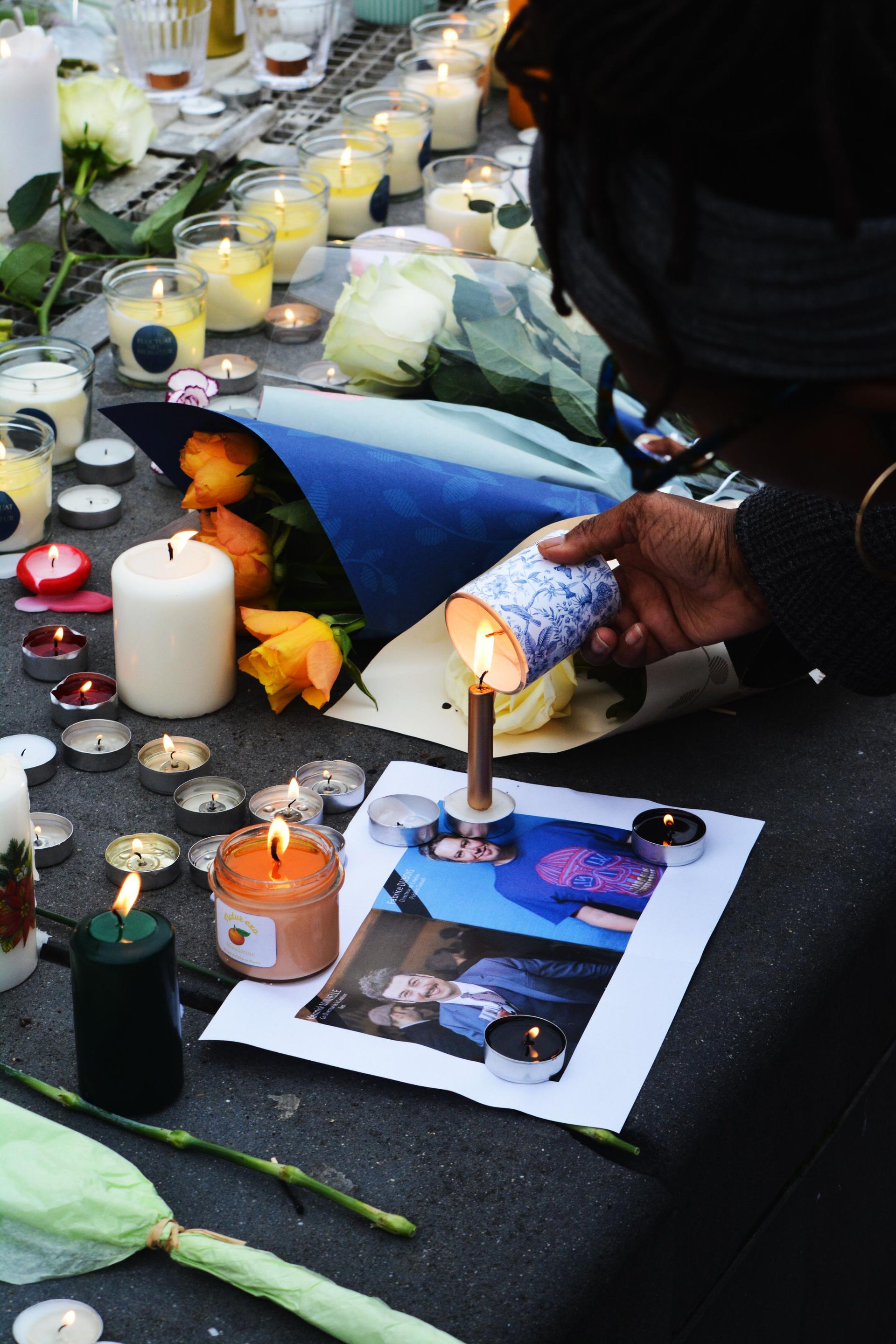
On a winter morning in Adelaide, a small crowd climbed the steps of Parliament House on North Terrace and set down candles. There were no placards demanding revolution, no chants. Organisers were careful to call it what it was: a gathering of remembrance, not a protest. The women at its centre, members of a collective known as the Legetyo Queens, said they had come to stand with a family thousands of kilometres away in Kenya — and to ask, quietly but insistently, for the truth about how a 26-year-old woman died on a hotel shift in Sydney.
The woman they had come to honour was Sheila Jepkorir Chebii. A month earlier, she had been one more ambitious young Kenyan building a life in Australia. Now her name has become a rallying point for a diaspora that has learned, again, how hard it can be to get answers when one of its own dies far from home.
A Gathering on the Steps of Parliament House
The Adelaide vigil unfolded on a Tuesday, organised largely by a group of Women of Colour and led by Lady Emily Kotir OAM. According to Mwakilishi, which has followed the story closely, Kotir framed the event as an act of solidarity with Sheila's family and a call for greater transparency around the circumstances of her death. Speakers returned repeatedly to three words: dignity, truth and justice.
The choice of venue mattered. Holding the vigil on the steps of a state legislature, rather than outside a private building, signalled that the community sees Sheila's death not only as a private tragedy but as a matter of public accountability. Organisers said the gathering reflected a shared commitment to ensuring her family is not left to grieve in silence while questions go unanswered.
It was not the first such gathering. In early June, members of the Kenyan community in Sydney marched along Sussex Street and held a vigil outside the building where Sheila had worked. The Adelaide event extended that mourning across the continent — a reminder that the Kenyan diaspora in Australia, numbering in the thousands and spread across several cities, has treated this case as a collective concern rather than a local one.
Who Sheila Chebii Was
Before she was a headline, Sheila Chebii was a graduate with a plan. She came from Eldoret, the Rift Valley town known for producing many of Kenya's distance-running champions and, increasingly, a steady stream of young professionals seeking opportunities abroad. She had earned an accounting degree from Kabarak University in 2024 and added a CPA(K) qualification, the certification that marks a serious entry into Kenya's accounting profession.
Like many in her generation, she looked outward. She secured a place at an institution in Sydney, joining the well-worn path of Kenyan students who combine study with work in Australia. To support herself, she took a job as a housekeeper at Meriton Suites on Sussex Street, in the heart of the city. It is the kind of work that sustains countless international students — demanding, frequently invisible, and performed in the upper floors of buildings most residents never see.
A Shift That Ended in Questions
The facts that are not in dispute are stark. On Sunday, 17 May 2026, Sheila went to work and did not come home. According to accounts carried by Kenyan outlets including Tuko and The Kenya Times, she was reported to have fallen within the high-rise building where she was on duty.
Beyond that, much remains contested. Her family and community supporters have said the explanation offered to them does not add up. They have pointed to what they describe as an unexpectedly limited pattern of injuries for such a fall, to gaps in the surveillance footage they were shown, and to a timeline they say has shifted. Those concerns, rather than any confirmed finding, are what have driven the public campaign. None of them has been independently established, and the formal investigation is the proper venue for testing them.
Community leaders have also raised process questions: whether the relevant workplace-safety authority, SafeWork NSW, was notified promptly, and whether the family received timely and clear communication from the authorities involved. At the Adelaide vigil, speakers called for a thorough and transparent coronial inquiry — the standard mechanism in New South Wales for examining unexplained or workplace-related deaths.
The Diaspora Closes Ranks
What has been most striking is the speed and breadth of the diaspora's response. Within weeks of Sheila's death, Kenyans in Sydney had organised a march; now Adelaide has followed. Online, the case has circulated widely, with community members insisting that a young woman's death should not be quietly filed away.
This mobilisation reflects a hard lesson. Over the past year, the Kenyan diaspora has repeatedly found itself organising around the deaths of its members abroad — in the Gulf, in Europe, in North America — often because families at home struggle to navigate foreign legal systems, language barriers and the slow machinery of cross-border investigation. The vigils for Sheila are, in part, an attempt to make sure her family does not face that process alone.
When Distance Complicates Grief
For families in Kenya, a death abroad arrives wrapped in practical cruelties. There is the cost of repatriating a body, the difficulty of engaging foreign lawyers and investigators, and the disorientation of trying to understand an unfamiliar legal system from another hemisphere. The Kenyan government has confirmed Sheila's death and signalled a way forward, according to The Kenya Times, but consular support in such cases is often stretched thin.
The diaspora's own institutions — community associations, women's collectives and churches — have stepped into that gap. They raise funds, coordinate with local authorities, and apply the kind of sustained public pressure that a grieving family, far away, cannot easily generate on its own. The Legetyo Queens and the Women of Colour who gathered in Adelaide are part of that informal infrastructure, built over years of mutual aid.
What Comes Next
For now, the answers Sheila's supporters seek rest with the coronial process in New South Wales. A coroner can compel evidence, examine the conduct of agencies and produce findings that a family cannot obtain on its own. The community's demand is not for a predetermined conclusion but for a credible and transparent one.
The candles on North Terrace will burn out, as candles do. Whether the questions surrounding Sheila Chebii's death are answered with the clarity her family is asking for will depend on institutions in Australia and Kenya alike. Until then, the diaspora has signalled that it intends to keep her name, and her unanswered questions, in public view.