The Hotel Shift She Never Came Home From: A Kenyan Family's Long Search for Answers in Australia
A month after Sheila Chebii died on a work shift in Sydney, vigils across Australia and a grieving family in Elgeyo Marakwet are pressing for a transparent inquiry into what happened.

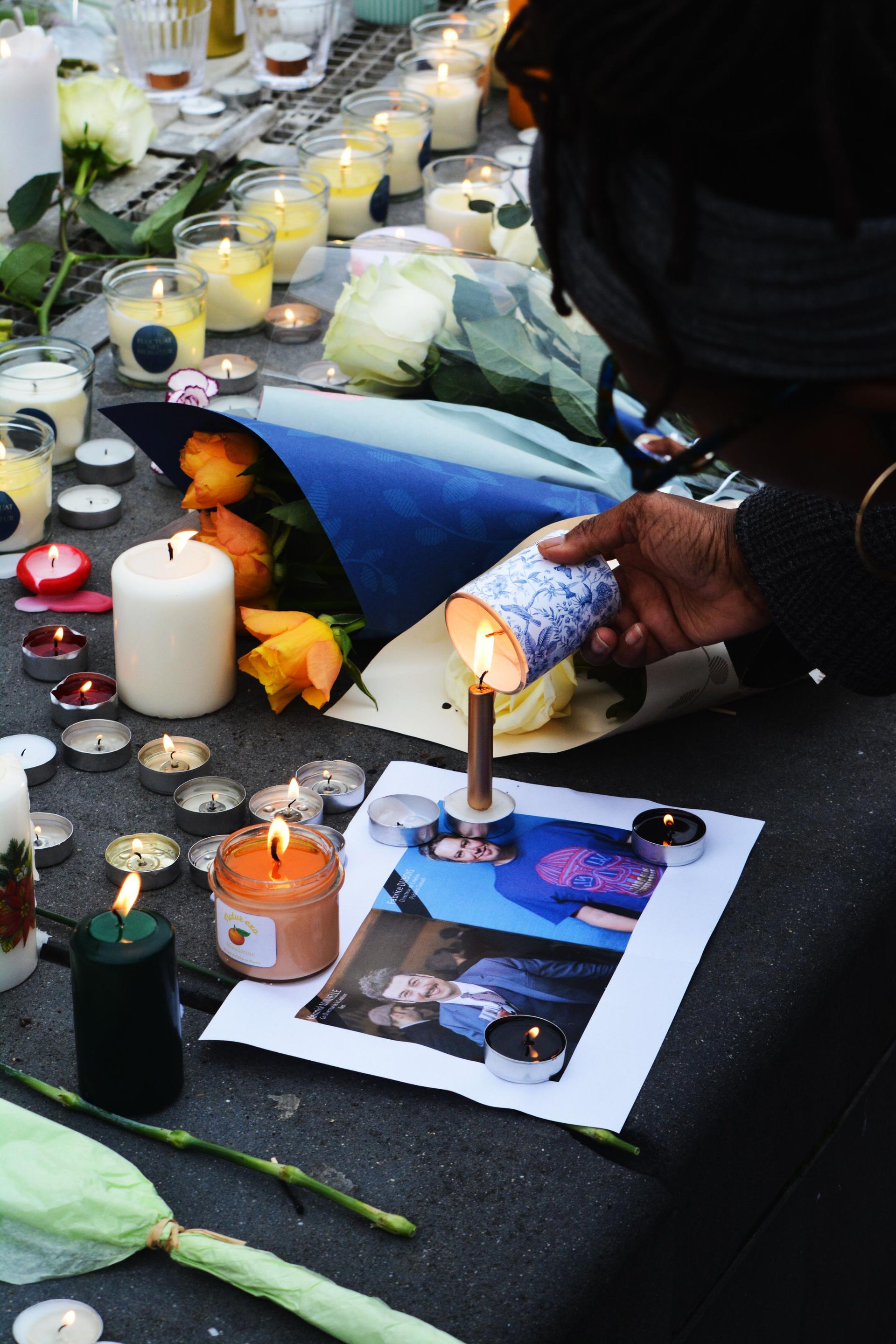
On a cool Tuesday in Adelaide, a small crowd climbed the steps of Parliament House on North Terrace and lit candles against the dusk. They had not come to chant or to march. They had come to say a name out loud — Sheila Jepkorir Chebii — and to ask a question that has followed her family from a hospital in Sydney to a village in Elgeyo Marakwet: what happened to her?
The gathering, led by a group of women who call themselves the Legetyo Queens, was framed by organisers as an act of remembrance rather than protest. Lady Emily Kotir OAM, who led the vigil, told those present that the evening was about standing with Sheila's family and seeking answers. The candles were the point. In the month since Sheila died, answers have been the one thing her loved ones say they cannot get.
A journey that began with hope
Sheila left Nairobi on 4 April, boarding a flight at Jomo Kenyatta International Airport with the kind of optimism that has carried thousands of young Kenyans abroad. She was bound for Sydney to pursue a master's degree in accounting and auditing, the next step in a plan that, for her family in Elgeyo Marakwet, represented years of saving and sacrifice. Like many international students, she took a part-time job to cover the cost of living — a position at a hotel in central Sydney.
It is an ordinary story, and that is part of what makes its ending so hard to absorb. Australia has long been a destination of choice for East African students drawn by its universities and the promise of work alongside study. For families back home, a daughter studying in Sydney is a source of pride and, often, a future lifeline. Sheila's was a path many recognise.
The shift she did not return from
On 17 May, by the family's account, Sheila went to work and did not come home. The notification that followed was not the kind any parent rehearses. Word reached Elgeyo Marakwet that she had died at her workplace. The message was relayed through her brother, Amos Chebii, who works as an engineer in the United Kingdom — a reminder of how widely scattered a single Kenyan family can be, and how grief now travels across continents in a phone call.
From the start, the circumstances were described by relatives as unclear. Sheila's father has spoken publicly of his bewilderment that a healthy young woman could die suddenly at a place of work without a full explanation. He has asked to see CCTV footage from the premises and pressed for investigators to account for her final hours. "We want transparency," he said in remarks to Kenyan media, questioning how such a facility's safety and surveillance systems could leave so much unexplained.
The machinery of an overseas inquiry
What the family has run into is the slow, jurisdiction-bound machinery of a death investigated under another country's laws. The Kenya High Commission in Canberra, in a statement issued on 25 May, confirmed Sheila's death, extended condolences and said it was engaging Australian authorities to obtain factual information. It also urged the public to avoid speculation and the spread of unverified claims while police and coronial processes ran their course.
That guidance, however well intended, sits uneasily with a family that feels starved of facts. Relatives have said an autopsy could only follow the completion of a preliminary police investigation, leaving them waiting on a timeline they do not control. Community advocates in Australia have raised separate concerns about delays in notifying the state workplace-safety regulator, SafeWork NSW, and about how information has been communicated to the family — material they say has tended to raise new questions rather than settle old ones.
In recent days, Australian police have reportedly ruled out suicide, and family members and community representatives have been given an opportunity to meet officers handling the case. Those developments have done little to quiet the central demand: a thorough, transparent coronial investigation that lays out, in full, how Sheila died.
Why a diaspora is paying attention
The response has been notable for its breadth. Before the Adelaide vigil, Kenyans gathered in Sydney to press for answers, and the cause has rippled through Kenyan communities across Australia's cities. For a diaspora often visible only through remittance statistics and graduation photos, the mobilisation around Sheila is a reminder of something less measured — the instinct to close ranks when one of their own is lost far from home.
Part of that energy is grief, and part is recognition. Many in the crowd are themselves students or migrant workers who balance study with shift work, who know the particular vulnerability of being new in a country, dependent on an employer, and far from the family networks that would otherwise ask hard questions on their behalf. Speakers at the Adelaide vigil widened the lens deliberately, framing Sheila's case as a test of how seriously the deaths of migrant workers are treated and how readily institutions account for them.
The weight of the unanswered
For now, the facts that are firmly established remain few: a young woman who arrived in April full of plans, a shift on 17 May from which she never returned, a family demanding to see what cameras recorded, and a diplomatic mission promising engagement through official channels. The rest is the silence the vigils are meant to fill.
That is the quiet power of a candle on a parliament step. It cannot compel a coroner or speed an autopsy. But it insists that Sheila Chebii was a person, not a case number — a daughter, a sister, a student who crossed the world to build a life. Her family in Elgeyo Marakwet, and the community that has rallied around them in Australia, say they will keep asking until someone gives a full account of her final hours. Until then, the most honest thing anyone can offer is the question itself, repeated until it is answered.