The Long Afternoon at Horspath: Oxford Counts Down to the Day Kenyan Britain Comes Home to Itself
On 15 August, a sports ground outside Oxford becomes the centre of Kenyan Britain, with Nadia Mukami headlining, nyama choma on the grills and thousands expected.
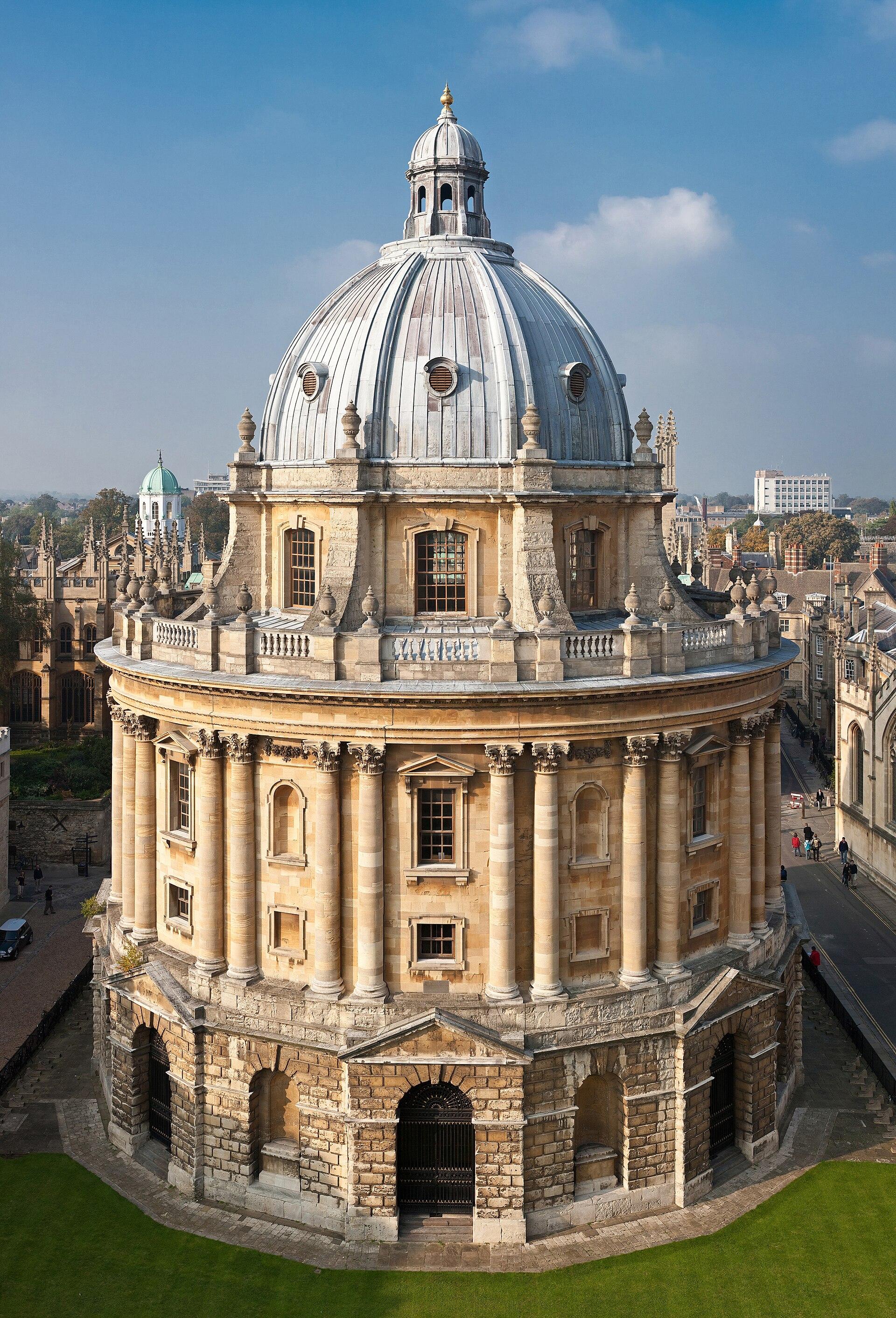
Horspath Sports Ground sits just past Oxford's eastern ring road, an unremarkable stretch of grass and changing rooms that most of the city drives by without a second look. For one Saturday this August, it will become something else entirely: the loudest, best-fed, most crowded corner of Kenyan Britain. The Kenyans in UK Festival returns to Oxford on 15 August 2026, and organisers expect several thousand people to make the journey — from London and Luton, from Manchester and Milton Keynes, from the scattered towns where Kenyan families have quietly built their British lives.
The festival, reported this week by the diaspora outlet Mwakilishi, has grown from a first-edition gathering into what its organisers now describe as a fixed point in the community's calendar: part concert, part market, part family reunion for people whose actual family reunions happen over video calls.
The Festival That Found Its Field
According to the event's official ticketing listing, the day runs from ten in the morning until ten at night at Horspath Sports Ground on Oxford's edge. That twelve-hour arc is deliberate. The programme begins with daytime activities built for families — children running between picnic blankets, grandparents holding court in folding chairs — before shifting, as the light goes, into an evening of higher-energy performances.
Mwakilishi reports that the festival has expanded steadily since its first edition and now functions as a cultural and social meeting point for Kenyans across the UK. That phrase undersells what such days actually do. For a community spread thin across a large country, a single field where everyone gathers once a year becomes a kind of census — a way of seeing, in one place, how big and varied Kenyan Britain has become.
Nadia Mukami and the Sound of Both Homes
The music tells its own story about a community living in two places at once. The headline act is Nadia Mukami, one of Kenya's most recognisable contemporary artists, with Addeh Prince also on the bill. Around them, the organisers have stacked a lineup of UK-based Kenyan DJs — DJ Thew, DJ Mugodee and DJ Febian — whose sets are expected to move through Afrobeat, Amapiano, Gengetone and the other styles that dominate both Nairobi nightlife and diaspora playlists.
That pairing — a star flown in from home, selectors drawn from the community itself — is the festival's quiet thesis. The sound of Kenyan Britain is not an import or an echo; it is a conversation. Gengetone that grew up in Nairobi's estates plays to people who left those estates a decade ago, mixed by DJs who learned their craft in British clubs.
What Thirty Pounds Buys
Entry starts at £30 for early-bird tickets, rising to £40 and £45 in later phases, with group bookings of ten or more available at £25 a head, sold online through matataglobalcreatives.com. In a year when British households — Kenyan ones included — have been squeezed by living costs, and when many in the diaspora are balancing their own bills against the money they send home, a £30 ticket is not a trivial spend.
Yet the group-rate structure hints at how these tickets are actually bought: not one by one, but in blocks of ten and fifteen, by church groups, chamas and WhatsApp circles that organise coaches and carpools weeks in advance. The festival's economics assume what the community already knows about itself — that Kenyans rarely travel to a party alone.
The Queue for Pilau Is Also a Boardroom
The food promises to do heavy emotional lifting. Vendors will serve nyama choma, pilau, samosas and other street foods chosen, as Mwakilishi puts it, to reflect familiar flavours — which is a polite way of saying that for many attendees, the smell of goat on a charcoal grill will be worth the ticket price on its own.
But organisers are equally deliberate about what happens between the plates. The festival is pitched as a networking space for entrepreneurs, professionals, creatives and students, and anyone who has attended a diaspora gathering knows the queue for food doubles as an informal exchange: job leads passed over paper plates, business cards produced from back pockets, a student introduced to a nurse who knows a recruiter. In a community where opportunity often travels by word of mouth, a field of several thousand compatriots is infrastructure.
A Year When Gathering Matters More
The festival lands at the end of a bruising twelve months for Kenyans abroad. Visa rules have tightened across the English-speaking world; British universities face stricter conditions on recruiting international students; and the news cycle that diaspora families follow — deportation camps in the Gulf, evacuation flights from South Africa, fee hikes in Australia — has offered little comfort. Against that backdrop, a day of music in an Oxford field is not an escape from diaspora life so much as a defence of it.
Community organisers across the UK have long argued that visibility is its own form of security: that a community which gathers, celebrates and spends together is harder to overlook. A multigenerational festival — toddlers, students, professionals and elders on the same grass — makes that argument better than any press release could.
Before the First Coach Leaves London
The practical details, then, for those already planning: Saturday 15 August, Horspath Sports Ground, Oxford, from morning until ten at night. Tickets from £30, cheaper in groups, online at matataglobalcreatives.com. Bring layers, because English August is a lottery, and arrive hungry, because the vendors will be ready.
For everyone else — the cousins in Nairobi who will watch it unfold on Instagram, the parents in Eldoret who will get the phone-camera videos on Sunday morning — the festival offers a different kind of reassurance: proof that the people who left have not scattered into strangers. Once a year, on a field outside Oxford, Kenyan Britain assembles itself where everyone can see it, and for twelve loud hours, the distance from home shrinks to nothing at all.