The Ledger That Never Sleeps: How Kenya's Real-Time Taxman Will See the Shops and Rentals the Diaspora Built
From July 1, KRA's new digital systems will watch business transactions as they happen — including the tills, invoices and rental flats that diaspora money built back home.

On Thursday afternoon, June 11, Treasury Cabinet Secretary John Mbadi stood at the dispatch box in Parliament with the traditional budget briefcase and read out a line that sounded, at first hearing, like routine administrative housekeeping. Tucked inside Kenya's 2026/27 Budget Statement was a commitment that the Kenya Revenue Authority will begin monitoring business transactions in real time from July 1, through what he called an integrated digital tax administration and revenue monitoring system.
For a tailor on Moi Avenue or a hardware shop in Eldoret, that line lands close to home. But it lands just as squarely on a constituency that was not in the chamber and could not vote for anyone who was: the millions of Kenyans abroad whose money built, stocked and still sustains a vast archipelago of small businesses and rental houses across the country. From July, the taxman will be able to see much of that economy as it moves.
What the Treasury actually announced
According to Mbadi's statement, reported by Kenyans.co.ke and People Daily, the new push bundles together several systems that KRA has been assembling for years: expanded electronic invoicing under the Electronic Tax Invoice Management System, known as eTIMS; deeper integration with point-of-sale tills; a Domestic Tax Administration System; and an e-Customs mobile application. The goal, the Cabinet Secretary told Parliament, is "real-time visibility of transactions" across the country.
The scale is already substantial. Mbadi said more than 655,000 taxpayers have been onboarded onto eTIMS, which obliges businesses to issue electronic tax invoices that KRA can see as they are generated. He also told MPs that the active taxpayer base grew by 82,000 in a year, passing 6.6 million by March 2026 — growth he attributed to improving voluntary compliance as the digital net widens.
Alongside the monitoring systems, the Treasury promised device registration requirements and stronger information-sharing between agencies, particularly at border points, to squeeze tax evasion and illicit trade. Artificial intelligence and cargo-scanning technology, Mbadi said, are already helping KRA detect leakage.
Why this reaches the diaspora wallet
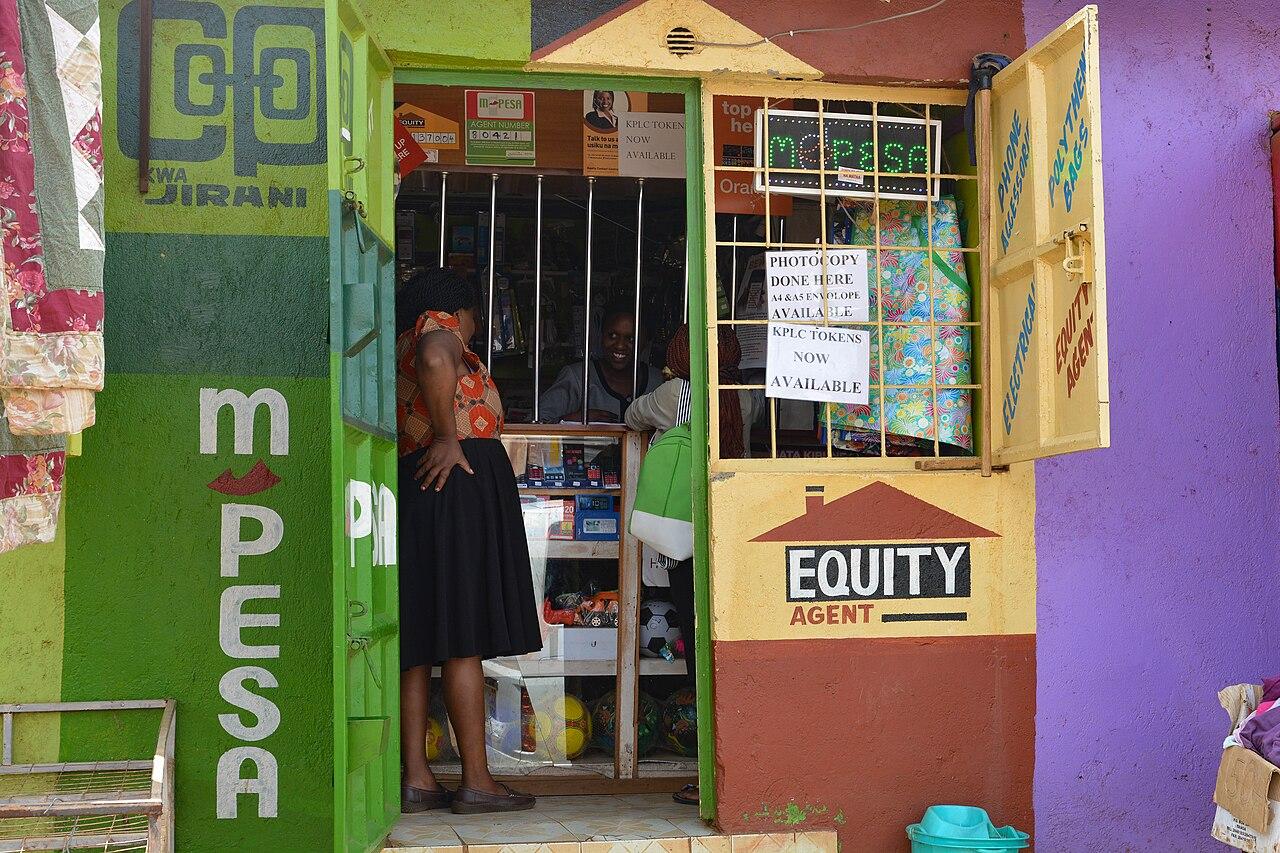
The diaspora connection is structural, not incidental. Remittances are consistently among Kenya's largest sources of foreign exchange, and a meaningful share of that money does not stop at school fees and groceries. It becomes capital: a matatu, a salon run by a sister, a plot with three rental units managed by an uncle, an M-Pesa agency, a small import business bringing goods through Mombasa.
Most of these ventures share two features. They are registered, if at all, in the name of a relative on the ground, and their books have historically lived in notebooks and phone messages rather than in any system KRA could inspect. Real-time electronic invoicing and POS integration changes that quietly but completely. Once the shop's till talks to the tax authority, the question of whether the business "exists" for tax purposes answers itself.
The rental sector is the clearest example. Mbadi told Parliament that KRA's rental income tax system has already simplified compliance for landlords and lifted collections from the property sector. A large fraction of Kenya's new rental stock is diaspora-financed, and absentee landlords have long occupied a grey zone — earning shillings in Nairobi or Nakuru while filing nothing, often without intending to evade anything. A system built to find landlords does not care which continent the landlord lives on.
The customs door the diaspora walks through
The e-Customs mobile application and border-focused information sharing matter for a different diaspora habit: the suitcase trade and the container economy. Kenyans abroad ship cars, electronics, clothing bales and household goods home every week, some as personal effects, much of it as informal commerce. Real-time customs visibility, paired with cargo scanning and AI-assisted risk profiling, is designed to make the line between the two harder to blur.
For honest importers this could be good news. Pre-filled declarations, mobile tracking and digital payment promise fewer brokers, fewer "facilitation" fees and fewer surprises at the port. The Treasury's stated intention is to cut compliance costs, not raise them. But the transition period — when old informal arrangements meet new digital records — is where disputes, penalties and back-assessments tend to surface.
A taxman that answers in chat
There is a gentler face to the same project. Mbadi told Parliament that KRA will expand taxpayer support through digital platforms, including UshuruGPT — an AI assistant for tax questions — alongside omni-channel customer service and grassroots outreach programmes such as Ushuru Mashinani. Pre-filled tax returns are on the roadmap, which would let a taxpayer confirm rather than compute what they owe.
For diaspora Kenyans, who cannot queue at a Huduma Centre, the digitisation cuts both ways. Filing from London or Dallas becomes easier in principle: an iTax login, a pre-filled return, a mobile payment. But it also removes the practical obscurity that distance once provided. A KRA PIN attached to a rental block or a registered business will increasingly carry a live data trail, whether its owner is in Kasarani or Qatar.
What to do before July 1
Tax practitioners have been giving diaspora clients broadly similar advice since eTIMS began scaling, and the budget statement sharpens the deadline. Know what is registered in your name: a KRA PIN, an old business registration or a title deed connected to rental income is now a live data point, not a dormant record. Talk to whoever runs the venture day to day, because the relative managing the shop will be the one issuing — or failing to issue — electronic invoices that appear in the system in real time. And where income has gone undeclared, regularising before the system flags it is almost always cheaper than responding to an assessment after.
None of this means the new architecture will work flawlessly from day one. Kenya's digital tax rollouts have a history of deadline extensions, exemption carve-outs and noisy friction with small traders, and the 2026/27 budget season has already drawn an alternative budget from the opposition contesting the government's revenue arithmetic. But the direction is unambiguous, and Mbadi's numbers suggest the net is already tightening ahead of the switch-on.
The diaspora has spent two decades wiring money into an economy it could only see through phone calls and photographs. From July 1, the state will see that economy more clearly than its funders ever have. The wise response is not alarm; it is to look at your own ledger before the ledger that never sleeps looks at it for you.