The Names They Wrote Down: Why Fifty Kenyans in South Africa Are Asking to Come Home
As a June 30 ultimatum hangs over foreign nationals, a community group has handed Kenya's High Commission in Pretoria a list of citizens who simply want out.

In the townships that ring Johannesburg, the first sign of trouble is usually a shutter coming down in the middle of a trading day. Community leaders say that is what has been happening to Kenyan-run shops in recent weeks: small businesses locked early, stock left where it sat, owners staying indoors because the street outside no longer feels safe. Some have stopped going to work altogether. A few have left their homes.
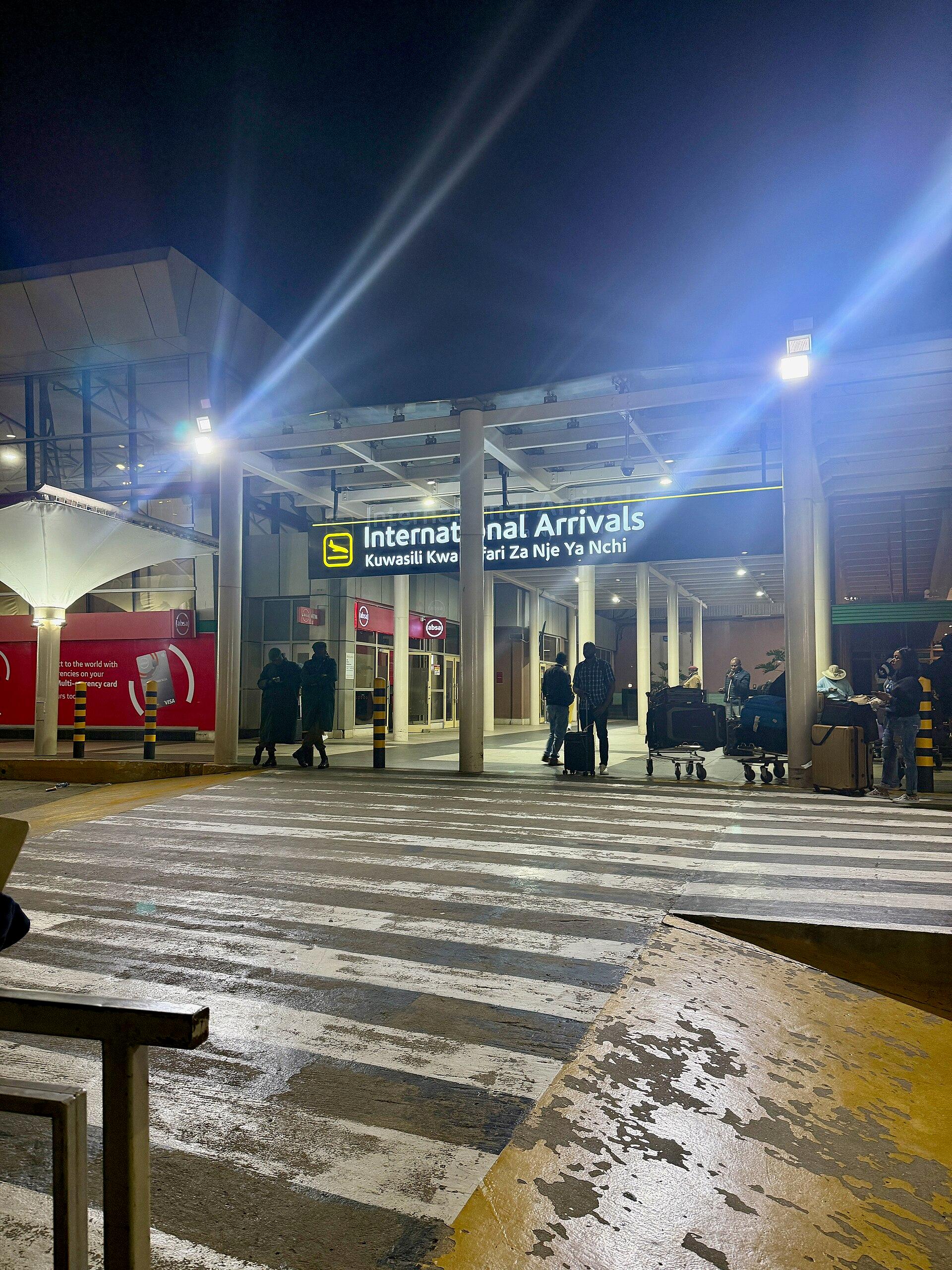
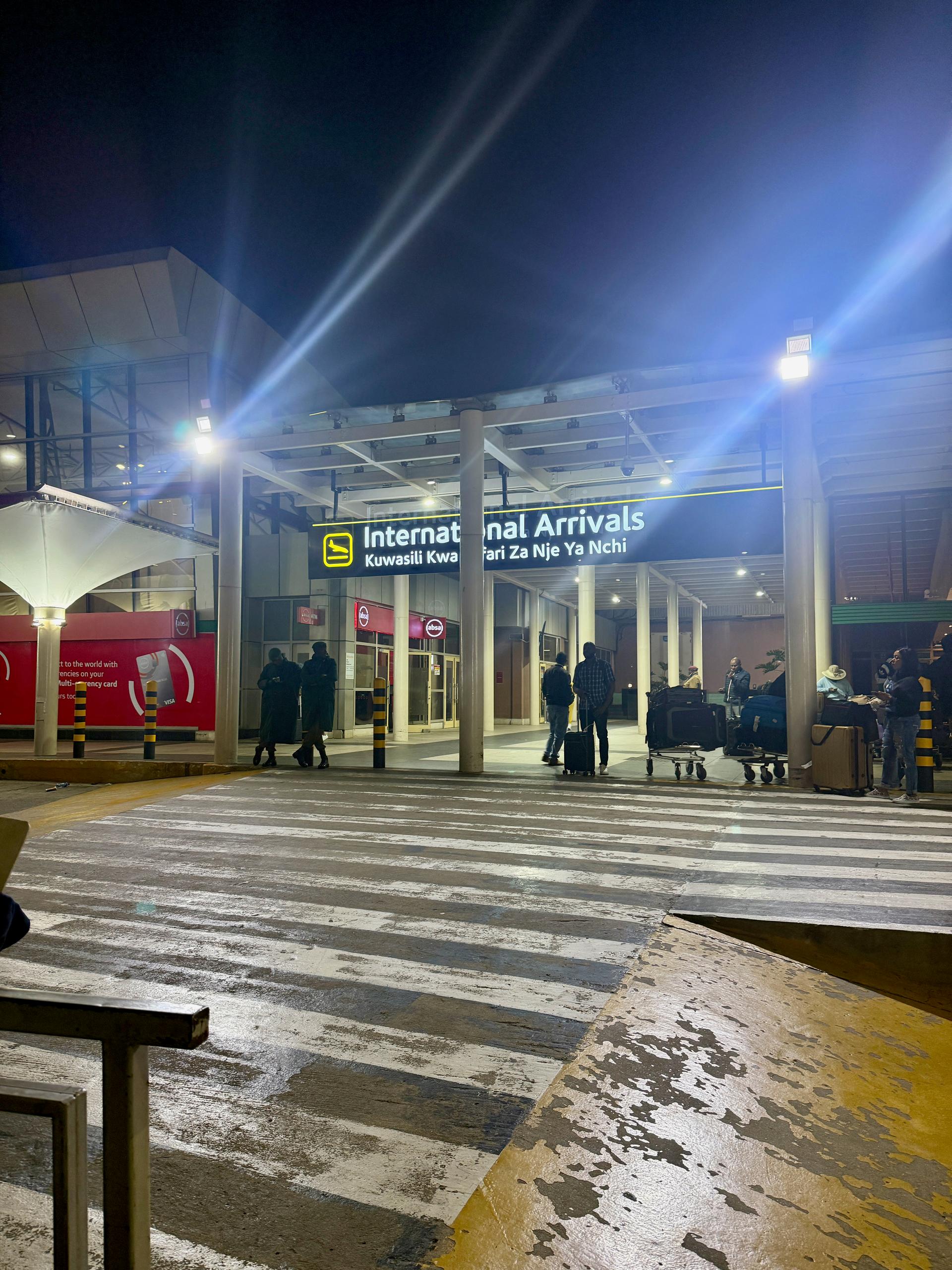
Out of that fear has come a document. A community organisation representing Kenyans in South Africa has compiled a list of names — at least 50 of them — and delivered it to Kenya's High Commission in Pretoria. The people on the list are not asking for compensation or an inquiry. They are asking, plainly, to be helped to come home.
A Memorandum, and a List of Names
The appeal was organised by the Kenyans Diaspora in South Africa, the community group that has become the main channel between scattered Kenyan residents and the Kenyan mission. According to reporting by the Daily Nation and the diaspora outlet Mwakilishi, the group presented a memorandum to the High Commission carrying the names of citizens who want assistance to leave the country.
Their requests are specific. They want the government to set up an emergency support framework for vulnerable Kenyans seeking voluntary repatriation. They want emergency travel documents issued quickly for those whose papers are lost, expired or unreachable. And they want practical help getting onto flights home, since many cannot independently fund the journey.
KEDASA's secretary-general, William Thegeya, told the Daily Nation that the distress calls have come from Kenyans spread across the country, from the Western Cape to KwaZulu-Natal to Gauteng. "Particularly concerning are reports from some individuals residing in informal settlements and township communities who express fear for their personal safety and uncertainty regarding their future," he said. The group says the 50 names are only what it has logged so far, and expects the number to climb as the end-of-month deadline nears.
As of the latest reports, the High Commission had received the memorandum and indicated it would assist those who register, though it had not publicly set out the logistics. For now, the people on the list are waiting — and watching the calendar.
Why the Fear Has Sharpened
South Africa has lived through waves of anti-immigrant violence for the better part of two decades, but community leaders describe the current mood as unusually tense. Mobs in some areas have reportedly warned that foreign nationals should leave the country by 30 June, a deadline that has turned a diffuse anxiety into something with a date attached.
The pressure is not only physical. Representatives say Kenyans have been losing their livelihoods as much as their sense of safety. Shop owners who depend on daily trade cannot open. Workers who depend on moving freely between home and a job site cannot move. For families living month to month, a week of closed shutters is the difference between paying rent and not.
In that vacuum, the diaspora has fallen back on itself. Informal WhatsApp groups and church networks have become the main source of reliable information — where the trouble is, which routes to avoid, who has space on a floor for a night. It is the same quiet machinery that diaspora communities everywhere assemble in a crisis, and it is doing the work that official channels have not yet caught up to. Officials estimate that roughly 27,000 Kenyans live, work or study in South Africa, a community now scattered across provinces that include the Eastern Cape, Western Cape, KwaZulu-Natal, Gauteng, Mpumalanga and the Northern Cape. The Kenyan High Commission had already, in a communiqué dated 4 May, urged its nationals to remain vigilant, avoid areas where demonstrations might occur, and carry valid identification at all times.
A Pattern Older Than This Week
What is happening to Kenyans is part of a far larger and older story. South Africa's periodic outbreaks of xenophobic violence have historically concentrated in townships and informal settlements, where foreign nationals run the spaza shops and small trades that anchor local economies. Past episodes have brought deaths, mass displacement and the looting and burning of foreign-owned property.
The list of those affected this time reaches well beyond Kenya. Migrants from Mozambique, Nigeria, Malawi, Zimbabwe and Somalia have all been caught up in the hostility, a reminder that this is a regional wound rather than a quarrel with any one nationality. The grievance that drives it is depressingly familiar: in a country wrestling with high unemployment and deep inequality, foreigners are blamed for scarce jobs and strained public services.
Analysts who study migration in southern Africa make a point that rarely survives the heat of a riot — that these same migrants are woven into sectors like retail, domestic work and informal trade that local economies quietly rely on. That contribution offers little protection. When economic strain spikes, the people most visible at street level, and least able to call on the state, are the ones who pay first.
What Other Capitals Have Already Done
Kenya is not the first African government to face this decision. As the unrest has spread, Nigeria and Ghana have already moved to repatriate some of their nationals, setting a precedent that Kenyan community leaders are now pointing to. The comparison is doing quiet political work: if Abuja and Accra can organise flights and emergency documents for their citizens, the argument goes, Nairobi can too.
That places the Kenyan mission in a familiar bind. Embassies are designed to issue passports, witness documents and field routine consular questions, not to run evacuations at short notice. Standing up an emergency repatriation framework means money, logistics and a political decision about how far a government's duty to its citizens extends past its own borders. None of that happens by reflex.
For the people on the list, those institutional questions are abstract next to a concrete one: whether anyone will call their name before the end of the month.
The Question Nairobi Must Answer
The appeal from South Africa lands at a moment when Kenya is already talking, often proudly, about its diaspora. Remittances from Kenyans abroad have become one of the country's most dependable sources of foreign exchange, and officials rarely miss a chance to celebrate the billions those workers send home each year. The Pretoria memorandum is the other side of that ledger. It asks what the country owes the people behind the money when the money stops being the point and safety is.
There is no suggestion yet that every name on the list will end up on a plane. Diplomatic appeals move slowly, voluntary repatriation is complex, and South Africa remains home to many Kenyans who have built stable lives far from the worst of the violence. But the request itself is the story. Fifty households have decided that whatever they were building in South Africa is no longer worth the risk of staying, and they have put that decision in writing.
What happens next will say something about how Kenya treats its own when the news cycle moves on. Community leaders and observers warn that without long-term measures to address the underlying causes, the violence will return, as it has before. Until then, the names sit in a file in Pretoria, waiting for an answer from home.