The Deck That Pays in Kroner: How a Norway Labour Deal Could Send 1,000 Kenyans to Sea
President Ruto's Oslo agreement promises 1,000 maritime jobs by 2030 — and a test of whether Kenya can finally turn its coastline into a career.
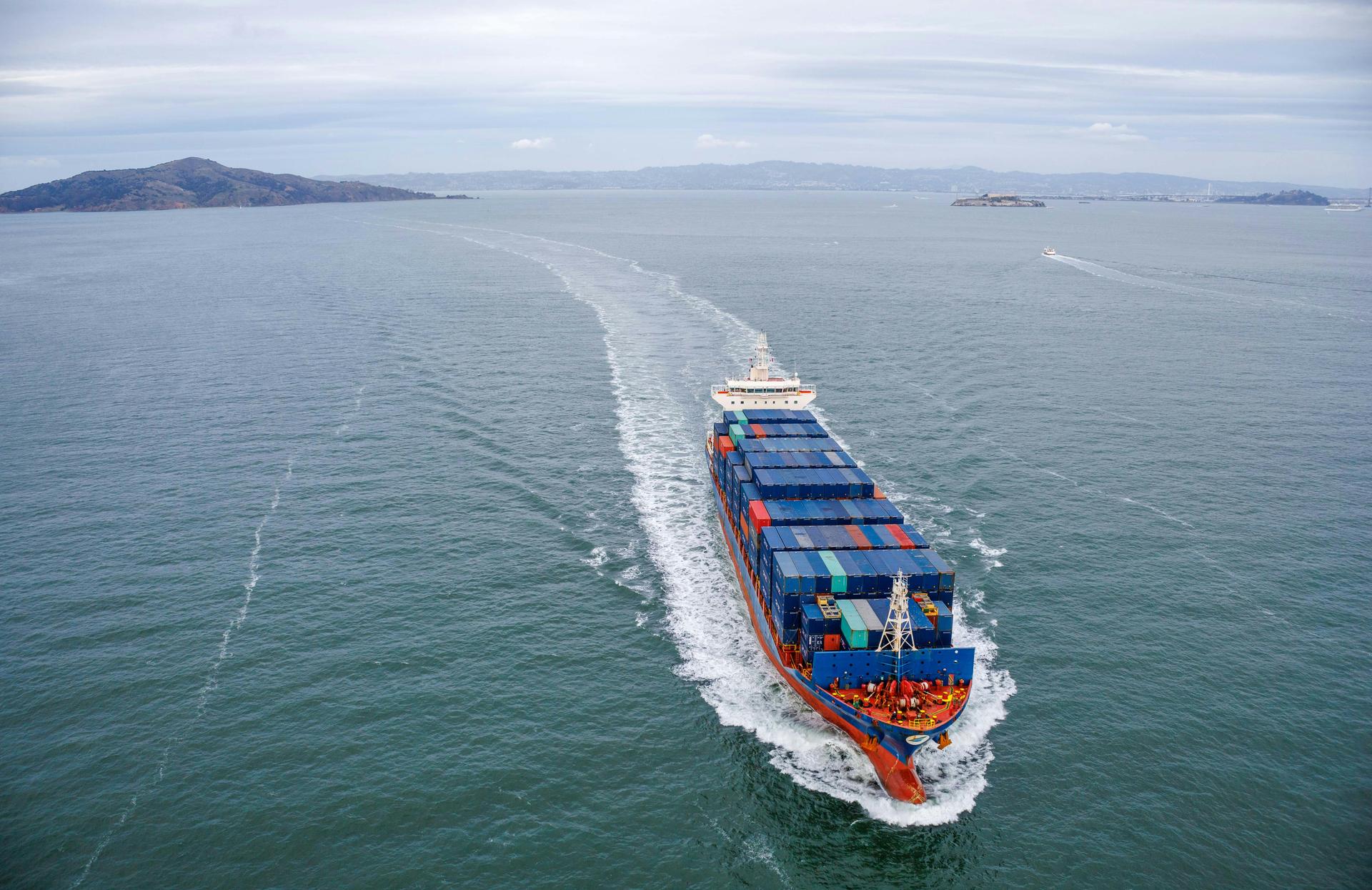
In a classroom at the Bandari Maritime Academy in Mombasa, the ocean is always in the room. You can hear it past the gate, and you can see it in the brochures pinned to the corridor walls — bulk carriers, oil tankers, the great steel cliffs of container ships — that promise a salary most graduates of any other college in Kenya cannot imagine. For years, the gap between that promise and a real contract was where ambition went quiet. Cadets trained, certified, and then waited, because the ships that pay in foreign currency rarely had a reason to call a Kenyan name.
This week that arithmetic changed, at least on paper. Speaking after meetings with Norwegian shipowners in Oslo, President William Ruto announced a labour agreement intended to place at least 1,000 Kenyan seafarers aboard Norway's merchant fleet by 2030, with the first 120 expected to be hired before the end of this year. For the cadets in Mombasa, and for the much larger diaspora ambition the deal represents, the question is no longer whether the doors exist. It is whether Kenya can walk through them.
The Deal Signed in Oslo
The agreement, reached during Ruto's European tour, ties Kenya's maritime workforce to one of the best-paid shipping markets in the world. Norwegian-managed vessels are crewed internationally, and the country's shipowners have long recruited from established seafaring nations such as the Philippines and India. Bringing Kenya into that pipeline is, in effect, an attempt to graft a new supply line onto a mature global industry.
According to a State House brief reported by The Star and other Kenyan outlets, the arrangement was confirmed in a meeting between Ruto and the Norwegian Shipowners' Association, with jobs to be offered by Wilhelmsen Ship Management, one of the world's leading ship management firms. The first tranche of 120 jobs is meant to materialise within months; the remaining places are to be filled progressively over roughly four years. Ruto framed the agreement as proof of growing confidence in Kenyan maritime training and as part of a wider government strategy to widen access to skilled work abroad.
Why the Blue Economy Keeps Coming Up
The phrase that runs through every official description of the deal is "blue economy" — the catch-all term for the jobs, trade and food that a country can draw from its waters. Kenya has roughly 640 kilometres of Indian Ocean coastline and an exclusive economic zone that dwarfs much of its land footprint, yet for most of its history the sea has been a holiday backdrop and a port, not a payroll.
Successive governments have promised to change that. Maritime training was consolidated and expanded, regulators pushed to align local certification with international standards, and politicians learned to talk about tonnage and trade lanes. The Norway agreement is the clearest sign yet that the rhetoric is being asked to produce contracts. If even a few hundred Kenyans are earning a seafarer's wage on Norwegian-managed ships within a year, it will be the most concrete return the blue-economy agenda has shown.
The Pipeline, and Its Bottleneck
The mechanics matter more than the headline number. International seafaring runs on a single rulebook — the Standards of Training, Certification and Watchkeeping convention, known as STCW — and a Kenyan cadet cannot simply walk up a gangway. Certificates must be recognised, sea-time logged, medicals passed, and English-language and safety competencies proven to the satisfaction of the flag state and the ship manager.
That is where the 120-by-year-end figure becomes a stress test rather than a guarantee. Recruiting, vetting and placing even a small first cohort requires that Kenya's training output line up exactly with what Wilhelmsen and its peers will accept. A pledge of 1,000 jobs is only as good as the certification pipeline feeding it; if graduates arrive without the right tickets, the places will quietly be filled from countries that have spent decades perfecting the paperwork. The difference between a press release and a career is administrative, and it is unglamorous.
More Than Crew: Ports, Trade and Connectivity
The Oslo talks reached past employment into the harder infrastructure of trade. Kenyan and Norwegian officials discussed green shipping, ocean sustainability and technology transfer, and explored new routes intended to tie East African ports more tightly to northern Europe. There were also discussions about strengthening Kenya's ports, with Mombasa and Lamu positioned as gateways for regional and international cargo, and about building up the country's shipbuilding capacity over time.
The seafarer deal also sat alongside a broader European push. In Brussels, Ruto secured 102 million euros under an EU–Kenya Digital Partnership and additional funding tied to regional connectivity, part of a tour framed around trade, technology and labour mobility. For the diaspora, the maritime corridor is the part that could outlast any single cohort of recruits: a credible East Africa–Europe shipping link, with Kenyan crews and Kenyan-serviced vessels, would be a structural gain rather than an individual one.
The Caution Beneath the Optimism
There is reason to temper the celebration. Kenya's record on overseas labour deals is uneven, and the same coastline that produces seafarers has also produced cautionary tales of workers sent abroad on thin contracts and weak protection, particularly in Gulf domestic work. Maritime labour is more regulated than that, but it is not risk-free: crews can face long isolation, disputed wages, and the difficulty of enforcing rights from the middle of an ocean. A government that wants the credit for 1,000 jobs will also own the responsibility for how those jobs are policed.
The honest reading of the Oslo announcement is that it is a genuine opening, not a finished achievement. The numbers are specific, the partner firm is serious, and the timeline is short enough to be tested rather than forgotten. Within months, Kenyans will know whether the first 120 names made it onto a crew list — and whether the cadets watching the brochures in Mombasa were right to keep waiting. For once, the promise comes with a date attached.