The Citizenship That Could Be Taken Back: How Trump's Denaturalization Push Reaches Kenyans and Africans Living in America
A historic Justice Department effort to strip citizenship from naturalized Americans is rippling through African diaspora households, where Kenyans are now asking a question they never thought they would.

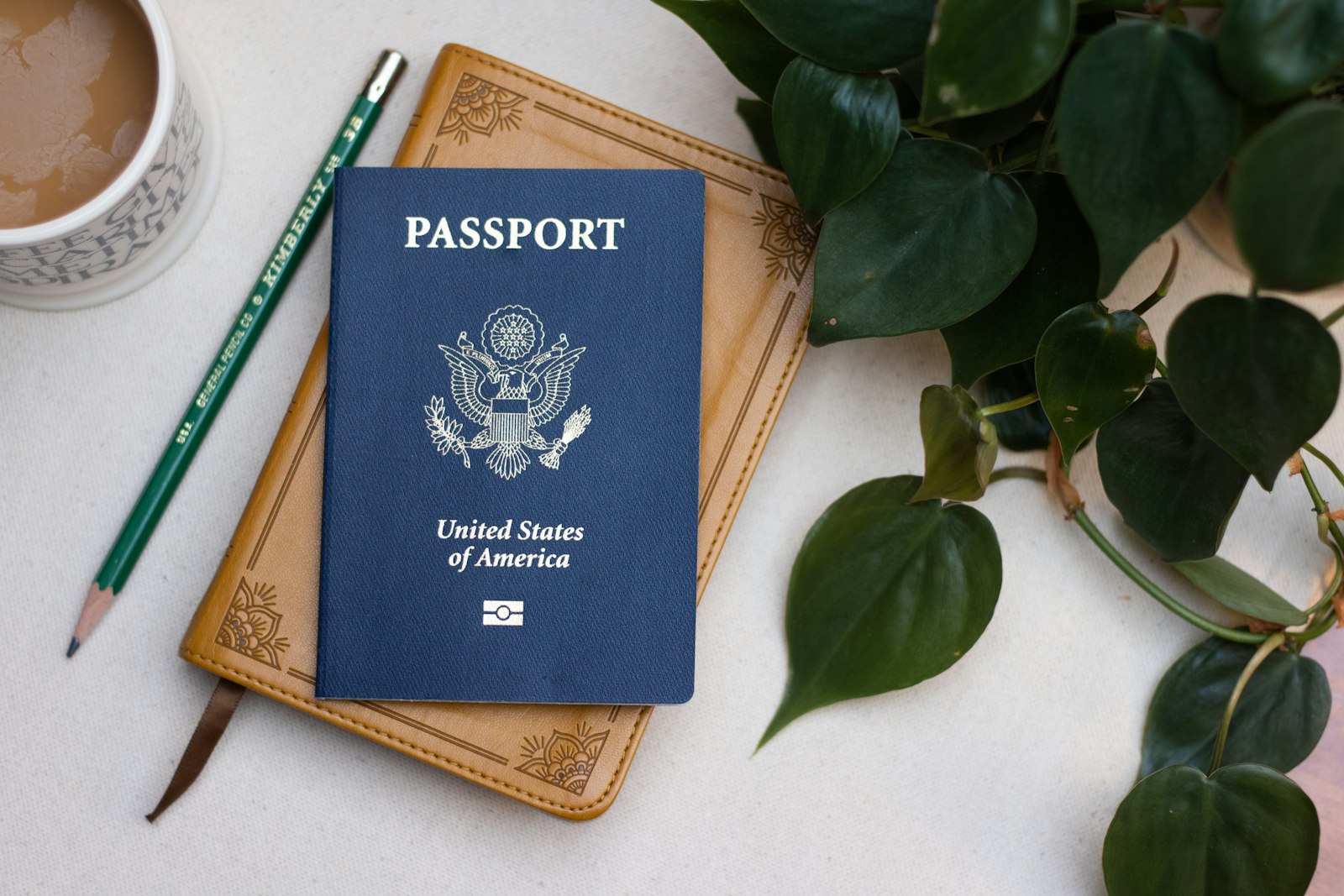
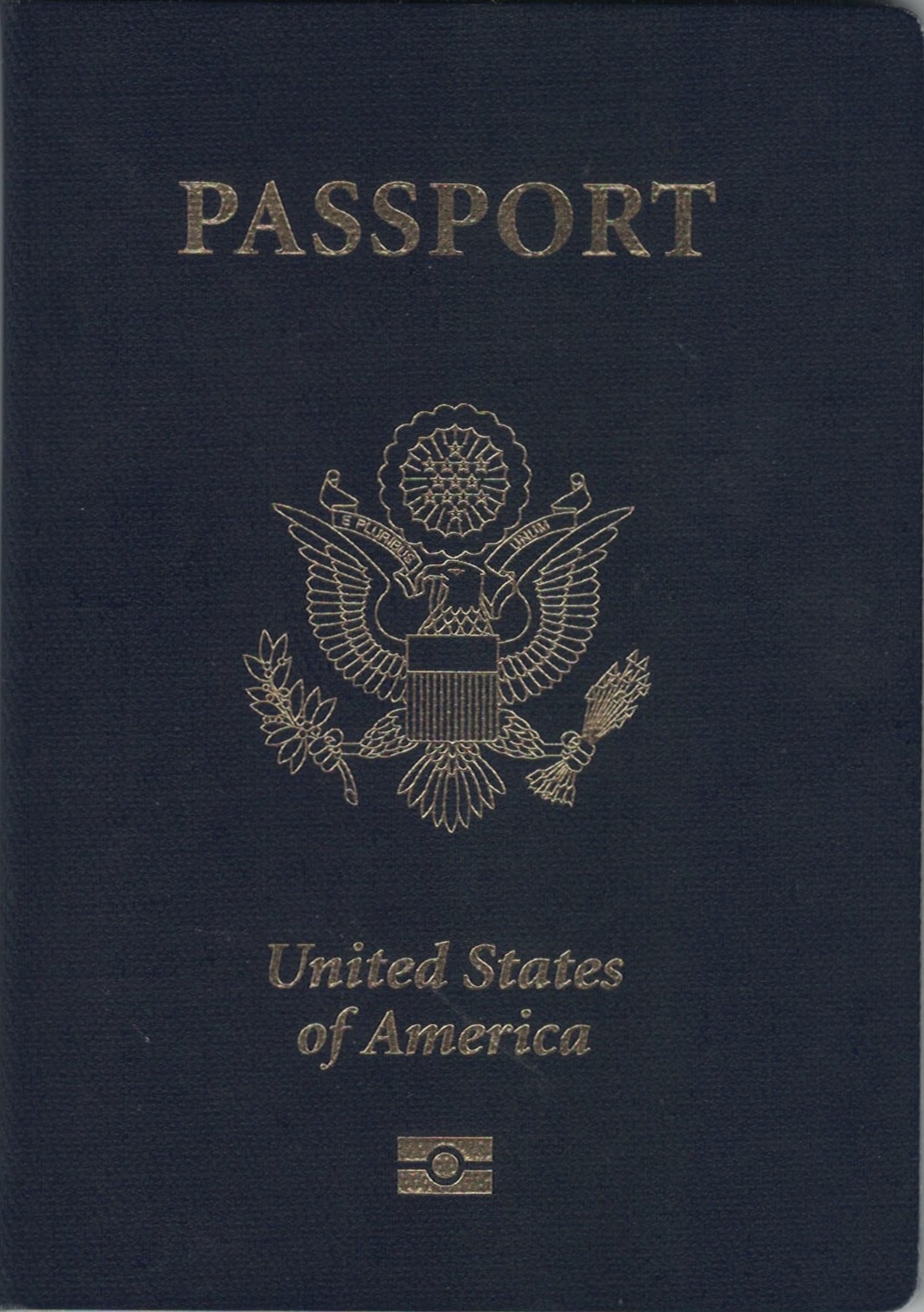
In a quiet kitchen in a Maryland suburb this weekend, a Kenyan woman who has been a United States citizen for almost eleven years pulled out an old manila folder. Inside were the documents she has not opened since the day she took her oath — her naturalisation certificate, her ceremony programme, her first US passport. She showed them to her teenage son and said, in Swahili, that she was looking for any tiny error she might have made on the original application. He asked her why. She said it was because, suddenly, those papers felt less permanent than they did a week ago.
Across diaspora living rooms from Baltimore to Dallas to Boston, that conversation is becoming familiar. The trigger is a series of disclosures from the United States Department of Justice that have, for the first time in modern memory, made the word denaturalisation a household term among naturalised Americans. The Trump administration is pursuing the largest citizenship-revocation drive in US history, and although the headline numbers focus on a few specific countries, the policy architecture sweeps over every foreign-born American, including the tens of thousands of Kenyans who have made the United States their permanent home.
What the Justice Department is actually doing
According to reporting first carried by NBC News and re-published widely across diaspora outlets, the DOJ has set field offices a target of between one hundred and two hundred denaturalisation referrals every month. A senior DOJ official told reporters the number of individuals being examined is in the hundreds — what the department characterised as the highest volume of denaturalisation referrals on record. The work is coordinated between the Justice Department, which prosecutes the civil cases, and US Citizenship and Immigration Services within the Department of Homeland Security, which has reassigned staff specifically to comb through old naturalisation files for suspected fraud.
Acting Attorney General Todd Blanche has framed the campaign as an anti-fraud measure. A DOJ spokesperson told reporters the department is, in their words, focused on rooting out those who lied to obtain American citizenship. Earlier this month the administration unsealed an initial tranche of twelve high-profile cases targeting naturalised citizens from Bolivia, Colombia, Nigeria, Somalia, Morocco, Uzbekistan, Iran, India and China. Some involve convictions inside the United States; others allege offences committed before naturalisation; still others rest on accusations of fraud during the application itself.
That first batch made one thing clear to African diaspora communities: although Kenyan names did not appear in the unsealed dossier, two African countries did. For Kenyan-Americans who came in through marriage petitions, asylum, the diversity visa or family sponsorship, the message landed quickly. The policy is not aimed at any one nation. It is a population-wide audit, and any historical paperwork, even paperwork from decades ago, is potentially in scope.
Why the Kenyan diaspora is paying close attention
Kenyans in the United States are one of the larger African-origin naturalised populations on the East Coast, concentrated in Maryland, Massachusetts, Texas, Minnesota and Georgia. Many obtained citizenship through routes that immigration lawyers describe as legally clean but emotionally complicated — a marriage that lasted, a marriage that did not, an asylum claim resolved decades ago, a name spelt slightly differently across two Kenyan birth certificates. None of that is fraud. But the new DOJ posture, lawyers warn, treats any inconsistency between old and new records as something a federal prosecutor may eventually ask a judge to reopen.
That is why this week the Kenyan-American immigration bar has been fielding a surge of calls. Attorneys in Baltimore, Atlanta and Boston who spoke to community radio stations described clients arriving at their offices with shoeboxes of old documents and one question: am I safe. The honest answer, several lawyers said, is that nearly all naturalised Kenyans are safe in the legal sense — denaturalisation in civil court still requires the government to prove material fraud or unlawful procurement, and the burden of proof remains on the state. The new anxiety is not that the law has changed. It is that the volume of files now being reviewed has changed, and any review can take years to resolve.
A rare procedure becoming routine
Denaturalisation, in US legal practice, has historically been used sparingly. For much of the post-war period it was reserved for two narrow categories: former Nazi camp guards who lied about their war records, and, less often, naturalised citizens convicted of treasonous or terrorist conduct. The Justice Department's own internal guidance for decades described the procedure as one of the most consequential tools available to federal prosecutors, precisely because it strips a person of rights they have already exercised — voting, jury service, federal employment, holding a US passport, sponsoring relatives.
The current programme departs from that history not because it has rewritten the underlying statute but because it has industrialised the workflow. USCIS has been instructed to mine old files at scale, looking for omissions on long-ago N-400 applications, undisclosed prior names, undisclosed prior employment, or any failure to disclose a contact with a foreign government. Cases that would once have been closed at the agency level are now being referred up to DOJ for civil litigation. That is what is producing the unprecedented volume.
What the critics are saying
Civil-liberties lawyers and several former immigration judges have warned that setting a monthly quota for denaturalisation referrals risks distorting the underlying legal test. The danger, they argue, is that prosecutors begin to bring cases to meet a target rather than because the evidence of fraud is clearly material. Naturalised citizens, they note, number around twenty-six million in the United States — a population larger than that of any single Western European country — and the policy creates a chilling perception that their citizenship is provisional in ways that natural-born citizenship is not.
Members of Congress from districts with large foreign-born populations have asked the DOJ to publish its internal guidelines for case selection. Several civil-rights groups have indicated they will seek expedited records requests to determine how the lists of targeted individuals are being generated, and whether the criteria disproportionately implicate immigrants from African or Muslim-majority countries. The administration has so far declined to release that material, citing investigative confidentiality.
What Kenyans are being told to do
Kenyan diaspora associations on the East Coast spent the weekend publishing the same calm advice: do not panic, do not destroy any documents, and locate your original naturalisation paperwork. The Kenyan embassy in Washington has not issued a public advisory specific to denaturalisation, but consular officials privately confirmed they expect a higher volume of questions about dual-citizenship status — including for the children of naturalised Kenyan-Americans, whose own citizenship is generally derived from the parent's.
Several Kenyan-American legal-aid networks have begun running free document-review clinics, the first of which is scheduled for early June in Lowell, Massachusetts and Bowie, Maryland. Their guidance is straightforward. If your file is clean, your citizenship is not in jeopardy, and the federal government still bears the burden of proof in any case it brings. If your file is not clean — if there is a contradiction you have always known about — speak to a lawyer before the lawyer's letter arrives in the mail.
For the woman in that Maryland kitchen, the conversation with her son ended with her closing the manila folder and saying, in English this time, that she was American and her papers were in order. But she did not put the folder back in the drawer. She put it on top of the desk. Across the diaspora, many naturalised Kenyans are doing the same thing this week, treating documents they had stopped thinking about as items that now belong, quietly, within reach.