The Certificate They Were Told to Send Back: Canada's Citizenship Review Unsettles a Diaspora's Plans
Ottawa has suspended a wave of citizenship-by-descent certificates issued under Bill C-3, asking recipients to return them while officials re-examine the family records behind each claim.
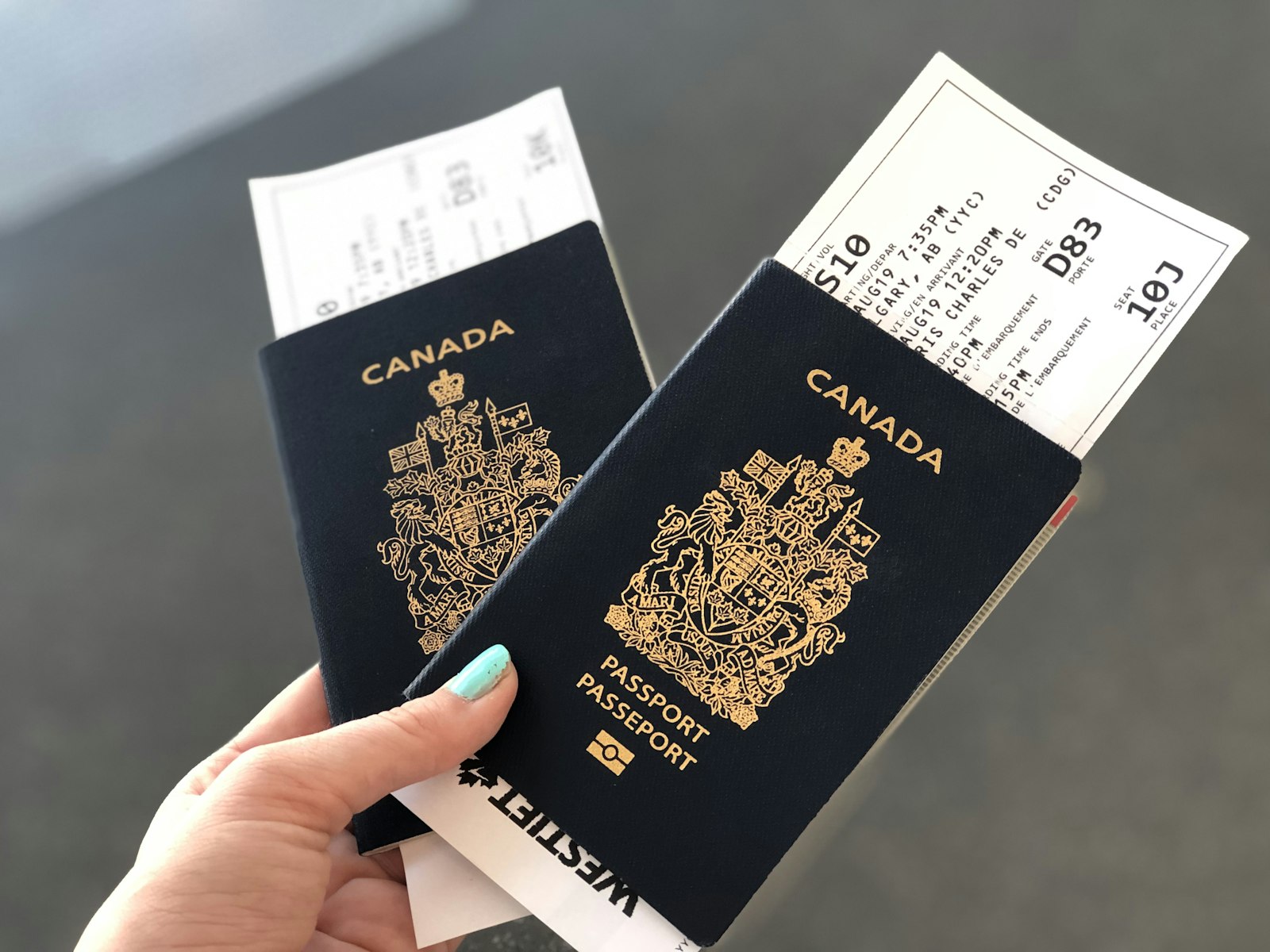
There is a particular kind of letter that no one expects to receive after they have already won. It arrives after the application is approved, after the certificate is in hand, after the passport has been ordered and the moving plans quietly begun. For a number of people across North America, that letter arrived in the second week of June, and its message was disorienting in its calm: the citizenship you were granted is now under review, and we are asking you to return your certificate.
The notices, several of which landed on 13 June, came from Immigration, Refugees and Citizenship Canada. They were not addressed only to strangers in distant places. Many went to people in the United States who had spent the past year tracing a Canadian grandparent or great-grandparent, gathering what records they could, and submitting an application under the country's revised citizenship rules. They had been told they belonged. Now they were being told to prove it again.
A repair that opened a door
To understand the letters, you have to understand the law that made the applications possible. For years, a category of people known as "Lost Canadians" existed in a kind of legal limbo: individuals whose claim to Canadian citizenship ran through an ancestor but who fell outside the strict generational limits Canada had imposed on citizenship by descent. Reform legislation, widely referred to as Bill C-3, was presented as the fix. It aimed to restore citizenship to families whose Canadian lineage passed through a parent, grandparent, or earlier ancestor, even when that line crossed a border decades ago.
The response was substantial. Applications poured in, many of them from the United States, where the appeal of a second citizenship has grown for reasons both practical and political. Processing offices that had handled descent claims in a matter of months found themselves working through a far larger and more complicated pile. By June 2026, the wait that had once been measured at around five months had stretched, by several accounts, to well over a year.
From eligibility to evidence
What changed this month was not the law but the lens. IRCC confirmed that a number of applications approved under the revised act are being re-examined, and the focus is no longer chiefly whether an applicant qualifies in principle. It is whether the paper trail behind each claim meets the department's evidentiary standard.
That distinction matters enormously. Officials have raised concerns that some applicants relied on records not issued directly by the authority responsible for maintaining them. In other cases, applicants did not demonstrate that they had tried to obtain a missing document, or explain why it could not be produced. A family history assembled mainly from genealogy websites or archived copies, the department has signalled, may not be enough. Each generation in a chain of descent generally needs an official record behind it, most often a birth certificate, and sometimes a marriage certificate where a surname changed along the way.
Crucially, the review does not automatically strip anyone of citizenship. It suspends the validity of the certificate until officials are satisfied. The letters reportedly state that recipients may submit further proof, and that if the evidence confirms entitlement, the certificate will be returned. That is a meaningful safeguard. It is also cold comfort to someone who has already booked a future on the strength of a document now sitting in legal suspension.
Lives paused mid-sentence
The human cost of a review like this is rarely visible in a policy notice. Some of those affected had already obtained Canadian passports and Social Insurance Numbers. Some had begun arranging a move north, the kind of decision that pulls schools, jobs, and leases into its orbit. A reassessment that can run for several months does not simply delay a piece of paper. It freezes a plan in place and leaves a family unsure whether to keep packing or start unpacking.
Immigration lawyers have noted that the government is acting within its authority. Citizenship has always rested on proof, and a state has a legitimate interest in granting it only where entitlement is clearly established. But many applicants were caught off guard by the timing, coming as it did after a period of public encouragement around expanded eligibility. The sequence — open the door wide, then audit who walked through — has left even sympathetic observers uneasy about how the message was managed.
Why a Kenyan reader should care
For the Kenyan and broader African diaspora, this is not a Canadian curiosity. It is a case study in a pattern that has defined the past several months: host countries widening a pathway and then tightening the documentation around it. Kenyans abroad have watched the same dynamic play out in the United States around green cards, in Europe around removal rules, and in the Gulf around labour recruitment. The Canadian episode adds a specific, transferable lesson about records.
Many African families carry exactly the kind of documentary gaps the IRCC review punishes. Birth and marriage records from earlier generations may be incomplete, held in offices that did not digitise, or lost to time and relocation. Anyone in the diaspora exploring a descent-based or ancestry-based citizenship — in Canada or elsewhere — should treat official records from the original civil registry or vital statistics office as the foundation, not the afterthought. Vital statistics offices can also issue letters confirming that no record was found, which can help fill a gap when an original simply does not exist.
What to do if a letter arrives
The practical advice emerging from this episode is consistent. Do not ignore the notice; the review proceeds whether or not a recipient responds, and silence helps no one. Gather official documents issued by the source authority rather than third-party copies. Where a record cannot be found, document the search itself — the requests made, the offices contacted, the confirmations of absence received — because evidence of a good-faith effort carries weight. And where the stakes are high, qualified immigration counsel can make the difference between a certificate restored and one quietly withdrawn.
For now, several thousand people sit in an uncomfortable middle space, citizens on paper but asked to set that paper aside. The door Bill C-3 opened has not closed. But it now has a threshold, and the diaspora is learning, again, that the surest way across is a record an official will not question.