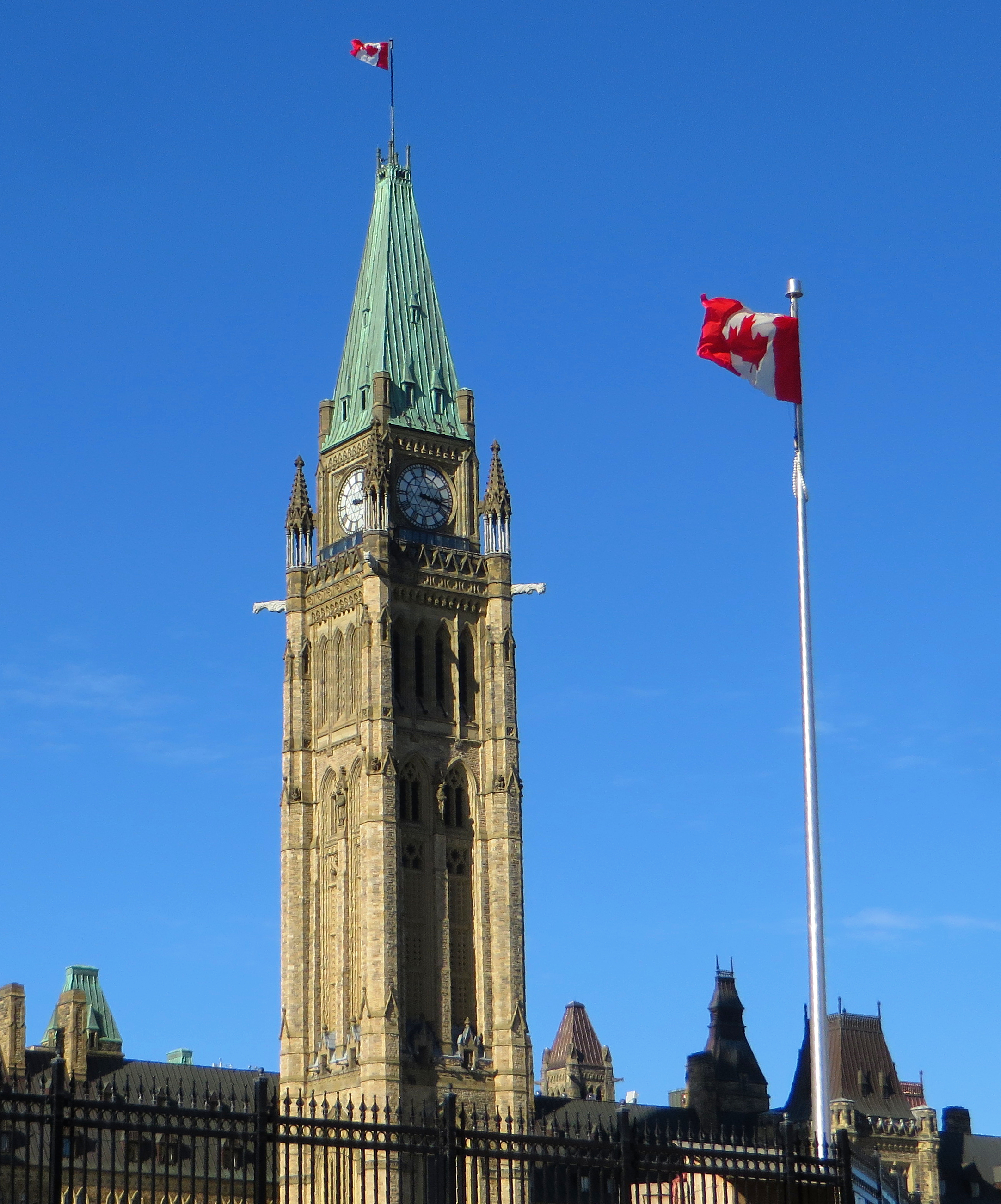
Return to Sender: How a Sudden Canadian Citizenship Review Left Thousands Holding Suspended Certificates
Ottawa has asked thousands of new citizens, nearly half of them born abroad, to hand back their certificates while their paperwork is re-examined. For Kenyans in Canada, it is a quiet lesson about documents.
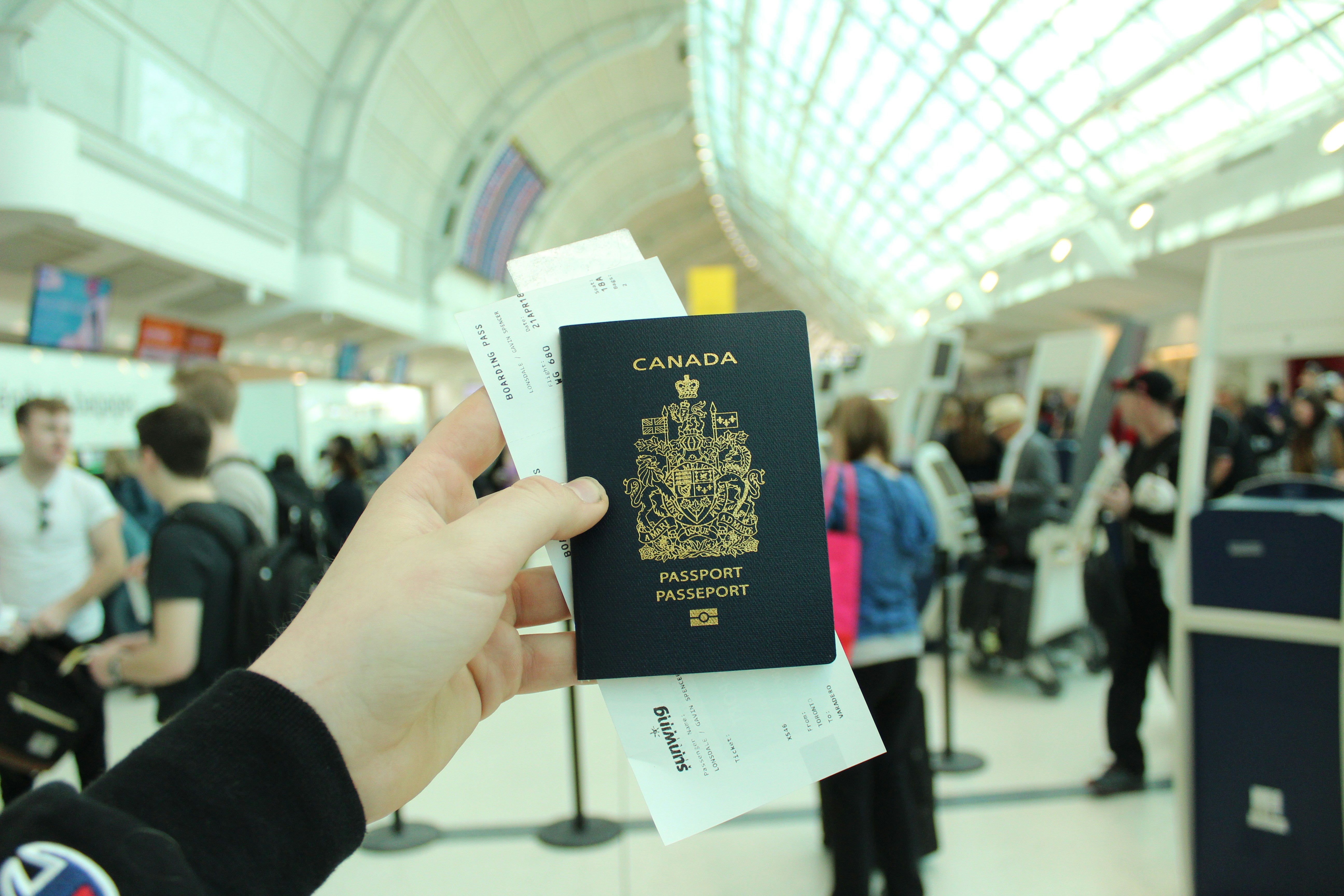
The letter arrived over a weekend, which is rarely where good news lives. In the second week of June, people across Canada and the United States opened envelopes from Immigration, Refugees and Citizenship Canada and found a notice none of them had been waiting for. The citizenship certificate they had recently been granted was now under review. Its validity had been suspended. And they were being asked to send the document back.
For many recipients, that certificate had marked the end of a long wait, the official confirmation that a parent's or grandparent's Canadian origin had finally passed down to them. The notice, signed by the Registrar of Canadian Citizenship, did not strip anyone of citizenship outright. But it froze the certificate in place until officials could be satisfied that every requirement had been met. In a single envelope, a settled question became an open one again.
A weekend notice, a national surprise
Immigration, Refugees and Citizenship Canada has confirmed that it is re-examining a batch of recently approved citizenship-by-descent applications and has asked some new citizens, a large share of them living in the United States, to return their certificates while their eligibility is reassessed. The first notices went out around 13 June, with a formal directive following days later.
The numbers help explain why the move landed so heavily. Between mid-December 2025 and the end of March 2026, the department issued roughly 4,075 citizenship certificates under newly expanded descent rules. Close to half of those, just under 2,000, went to applicants born in the United States. The reassessment does not automatically revoke citizenship; it suspends the validity of the printed certificate until the file is reviewed again, a process officials say can take several months.
The expanded rules trace back to legislation aimed at the so-called "Lost Canadians," people with a genuine Canadian lineage who had been shut out of citizenship by earlier limits on passing status down through generations. When the door opened, thousands stepped through. Now some of them have been asked to wait in the hallway while the paperwork that admitted them is checked a second time.
The paper trail problem
At the centre of the review is a question of evidence. According to the department, two issues recur across the flagged files. In some cases, applicants relied on documents that were not issued by the authority responsible for keeping the original records. In others, applicants did not show that they had tried to obtain a missing record, or explain why it could not be produced.
That distinction matters more than it might first appear. Proving descent means proving an unbroken chain, with each generation typically supported by an official record such as a birth certificate, and sometimes a marriage certificate where a surname has changed along the way. Copies pulled from genealogy websites or family archives can help map a family tree, but on their own they may not meet the evidentiary standard the government now says it expects. Where a record genuinely does not exist, vital statistics offices can issue a letter confirming that no record was found, and applicants are expected to supply written explanations of the gaps.
In other words, the review is less about who these people are than about where their documents came from. For families whose histories cross borders and decades, that is a demanding line to hold.
Why Kenyans in Canada are reading closely
The directive is, on its face, a story about descent claims and "Lost Canadians," not about recent African migration. Yet it has been picked up quickly by Kenyan diaspora outlets, and for good reason. Canada is now home to one of the larger and faster-growing Kenyan communities outside East Africa, drawn by study permits, the Express Entry skilled-worker stream, and family reunification. Almost every one of those pathways turns, at some point, on documents issued far from Ottawa.
A Kenyan applicant assembling a permanent residence or citizenship file routinely leans on birth certificates, marriage certificates, and police clearances issued by Kenyan civil registries. The lesson Kenyan-Canadians are taking from this week's events is not that their status is suddenly at risk, but that the department is signalling a harder line on the provenance of documents, on whether a record came directly from the office that holds the original rather than from a secondary copy. For a community whose paperwork by definition originates abroad, that emphasis is worth noting now rather than later.
The legal pushback
Immigration lawyers have been quick to question the manner of the review, even where they accept the government's authority to conduct it. Several have called it highly unusual for the department to suspend a citizenship certificate after it has already been issued, and rarer still to do so for so many people at once. The thrust of the criticism is that concerns about documentary evidence should have been resolved before a positive decision was made, not raised by reopening files that applicants reasonably believed were closed.
The timing has added to the frustration. The expanded eligibility rules were rolled out with considerable public attention earlier in the year, encouraging exactly the wave of applications now under scrutiny. Opposition politicians have pressed for an explanation of why the certificates were suspended so abruptly and how many people are affected. The government, for its part, frames the review as a matter of rigour, an effort to ensure that citizenship is confirmed only when entitlement has been clearly established.
What affected applicants can do now
For those holding one of the suspended certificates, the immediate steps are practical. If the letter asks for the certificate to be returned, that is the instruction to follow; suspension is not the same as revocation, and returning the document is part of the review rather than the end of it. Beyond that, the work is documentary: gathering records issued directly by the original source authority, requesting "no record found" letters from the relevant vital statistics offices where documents are genuinely unavailable, and preparing written explanations for any gaps in the chain.
Lawyers advise affected applicants to keep copies of everything they submit and to resist the temptation to fill holes with genealogy-site printouts, which are precisely the kind of secondary evidence the review is questioning. Patience will be required: officials have signalled the process may run for months, and people who had already obtained Canadian passports or made plans to relocate may find those arrangements on hold in the meantime.
A wider lesson for the diaspora
Strip away the specifics of Canadian descent law and a more general message remains, one that travels well beyond this single directive. Across host countries, immigration systems are placing growing weight on where a document originates and how cleanly it can be traced to its source. Kenyans navigating green cards in the United States, settlement in the United Kingdom, or residence in the Gulf are encountering versions of the same demand for primary, verifiable records.
The Canadian episode is a reminder that an approval is not always the final word, and that the strength of a file rests on the integrity of its paperwork long after the certificate has been printed. For a diaspora built on documents that cross oceans, that is less a warning than a prompt: keep the originals, know which office issued them, and be ready to show the chain.