Justice Before the Signatures: Why Nanyuki's Families Want a Reckoning Before Britain's Army Stays On
As Kenya and the UK move to renew the deal that keeps British troops training beneath Mount Kenya, families in Nanyuki say accountability for old wounds must come first.
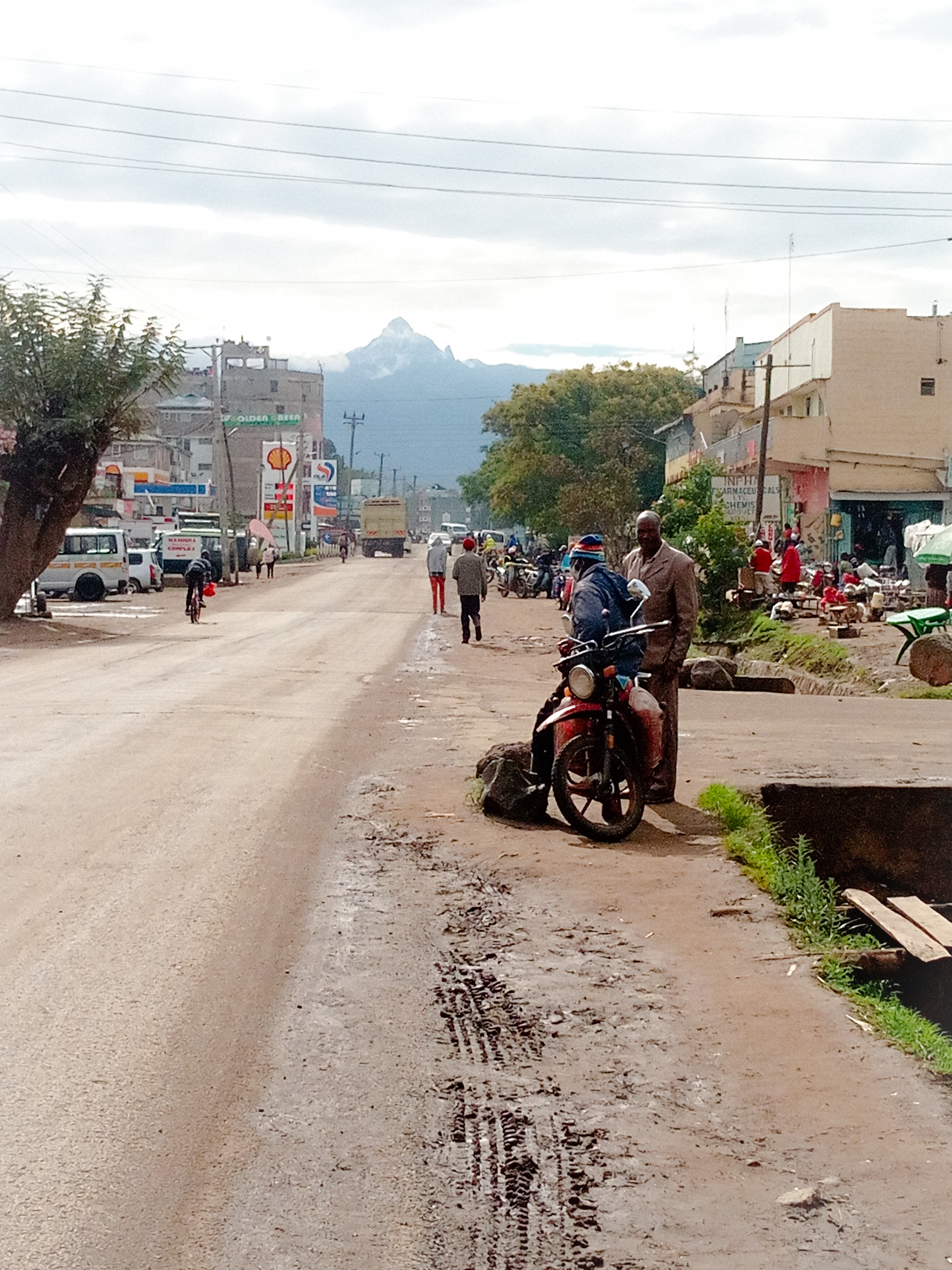
In Nanyuki, the British Army is not an abstraction. It is the convoy that rolls through town before dawn, the accents in the bars off the main road, the training rounds that echo from the plains toward Mount Kenya. For Esther Njoki, it is also the reason her family has spent more than a decade asking the same question and receiving no answer: who killed her aunt, and why has no one been held to account?
Agnes Wanjiru was a young mother when she was last seen alive in 2012, in the company of British soldiers on leave in this Laikipia highland town. Her body was later found in the septic tank of a Nanyuki hotel. For fourteen years the case has moved between Nairobi and London, between Kenyan inquests and British headlines, without a single conviction. Now, as Kenya and the United Kingdom move to renew the agreement that keeps British troops on Kenyan soil, the families who live closest to the garrison are saying the same thing in different words: not until there is justice.
A Town Built Around a Garrison
The British Army Training Unit Kenya, known universally as BATUK, has trained soldiers in the grasslands and bushland around Nanyuki for decades, long enough that the relationship has become part of the town's economy and its identity. Thousands of British personnel rotate through each year, using the open country of Laikipia to rehearse the kind of warfare the cramped ranges of Britain cannot accommodate. The arrangement rests on a defence cooperation agreement between the two governments, a five-year framework that lapsed in 2025 and is now the subject of fresh negotiation.
For the Kenyan state, the renewal is a question of money, diplomacy and security partnership. For the people of Nanyuki, it is something more intimate. The same plains that host the exercises are home to herders, smallholders and families whose lives have been shaped, and sometimes scarred, by their proximity to a foreign army. As the talks resume, residents and rights groups are insisting that the next agreement cannot simply paper over the grievances of the last one.
The Name That Will Not Fade
No case has come to symbolise those grievances more than that of Agnes Wanjiru. Her death drew international attention when British media reported that fellow soldiers had long known who was responsible, and a Kenyan inquest concluded she had been killed by British personnel. Yet the path to prosecution has been tangled in jurisdiction, in the slow machinery of cooperation between two legal systems, and in the perception among her relatives that neither government has treated her killing as urgent.
Esther Njoki has become the public face of that long wait. The family's appeals have echoed far beyond Nanyuki, reaching the British press, the British Parliament and the wider Kenyan community abroad, for whom the case has become a test of whether a powerful ally will hold its own to account. Each promise of progress, the relatives say, has been followed by another delay. The renewal negotiations have given their campaign a deadline and a new urgency: if leverage exists, it exists now, while signatures are still pending.
The Children and the Land
Wanjiru's case is the most prominent, but it is not the only wound. Across Laikipia, rights defenders have documented a generation of children fathered by British soldiers and then left behind, many growing up without acknowledgement or support from the men who returned home. Activists have spoken of using DNA records to establish paternity, and of mothers who have spent years seeking recognition for sons and daughters who carry a soldier's features and none of his name.
There are environmental claims too. Communities near the Lolldaiga conservancy have pointed to a fire that swept the area during a training exercise, alleging lasting harm to grazing land, wildlife and health. Human rights advocates working alongside the affected families, among them campaigners who have organised the recent demonstrations, argue that these complaints share a common thread: a sense that harm done by visiting soldiers is absorbed by Kenyan communities while accountability drifts away across the sea.
Justice Before the Signatures
That argument has now reached Parliament. The National Assembly's committee handling defence and foreign relations took up an inquiry into BATUK, but when it met in mid-June the session was held behind closed doors, and Wanjiru's relatives said they were shut out of proceedings they had expected to attend. The exclusion crystallised the families' fear that the renewal will be negotiated over their heads, the diplomacy concluded before the reckoning begins.
Kenyan officials have signalled that this time will be different, with the government publicly vowing to take allegations of British army abuses seriously and to fold accountability into the terms of any new deal. Campaigners have heard such assurances before. Their demand is concrete rather than rhetorical: compensation for documented harm, cooperation that actually delivers a prosecution in the Wanjiru case, and a renewed agreement that writes the rights of host communities into its text rather than leaving them to goodwill.
Why the Diaspora Is Watching
For Kenyans abroad, and especially the large community in Britain, the BATUK question lands close to home. The Wanjiru case has been raised in Westminster and covered relentlessly by the British press, making it one of the rare Kenyan stories that travels intact into the politics of the host country. Diaspora activists have used that visibility, pressing British representatives and amplifying a family's grief into a matter of bilateral conscience.
The stakes extend beyond a single case. The UK is among the destinations reshaping how Kenyans migrate, study and work, and the texture of the relationship, whether it feels like partnership or like deference, colours how the diaspora experiences life there. A renewal that delivers justice would signal that the alliance can bear scrutiny. One that does not would confirm a suspicion many Kenyans abroad already carry: that some debts are quietly written off once the cameras move on. In Nanyuki, beneath a mountain that has watched the soldiers come and go for generations, the families are betting that this time the question cannot be deferred.