Ghana Unveils Diaspora Bonds Push as Remittances Hit $8 Billion, Triple FDI Inflows
Bank of Ghana is launching diaspora bonds and structured investment vehicles to channel the country's $8 billion in annual remittances—now three times larger than foreign direct investment—into long-term development fina
Ghana is moving to convert its record $8 billion diaspora remittance flows into productive investment capital through a new "Remit2Invest" framework anchored on diaspora bonds, structured investment vehicles, and blockchain-enabled financial products.
Bank of Ghana Governor Dr. Johnson Pandit Asiama announced the policy direction at a roundtable in the United States on April 19, 2026, outlining a strategy to transform remittances from consumption-driven flows into investment-led capital.
"We are working to ensure that when a Ghanaian in Washington or elsewhere decides to invest in Ghana, whether in government securities, SMEs, fintech, real estate, or infrastructure, the pathway is seamless, credible, and rewarding," Dr. Asiama said.
Remittances now dwarf foreign investment
The 2025 remittance total of nearly $8 billion marked a sharp rise from about $4.6 billion in 2024 and, at roughly 6 percent of gross domestic product, overtook foreign direct investment for the first time. FDI stood at about $2.5 billion in 2025, leaving remittances roughly three times larger.
The milestone makes Ghana's diaspora one of the country's most significant sources of external capital—larger than foreign investors, larger than development assistance, and increasingly more reliable than export earnings.
The Bank of Ghana has moved to formalise that advantage. Dr. Asiama said the central bank is exploring diaspora bonds and structured investment vehicles, promoting foreign currency-denominated investment products through supervised industry players, strengthening regulatory requirements for cross-border flows, and establishing more structured and continuous diaspora engagement platforms.
Drawing on global models
Ghana is drawing on lessons from countries such as the Philippines, Mexico, and Kenya, which have successfully implemented structured diaspora investment frameworks. Kenya crossed the $5 billion remittance threshold in 2025 and has launched a Diaspora Investment Strategy (2025-2030) that includes diaspora bonds, special investment funds, and streamlined property purchase processes for Kenyans abroad.
The Bank of Ghana's strategy focuses on creating clear pathways for diaspora investment across public securities, small and medium-sized enterprises, fintech, real estate, and infrastructure. As part of this effort, the central bank is working to broaden financial products beyond basic transfers to include bank-led offerings, mobile money solutions, and digital remittance platforms.
The fintech tailwind
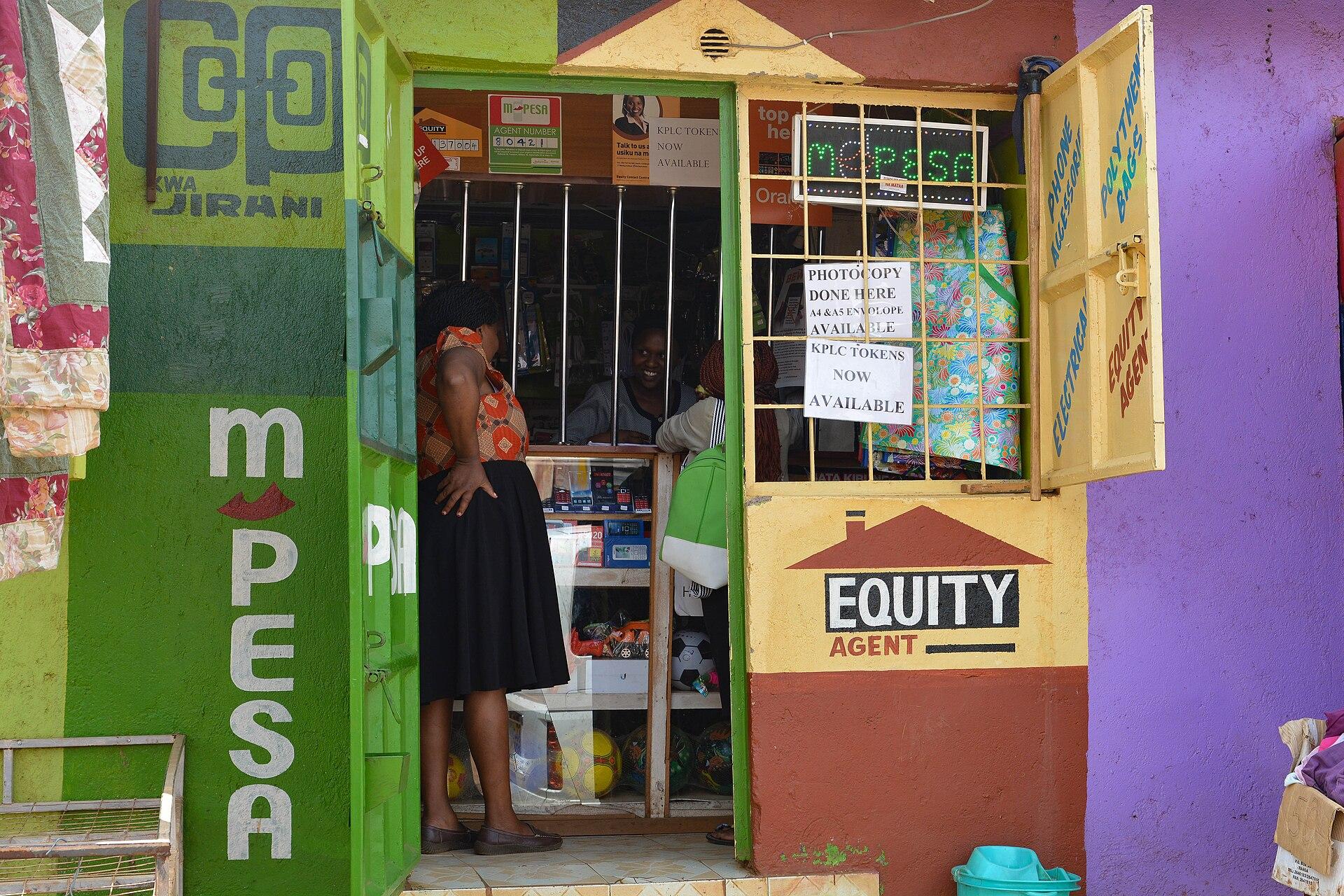
Ghana's remittance landscape has evolved rapidly, supported by collaboration among banks, fintech firms, and global payment operators. Mobile money platforms now handle approximately 60 percent of foreign exchange inflows in Ghana, highlighting their importance in the country's financial landscape.
The Bank of Ghana is leveraging fintech partnerships to reduce remittance costs and ease settlement bottlenecks across cross-border transactions. Historical remittance fees to Africa ranged between 7 and 12 percent per transaction; the new generation of diaspora fintechs has compressed that to 1 to 3 percent in most corridors.
The central bank wants those flows converted from household transfers into long-term investment capital, channelled through diaspora bonds, blockchain-based remittance tools, and structured financial products that make investing in Ghana from abroad both credible and rewarding.
The 2025 cedi shock
Ghana's remittance boom hit a speed bump in mid-2025 when the Ghanaian cedi appreciated dramatically against the US dollar, gaining over 40 percent. According to Dr. Asiama, Ghana saw a nearly 50 percent decline in remittance inflows in mid-2025 as diaspora senders paused transfers and re-evaluated the exchange rate math.
When the cedi strengthens, the dollars relatives send buy less. Fintech apps make the transaction faster and cheaper, but they can't fix currency volatility. By December 2025, though, cumulative remittances had recovered to approximately $7.79 billion for the year, suggesting the disruption was temporary.
What comes next
The Bank of Ghana is working with financial institutions, fintech companies, and investment partners to develop innovative financial products aimed at channeling diaspora remittances into productive investment and job creation. Speaking at the launch of the Ghana Investment Promotion Authority's 2025 Annual Investment Report on August 21, 2026, Dr. Asiama said Ghana's diaspora represented one of the country's most significant opportunities for mobilising capital to support long-term economic transformation.
The government is courting international investors to sustain its gains while easing reliance on external borrowing, with domestic resource mobilisation, diaspora investment, and digital finance central to its medium-term growth plan.