From the Clubs of Nairobi to a Milan Stage: How Jack Rooster Is Carrying Kenyan Afro-House Into Europe
A Nairobi-born DJ's June 25 booking to open for Uncle Waffles in Milan is a small but telling sign of how Kenya's electronic-music scene is edging onto Europe's nightlife circuit.
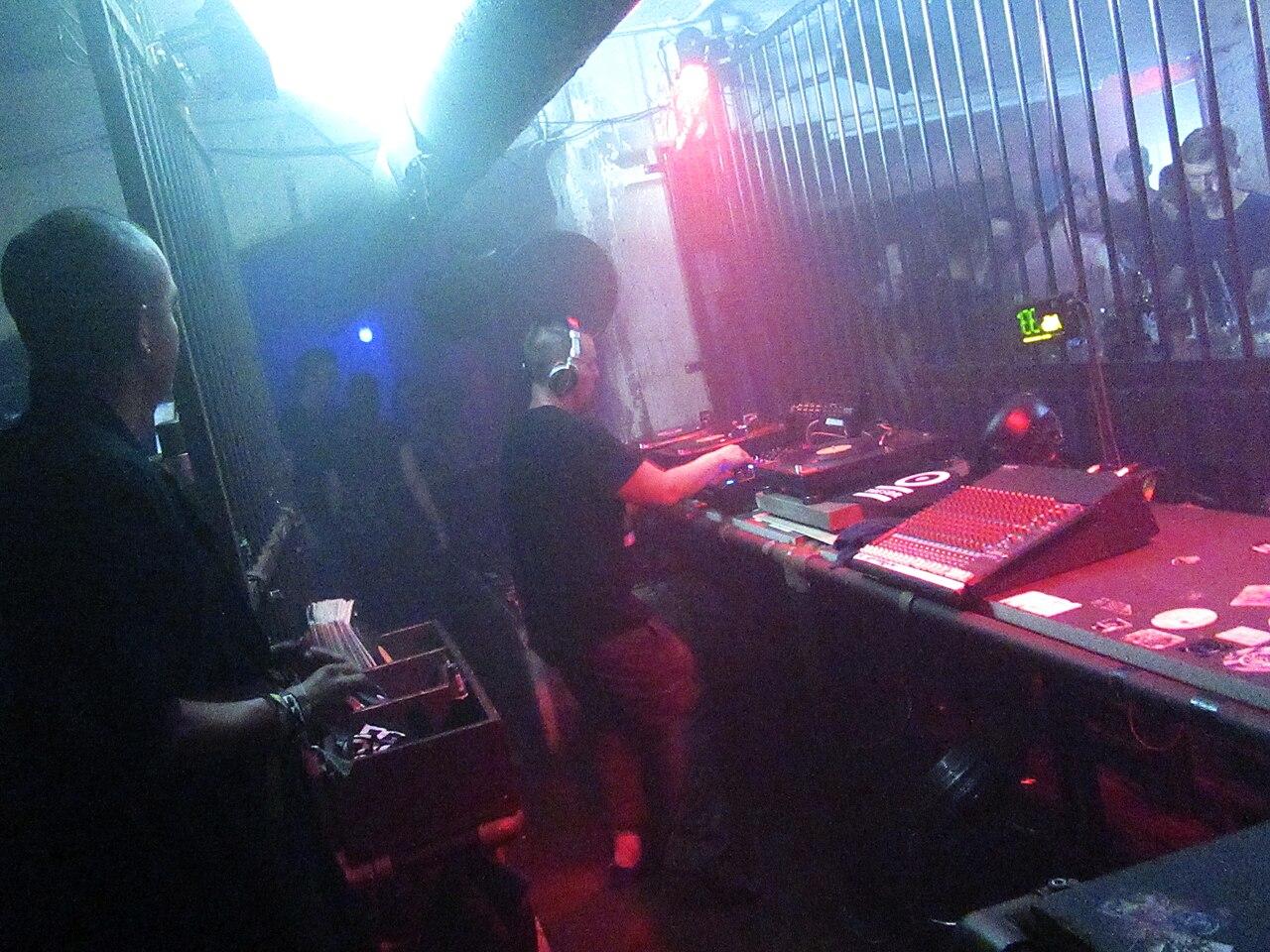
On the night of 25 June, a DJ booth at Milan's JustMe Club will belong, for a while, to a Kenyan. Jack Rooster — born in Nairobi, schooled on the city's late-night radio waves — is scheduled to open for Uncle Waffles, the South African Amapiano star whose sets now fill rooms from Johannesburg to London. For a selector who spent years threading Kenyan rhythms through international house music in clubs back home, a warm-up slot in front of a European crowd is the kind of booking that, a decade ago, would have seemed improbable for an artist coming out of Nairobi rather than Lagos or Johannesburg.
It is, on paper, a single gig. But it sits at the meeting point of two larger stories: the global surge of African electronic music, and the quieter rise of a Kenyan creative diaspora that has spent the last few years turning relocation into reach.
A Sound Built on Nairobi Radio
Rooster did not arrive in Milan by accident. He is among the figures credited with helping build the Afro-House movement in Kenya, a scene that for years lived in the margins of a market crowded by pop imports and gospel. He made his name on air first, hosting the Caffe Mocha show on HBR 103.5 FM and, earlier, working in the orbit of Homeboyz Radio, the Nairobi station that has functioned as a training ground for a generation of Kenyan disc jockeys.
His Deeper Sounds of Nairobi podcast extended that reach beyond the FM dial, packaging the city's electronic underground for listeners who would never set foot in its clubs. In 2019 he released a debut album, Nyumba — Swahili for home — that fused Kenyan musical textures with the steady pulse of global house. The record did not top international charts, but it gave him something more durable: an identifiable sound he could carry across borders.
The Long Road Through Europe
Five years ago, Rooster relocated to Italy. What followed was the unglamorous work that rarely makes headlines — building contacts, playing smaller rooms, earning the trust of promoters who had never heard of Nairobi's house scene. Over time he shared stages with names that carry real weight in the genre: Black Coffee, the South African producer who helped take the sound mainstream; Shimza; and the Amapiano hitmaker Tyler ICU.
The Milan booking is his first performance in that city, and his schedule suggests the momentum is not a one-off. He has residencies planned later this year in Ibiza — the Spanish island that remains a spiritual home of European club culture — and in Rome, where he has already played. He called the night "more than a gig," describing it as a full-circle journey from the clubs of Nairobi to the rooftops of Rome, and promising to bring what he termed "Kenyan-Italian fire" to the floor.
Why Kenya Has Watched From the Side of the Stage
The significance is easier to read against the backdrop of the past decade. African music has become one of the most exportable cultural products on earth, but the spoils have been unevenly shared. Nigeria's Afrobeats and South Africa's Amapiano and house traditions captured the global imagination, sending artists onto festival main stages and streaming playlists worldwide. Kenya, despite a deep well of talent, has more often watched from the wings — its acts booked as openers for visiting stars rather than as headliners in their own right.
That imbalance has been a long-running frustration in Nairobi's music industry, where artists and promoters argue that the country lacks the export infrastructure — the labels, the booking networks, the international press attention — that propelled their West and Southern African peers. A Kenyan name on a Milan line-up, even in the opening slot, chips quietly at that perception.
When the Diaspora Becomes the Distribution Network
Rooster's path also illustrates how the Kenyan diaspora increasingly functions as a kind of distribution network for the country's culture. Relocation, in his case, was not an exit from the Kenyan scene but an extension of it: he carries the catalogue and credibility built in Nairobi into European rooms, then broadcasts the encounter back home through the same social channels that once followed him on the radio.
The response to the Milan announcement underscored that loop. Former listeners resurfaced online to mark the distance travelled — from a Caffe Mocha radio slot to a Milan club bill — the kind of communal pride that turns one DJ's booking into a shared milestone. It is soft power of the most organic sort, generated not by a government campaign but by an individual artist and the audience that claims him.
A Stage Worth Managing Well
There is a cautionary note threaded through the story, too. Uncle Waffles is a major draw, but her history with Kenyan audiences carries a complicated memory: an earlier performance in the country, at Nairobi's ASK Dome, descended into disorder when overcrowding overwhelmed organisers and police resorted to tear gas to manage the crowd. The Milan promoters, operating in a different regulatory environment, will be expected to deliver the smooth, well-run night that the genre's growing audience now takes for granted.
For Rooster, the stakes are narrower and more personal. A clean, confident set in front of a European crowd is the kind of credential that turns a promising relocation into a sustainable career — and makes the next booking easier to land. Kenya has produced no shortage of artists capable of holding that kind of stage. What it has lacked is the steady accumulation of moments like this one, where a Nairobi sound is heard, on its own terms, in a room far from home.
When the lights come up over JustMe Club on 25 June, the headline will belong to Uncle Waffles. But for a stretch of the evening, the floor will move to a rhythm shaped on Nairobi radio — and, if the early signs hold, it will not be the last European night that does.