From Kenya to Kamloops: How a Familiar Driving Habit May Have Sent Benina Jepkoech Into a British Columbia River
A 24-year-old Kenyan migrant is presumed drowned in the North Thompson River. Friends say the gap between left-hand and right-hand traffic may have caught her in the wrong instant.
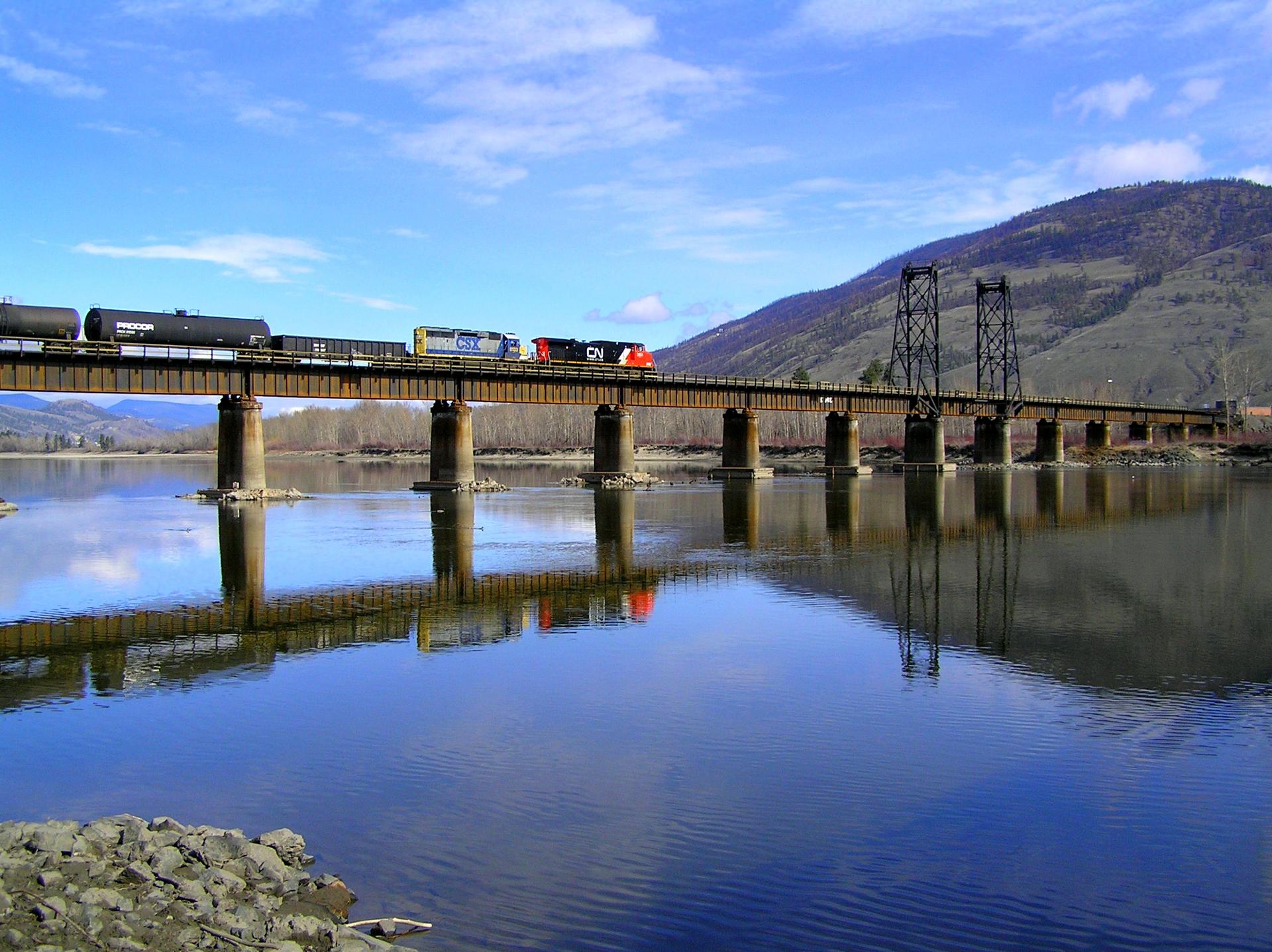
On a calm Sunday evening in Kamloops, British Columbia, twenty-four-year-old Benina Jepkoech turned onto Schubert Drive in the same direction she had likely driven dozens of times before. What happened in the next few seconds, according to friends who were with her and witnesses who watched it unfold from the shoreline, came down to a fraction of a second of confusion: a car approaching from what felt like the wrong side, a hand twitching the wheel toward an unfamiliar lane, and a stretch of road that ended, not in a guard rail, but in the cold, fast brown current of the North Thompson River.
Eight days later, search crews have suspended their work. Spring snowmelt has turned the river into a thundering, opaque rush that even seasoned divers cannot enter safely. Jepkoech's body has not been recovered. Vigils for her have moved from a Kamloops park to a quiet rotation of WhatsApp prayers between her circle of friends and a family in Kenya who are still waiting to hear that their daughter is coming home.
The Last Right Turn on Schubert Drive
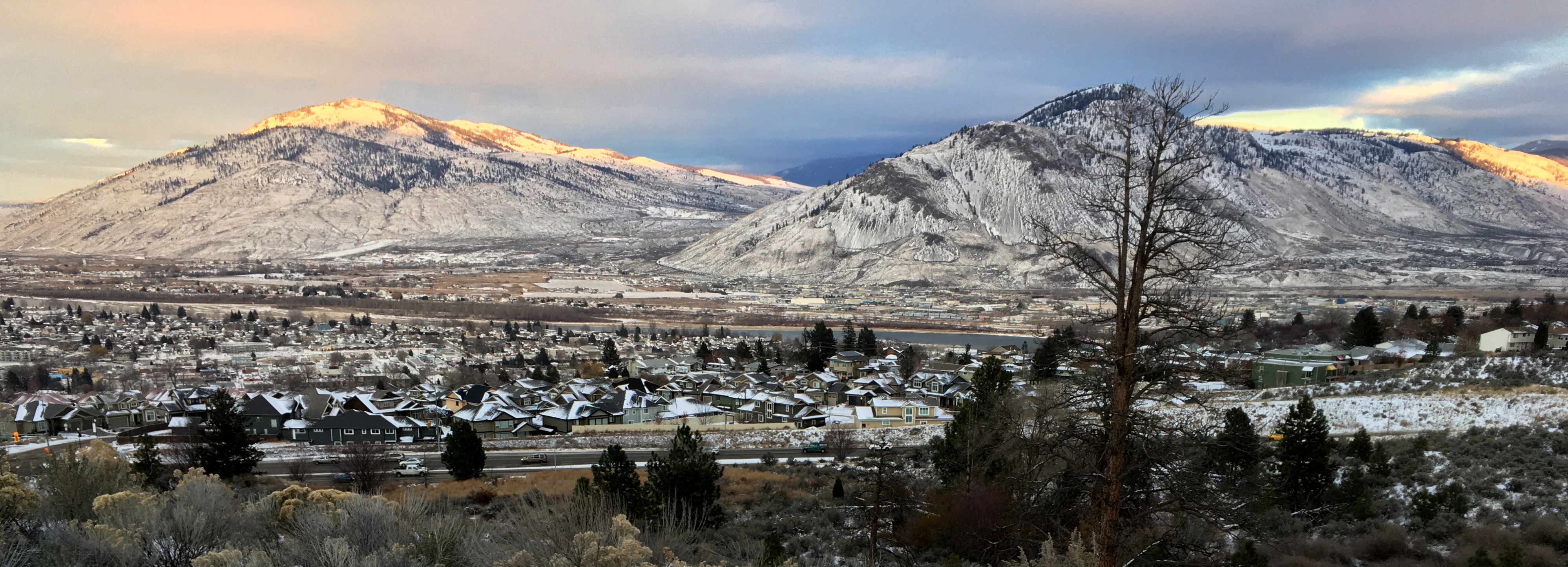
The basic facts have been pieced together from accounts shared with Canadian outlets and with Mwakilishi, a Kenyan diaspora newspaper that named Jepkoech in a report on Sunday. Jepkoech was driving on Schubert Drive in the late afternoon of May 17 when her vehicle crossed Rivers Trail and entered the North Thompson, a tributary that runs along the northern edge of the city before joining the South Thompson at the heart of downtown Kamloops.
A 21-year-old passenger in the car, identified only as Nelly, was pulled from the river by a group of bystanders that included a man named Cameron Granger and crews from Kamloops Fire Rescue. Nelly survived. In an interview given days later at a candlelight vigil in the city, she described what she saw in the seconds before the car left the road: Jepkoech, she said, appeared to panic when she registered an oncoming vehicle. The wheel turned. The accelerator, not the brake, went down. The car was suddenly airborne, and then it was in the water.
A Year in Kamloops, Two Jobs, One Goal
Jepkoech had been in Canada roughly a year when she died. She had built a life that will sound familiar to many Kenyans who have settled in mid-sized Canadian cities in the past decade: a long workweek stitched together from two jobs, a downtown hotel and an Afrofusion restaurant in Kamloops, and a small but determined diaspora circle to share Sundays with.
Friends in the city described her, in conversations with the Canadian Broadcasting Corporation and Mwakilishi, as humble, dependable, and visibly devoted to the people she had left behind. Most of the money she earned went back home to Kenya, where her five-year-old son lived with relatives. She is also survived by her parents and siblings, who, friends say, are waiting first for closure and only then for the long, expensive process of repatriation.
The Driving Gap Kenyan Migrants Carry Across Borders
The detail that has shaken the Kenyan-Canadian community most is not the river. It is the steering wheel.
Kenya is one of about seventy-six countries, including the United Kingdom, Australia, India, South Africa, and most of East Africa, where vehicles travel on the left and the driver sits on the right. Canada, like the United States, is firmly in the right-hand-traffic camp. For migrants who learned to drive in Nairobi or Nakuru and then took the wheel for the first time in Toronto, Calgary, or Kamloops, the cognitive switch is rarely a single moment of decision. It is a hundred quiet adjustments a week: which mirror to glance at first, which side of an intersection to look at when turning, which shoulder a car will appear on when merging.
In moments of panic, transportation researchers have long observed, drivers tend to default to whichever side they learned on rather than the side they live on. Friends of Jepkoech, speaking to Canadian reporters, said they believe that may have been what happened on Schubert Drive: that as the oncoming vehicle approached, an old instinct nudged her hands the wrong way, and there was no time to recover.
Kenya's High Commission in Ottawa has not commented publicly on the case. But within Kamloops's small Kenyan circle, the conversation has already shifted toward whether community-funded driving classes, explicitly designed around the left-to-right transition, should become a default part of settling in.
A River Too Fast for the Searchers
The North Thompson is not an unfamiliar killer in this part of British Columbia. Spring snowmelt from the Cariboo Mountains pours into it through May and June, sending water levels and current speeds well past the point where surface searches are safe. Jeremy Frankel of Kamloops Search and Rescue, speaking after the initial response was scaled back, said his teams will return when the water allows, but did not commit to a date. The implication for Jepkoech's family is bleak: the body may not be recoverable for weeks, possibly months.
That uncertainty has its own cost. Friends in Kamloops describe an emotionally suspended week of phone calls between British Columbia and Kenya, condolence messages that cannot quite be condolences yet, and a steady drip of fundraisers, some informal, some routed through Kenyan diaspora WhatsApp groups in Vancouver, Calgary, and Toronto, to prepare for an eventual flight home.
Vigils, Friends, and a Family Waiting in Kenya
A candlelight vigil was held in Kamloops earlier in the week. Dozens of mourners, most of them not Kenyan, gathered along a stretch of Rivers Trail near where the car entered the water. Granger, the bystander who jumped into the river to help Nelly, met her again at the gathering. Members of the community have publicly thanked him and the other rescuers, and Kenyans-in-Canada Facebook groups have shared his name with notable warmth.
For Jepkoech's parents and siblings in Kenya, the waiting has been the heaviest part. The country's diaspora press routinely covers the unhappy mathematics of repatriation: families that cannot afford to fly a relative home, fundraising campaigns that drag on for months, bodies that arrive in cargo and require a separate set of fees and clearances. None of that paperwork can begin until Jepkoech is found.
What Comes Next for the Kenyan Community in B.C.
Beyond Kamloops, Jepkoech's death joins a quietly growing file of Kenyan-Canadian losses that have unfolded outside major media attention: drownings, traffic deaths, sudden illnesses, isolated lives undone in cities where the only people who notice are co-workers and a handful of compatriots from the same WhatsApp group. Canadian census records counted close to twenty thousand Kenyan-born residents at the last full tally, but those who have built community across British Columbia say the network is still thin enough that one death in a small city like Kamloops is felt across the province.
Several community leaders in Vancouver and Calgary said this week that they will use Jepkoech's case to push two practical conversations forward: structured driving-transition programs for new arrivals, and a clearer, faster pathway for repatriation when something goes wrong. Neither will help Jepkoech's family today. But they may, by the next snowmelt season, mean one less call from a stretch of unfamiliar road back to a quiet village in Kenya.