Two Jobs, One River: How the Loss of Benina Jepkoech Is Forcing Canada's Kenyan Diaspora to Talk About the Roads
A 24-year-old's drive through Kamloops ended in the swollen North Thompson. Her friends say a moment of panic at oncoming traffic may have cost a life — and exposed a hazard no orientation packet ever names.

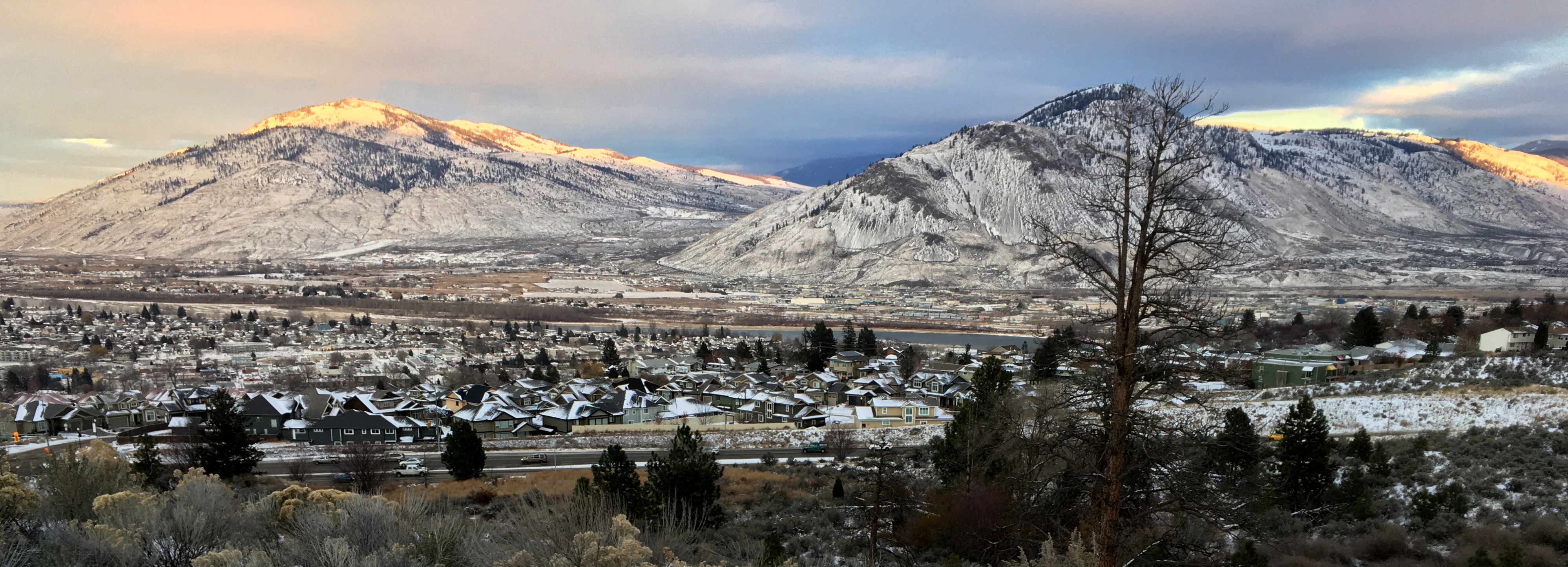
The North Thompson River was still running high when the candles arrived in Kamloops on Saturday evening. Coworkers, neighbours and strangers held small flames against the wind on the bank of Schubert Drive, the same stretch of road where, a week earlier, a small sedan had skidded across two lanes, crossed Rivers Trail and vanished into the brown current. The car has not been recovered. The driver has not been recovered. Her name was Benina Jepkoech, and she was 24 years old.
Jepkoech moved to British Columbia last year from Kenya. She worked at a downtown Kamloops hotel by day and at an Afrofusion restaurant on weekends, the kind of two-job life that has become routine for young Kenyans building a foothold in Canada's interior. The wages she earned helped support her parents and a five-year-old son who is now waiting in Kenya to be told what has happened. Friends describe her as humble, dedicated and protective of the small circle of Kenyans she had found in the B.C. interior. To them she was a young woman building, carefully, a life two continents wide.
On Sunday evening, May 17, just after 6:30 p.m., something went wrong on a quiet residential street that hugs the river.
A moment on Schubert Drive
The crash was witnessed by neighbours and joggers. A 21-year-old passenger, whom friends have identified only as Nelly, was pulled from the river by bystanders and by crews from Kamloops Fire Rescue. Nelly survived. In conversations with CBC News and at a community vigil days later, she described the seconds before the car left the road: Jepkoech, behind the wheel for one of her first solo drives in Canada, appeared to panic at the sight of oncoming traffic, swerved, and lost the vehicle to the slope. Cameron Granger, one of three bystanders who entered the river to help, was later embraced by Nelly at a vigil in Riverside Park, a moment local outlet Castanet Kamloops captured in its weekend coverage.
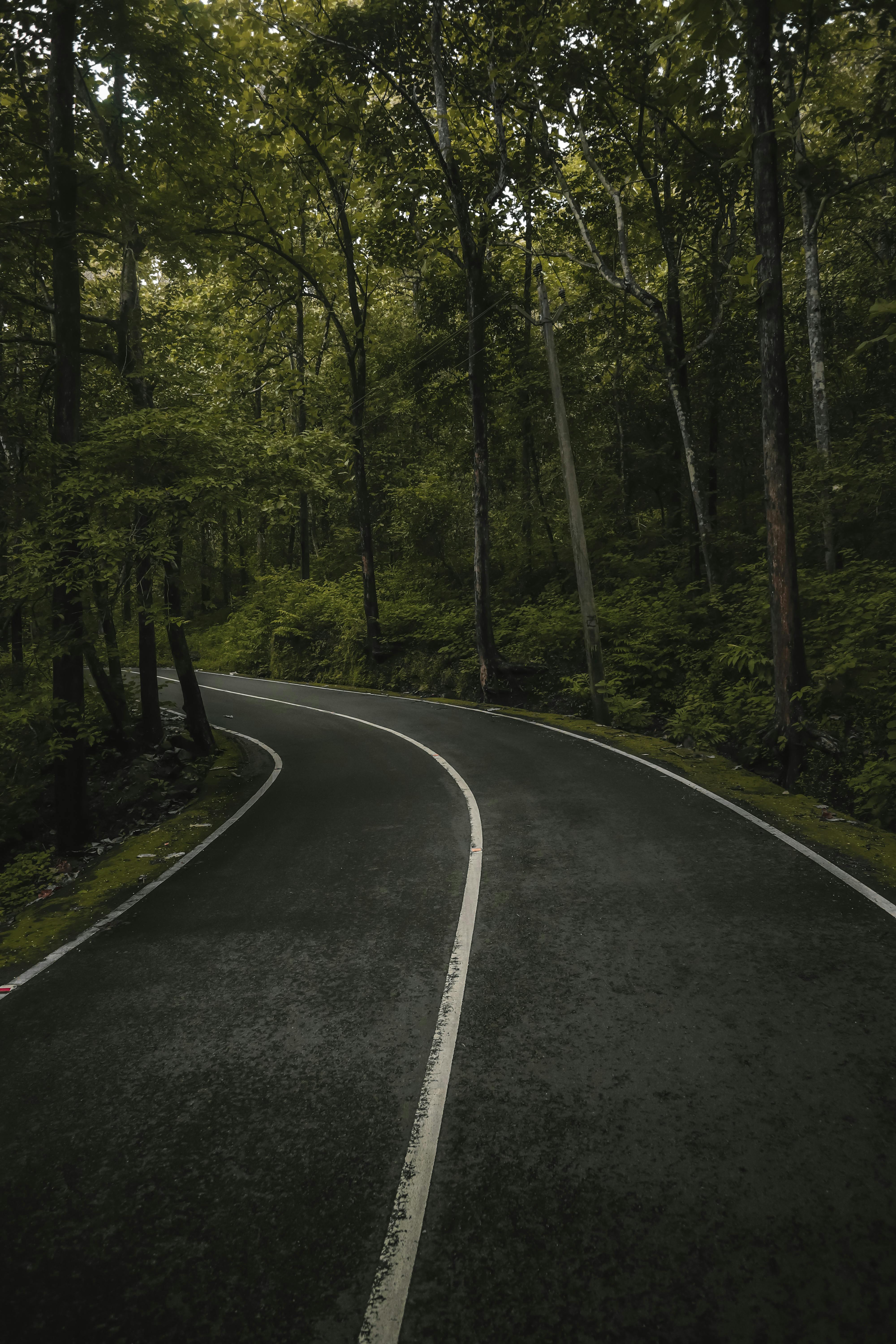
Friends speaking to CBC News and to the Kenyan paper Mwakilishi have offered an explanation that has spread quickly through the Kenyan Canadian community. Jepkoech had grown up driving on the left, the inherited British rule of the road still practised in Nairobi, Mombasa and every Kenyan county. In Canada, traffic moves on the right. When a vehicle came toward her in what her brain expected to be her own lane, the instinct that has kept generations of Kenyan drivers alive may have been the same instinct that pulled her wheel the wrong way. Whether that was the proximate cause of the crash is for investigators to determine; what is not in dispute is that it is now the explanation circulating most widely among those who knew her.
The two-job life
Those who knew her have been careful, in their grief, to centre who Jepkoech was rather than how she died. She was a daughter. She worked full-time at the hotel and picked up weekend shifts at an Afrofusion restaurant, a place where the cooking, the music and the language reminded her of home. Her tips, friends say, mostly went home. The five-year-old son she left behind lives with her parents in Kenya, who are now navigating the strange Canadian rhythm of waiting for a body that cannot yet be recovered.
The Kenyan community in Kamloops is small but not new. Students enrolled at Thompson Rivers University have anchored a quietly growing population of younger arrivals; the Afrofusion restaurant where Jepkoech worked has become a soft landing pad for first-year migrants and a meeting point for the city's wider African diaspora. In the days since the crash, the restaurant has hosted prayer gatherings, and a fundraising page launched by Jepkoech's friends to help repatriate her remains and support her family back in Kenya has been quietly circulating on Kenyan diaspora WhatsApp groups across Alberta and British Columbia.
The road no orientation packet names
For Kenya's expanding Canadian diaspora — concentrated in the Greater Toronto Area, Calgary, Edmonton and increasingly in the B.C. interior — Jepkoech's accident has reopened a conversation that immigrant communities tend to have quietly. Canada offers newcomers a familiar checklist on arrival: housing, work permits, healthcare cards, schooling, sometimes child-care subsidies. Driving on the opposite side of the road rarely appears in those orientations. Provincial licensing systems treat foreign drivers from countries like Kenya, where licences are not reciprocal with British Columbia, as new drivers; they must pass written and road tests before driving solo, but the cultural switch — what your body does at speed when something unexpected appears in your peripheral vision — is not on any test.
The pattern is not unique to Kenya. The United Kingdom, Ireland, Jamaica, South Africa, Tanzania, Uganda, Nigeria, Australia, India and Pakistan all drive on the left. Together they account for a meaningful share of newcomer arrivals each year. Canadian provincial driving authorities offer some bridging materials, but most are silent on the deeper habits that left-hand traffic ingrains. Mourners at this weekend's Kamloops vigil told reporters that any conversation about Jepkoech's death needs to include those habits — not to assign blame, but to keep the next young arrival from a swollen river.
A search held back by the snowmelt
Kamloops Search and Rescue confirmed late this week that the operation to locate the vehicle and Jepkoech's body remains suspended. Spring runoff from the Thompson Plateau has pushed the river into a fast, dark, debris-laden state that makes dive recovery impossible. Search manager Jeremy Frankel told CBC News that crews will reassess once water levels drop, but offered no timeline. For her family, the wait is unfamiliar. In Kenya, burial customs expect a body within days; the longer the absence, the deeper the cultural strain on the grieving. Friends in Kamloops have begun lighting candles each evening at Riverside Park, less as a search effort than as a refusal to let the river take her quietly.
What Kamloops, and Canada, owes the diaspora next
The accident is not, on its facts, a story of immigration policy. It is the story of a young woman in a hurry to build a life and an unforgiving stretch of road on a swollen river. But it does point to a soft edge of Canada's diaspora experience that policymakers and community organisations rarely name. Provincial road authorities, settlement agencies and Kenyan community associations in B.C. have all been asked, by mourners this week, to consider whether targeted driving education for new arrivals from left-hand-traffic countries should be a formal part of newcomer programming. The regional chapters of the Kenyan Canadian Association have so far made no public commitment, but at least one B.C.-based community organiser told mourners on Saturday that a pilot training programme is now under discussion.
The river is expected to remain dangerous through June. The candles will continue. Across the country, a five-year-old in Kenya will keep asking when his mother is coming back, and the answer his grandparents must give is one that no two-job migrant ever plans to leave behind.