The Wrong Side of Schubert Drive: How a Kamloops River Took Benina Jepkoech Before Her Son Could Visit
A 24-year-old Kenyan single mother is presumed drowned in British Columbia, and a swollen North Thompson has suspended the search for her body.
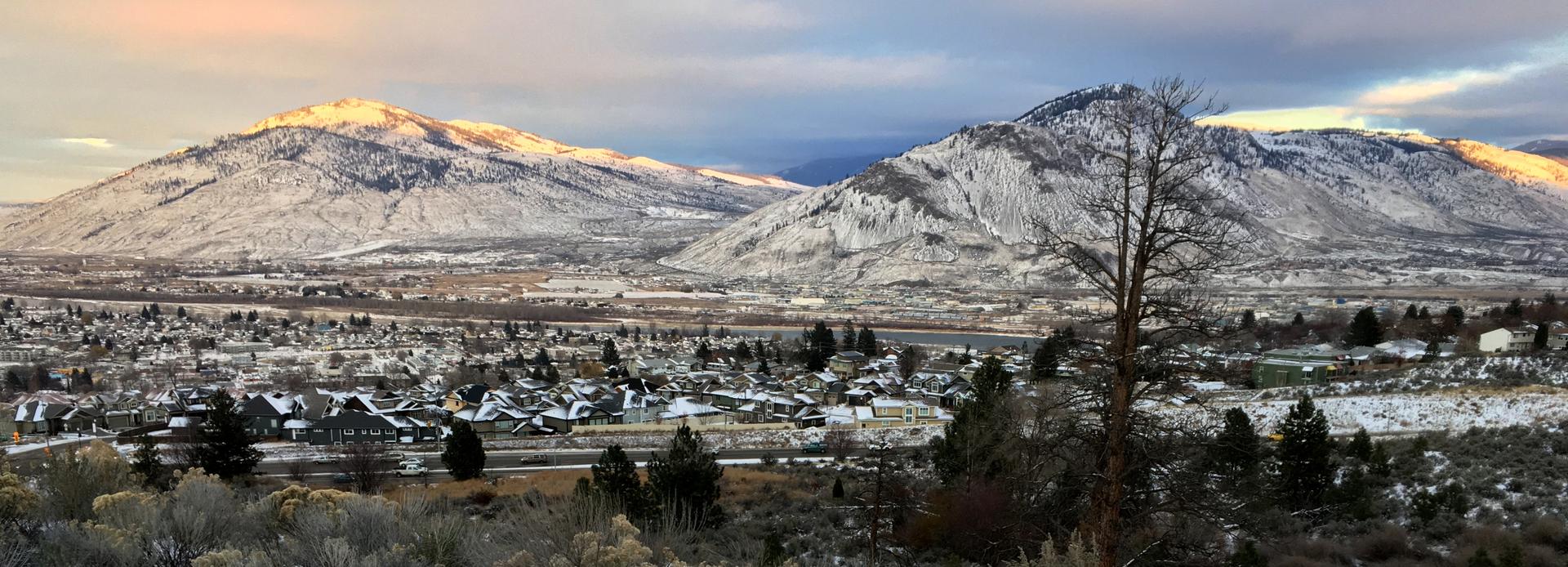
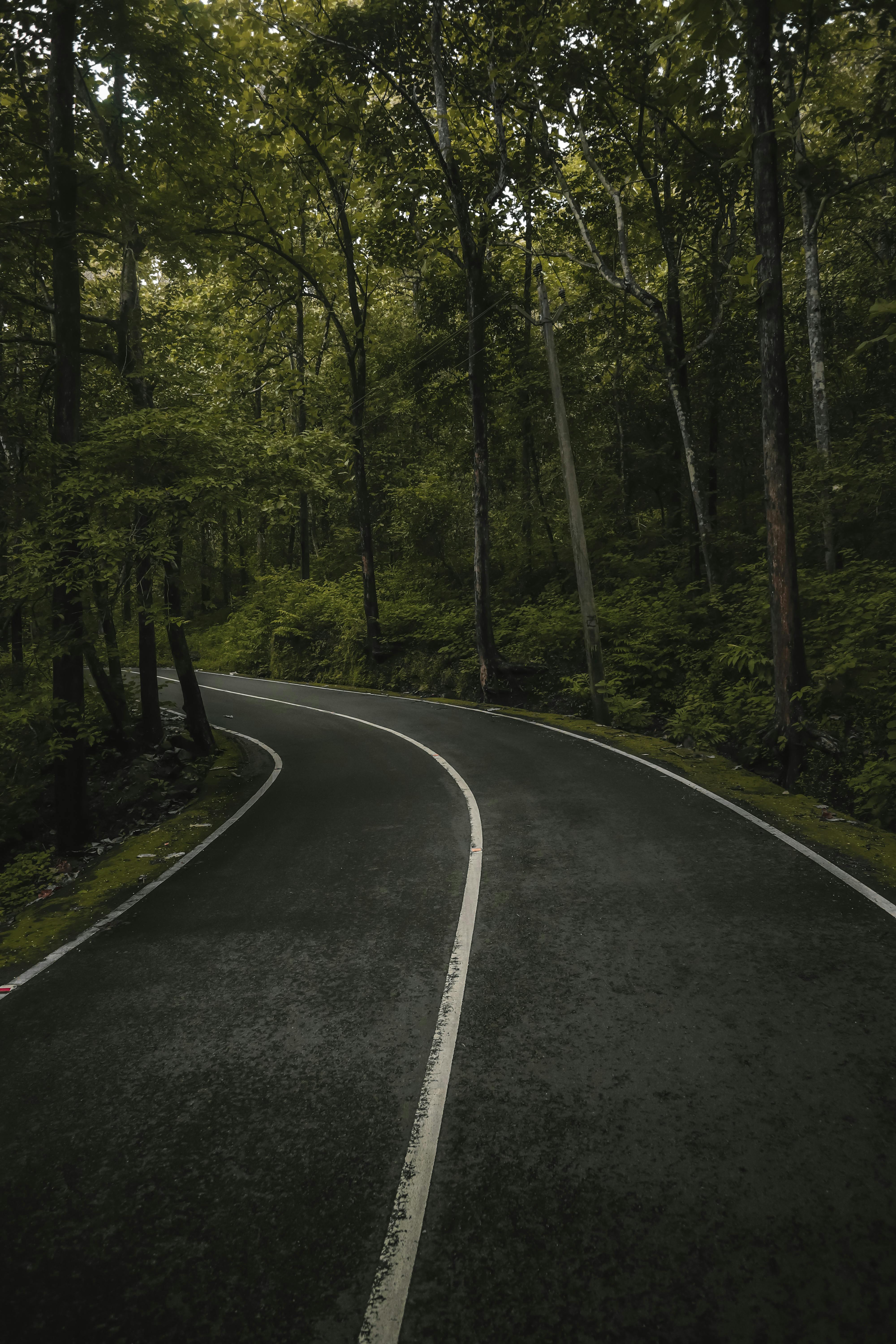
The slope of Schubert Drive runs west along the South Kamloops shoreline before it bends, late in its course, alongside Rivers Trail and the cold, fast water of the North Thompson. On Sunday evening, May 17, just after half past six, a small car came down that slope. Two young women were inside it. One of them, 24-year-old Benina Jepkoech, had been in Kamloops less than a year. She had come from Kenya to study and to work and to send money home to a five-year-old son in Eldoret, who knew her voice through a screen but had not yet been told what had happened to her car.
The car never came back up the slope. According to bystanders, witnesses, and rescuers from Kamloops Fire Rescue who arrived within minutes, the vehicle crossed Rivers Trail, slid off the road, and plunged into the North Thompson River, which is running unusually high this spring with snowmelt off the Cariboo Mountains. The 21-year-old passenger, identified by friends only as Nelly, was pulled from the water by people who had been walking nearby. Three of them — Cameron Granger among them — went into the river. Benina Jepkoech did not come out.
Search and Rescue called off the active search within days. The water, Kamloops Search and Rescue's Jeremy Frankel told local reporters, is too dangerous to send divers into right now. The river will be searched again, he said, but only when conditions allow — and no timetable has been given.
Who Benina Was
By the accounts of people who knew her, Benina Jepkoech was the kind of person a small Canadian city tends to gain quietly and lose loudly. She had arrived in British Columbia within the past year. She held two jobs: a full-time position at a downtown hotel and a second shift at a local Afrofusion restaurant, where the menu and the customers reminded her, however briefly each evening, of the home she had left. Friends describe her as humble, polite, and devoted to her son and to her parents and siblings in Kenya, who relied in part on what she could spare from two paycheques in Canadian dollars.
She was, in other words, doing what tens of thousands of young Kenyans in her generation are doing — trading the daylight of Eldoret for the long winters of a country whose currency goes further in a remittance app than in a Kamloops grocery store. Her trajectory was not unusual. Her ending should not have been.
The Five Seconds That Decided It
In the days since the crash, much of the conversation in Kamloops's small but visible Kenyan community has revolved around five seconds: the gap, near the foot of Schubert Drive, between a steering decision and a pedal decision.
Nelly, the survivor, has spoken publicly only in pieces. Her account, relayed through Kenyan and Canadian outlets, suggests that Benina saw an oncoming car as she merged onto the road and panicked. Kenya drives on the left. Canada drives on the right. For a new driver still rewiring instinct, an approaching vehicle can register, for half a heartbeat, as confirmation that one is on the correct side — when in fact, in Canada, it is the opposite. The wheels, Nelly remembered, turned right. Then the foot, instead of finding the brake, found the gas. Then the river.
It is a narrow theory, and the investigation may correct it. But it is one that the Kenyan diaspora across North America is already passing around in WhatsApp groups, with a wariness that long-time immigrants from left-driving countries — Kenya, the United Kingdom, Tanzania, India, South Africa — have lived with for years. Driving culture, when it changes around you, does not change all at once.
Why the River Will Not Give Her Back Yet
The North Thompson is one of the largest rivers in interior British Columbia. In late spring, its flow can multiply several times over as snow leaves the Cariboo Mountains and runs down through Clearwater, Barriere, and finally into Kamloops, where it meets the South Thompson and bends into the Fraser system. The peak this year arrived earlier than expected. By May 17, the river was already moving with the volume that recovery divers consider a hard no.
Kamloops Search and Rescue's decision to suspend the active search has placed the family in a particular kind of grief — the grief that cannot be sealed. They are waiting for a body and for an answer they cannot speed up. The Kenyan community in Kamloops, alongside Canadian neighbours, has begun to fill that gap with vigils, prayer, and small acts of attention.
A Son in Eldoret, A Vigil in Kamloops
Candles have been lit along the trail above the spot where the car went in. Mourners include the bystanders who tried to help: people who had been out for a walk in the late sun on Sunday and who, on Sunday-evening reflex, did the thing one is not supposed to do — they went in. Cameron Granger and two others entered the river. He has since met Nelly in person at one of the gatherings.
Across the Pacific, in Eldoret, Benina's parents and her young son are waiting on news. The family has asked, through community representatives in Canada, for help bringing her home when she is found. Repatriation, as Kenyan diaspora communities have learned again and again this year — in Seattle, in Birmingham, in Sydney — is rarely simple and rarely cheap.
What Kamloops Has Begun To Ask
The death of Benina Jepkoech is a Kamloops story before it is a Kenya story. It belongs to the small interior city where she worked her two jobs and to the river that runs through it. But the wider questions it raises are ones the Kenyan diaspora in Canada has been quietly asking for some time.
Tens of thousands of Kenyans now live in Canada, a community that has grown sharply over the last decade as Express Entry, the Canadian Experience Class, and provincial nominee programs have widened the door. Many arrive with a Kenyan driving licence, an International Driving Permit, and a fresh provincial learner's permit, and they teach themselves to drive on the right in the only way most people learn — by doing it, in traffic, with friends or strangers as passengers. There is, in most Canadian provinces, no required orientation that names the side-of-the-road shift as the cognitive hazard it can be. Driving instructors in immigrant-heavy cities have for years called for better intake. The system has been slow to listen.
It is too early to know whether anything formal will come from Benina Jepkoech's death — a posted sign at the bottom of Schubert Drive, a new line in a newcomer driving guide, a community-led refresher run out of the Afrofusion restaurant where she worked her evenings. But it is not too early to notice that her name is now being said, on two continents, by people who never met her. The river, for now, holds the rest.